table of contents
Security architects face burnout at record levels. Recent data shows only 34% of cybersecurity professionals plan to stay in their roles, according to the 2026 Cybersecurity Talent Report from IANS Research. Talent shortages hit 63% of firms, and architects bear the brunt because they design defenses against AI threats and sprawling cloud setups.
You know the pressure. Cross-functional demands pull architects in every direction while headhunters call weekly. Retaining them means addressing real pain points like stalled careers and overload.
These strategies focus on what works now. They draw from 2026 trends to help CISOs and leaders keep top talent.
Unique Challenges Facing Security Architects
Security architects juggle more than ever. Cloud migrations expose gaps in 52% of teams. AI tools speed up ops but demand constant tuning. Add geopolitical risks, and workloads spike.
Threats connect physical and cyber realms. A hacked IoT device can breach core systems. Architects must map these links, or risks cascade.
Staff shortages worsen it. Global gaps reach 4.8 million pros. Firms automate Tier-1 tasks, so architects handle design plus oversight.

Burnout drives exits. 45% cite stress; 47% lack growth paths. Security Today reports retention plummets as threats rise with flat resources. Pros get offers often, with 59% recruited away.
You can counter this. Start with clear priorities. Assign mentors for AI-cloud integration. This cuts overload by 20-30% in pilot programs.
Expect pushback from devs or execs. Use joint workshops to align on risks. Architects then focus on high-impact architecture, not firefighting.
Career Growth Paths
Architects want visible progress. 65% leave without clear paths. Dual tracks help: technical depth or leadership.
Build expert ladders. Certs like CCSP or CISSP-ISSAP mark steps. Tie them to bonuses every 8-12 months, as CSO Online suggests for locking in talent.
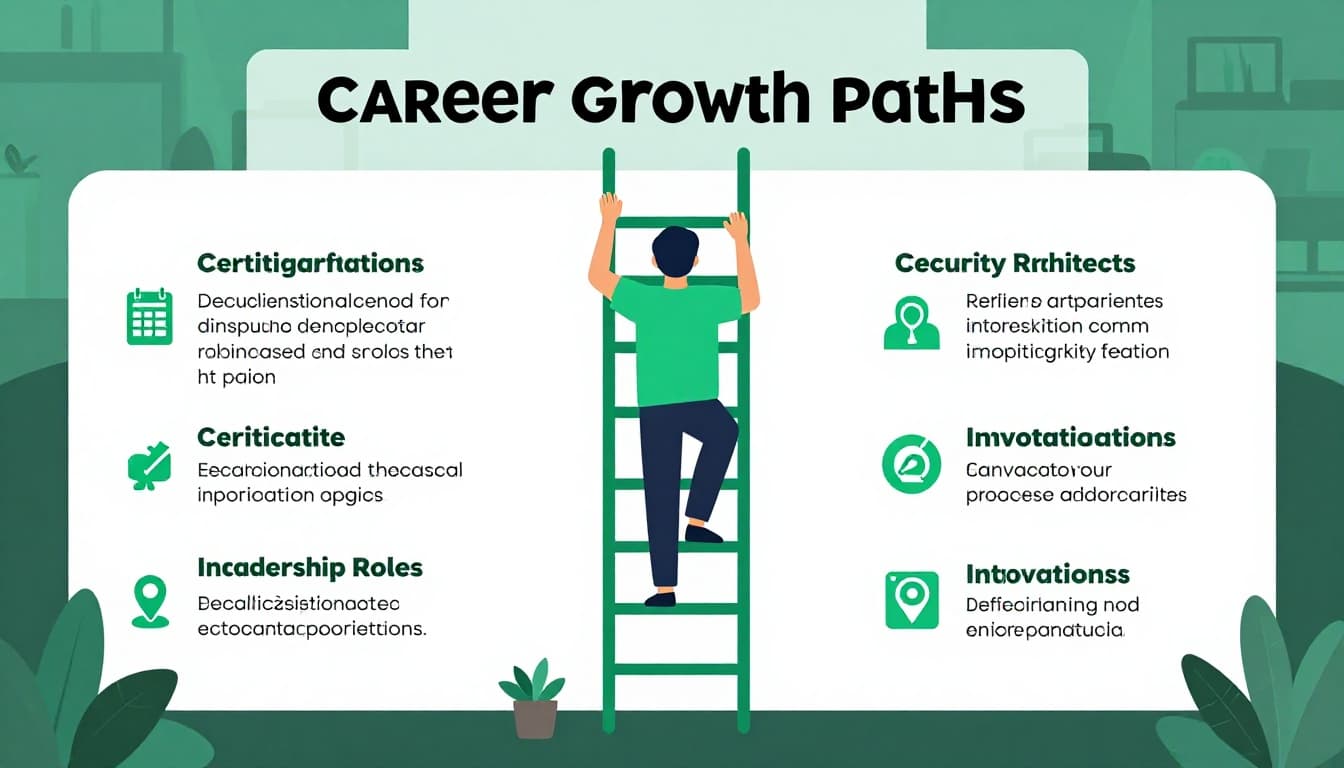
Offer rotations. Let architects lead zero-trust rollouts or AI governance projects. This builds skills in cloud security, a top gap.
Shadow execs for business acumen. Many firms pair them with CISOs quarterly. Results show 25% higher retention.
Track via IDPs. Quarterly reviews set milestones. Hit them? Promote or bonus. Miss? Adjust support.
Incentivize innovation. Fund hackathons where architects prototype defenses. Winners get budgets and credit.
This framework adapts easily. Scale for your team size. Leaders who map paths turn passive stays into commitments, per Security Magazine insights.
Supportive Work Environment
Isolation kills morale. Architects need cross-team ties. Devs push fast deploys; execs demand compliance. Bridge gaps with rituals.
Host biweekly syncs. Architects present designs to ops and product leads. Use models to show trade-offs.

Hybrid models boost satisfaction. One to two office days max correlates with loyalty. Flexible hours fit threat hunts.
Mentorship pairs juniors with architects. This eases loads and builds succession.
Culture matters. Celebrate wins like blocked breaches. Share stories in all-hands.
Address burnout head-on. Mandate unplug time. Tools like AI agents handle alerts off-hours.
Check-ins reveal issues early. Ask about workload and aspirations. Act fast.
Firms with strong cultures retain 40% more. You build it through actions, not perks.
Compensation and Incentives
Pay competes hard. Mid-career architects earn $168K-$215K. Premiums hit 45% over analysts.
Base it on benchmarks. Use reports for equity. Annual adjustments beat market drift.
Bonuses tie to outcomes. 10% for milestones like cloud migrations. Vesting keeps them.
Equity or profit shares align long-term. Architects see their designs’ impact.
Perks fit 2026 life. Cloud cert stipends. Home-office upgrades for multi-screen setups.
Stack with non-cash. Unlimited PTO if KPIs hit. Four-day weeks in some firms cut turnover 15%.
Tailor packages. Survey your team yearly. Adjust for AI skills premiums.
Financial motivation works, but pair with growth. This combo retains 50% more pros.
Measure Retention Efforts
Data guides fixes. Track key metrics quarterly.
| Metric | Target | Why It Matters |
|---|---|---|
| Turnover Rate | Under 10% | Spots exit risks early |
| Engagement Score | 80%+ | Gauges satisfaction |
| Promotion Rate | 20% yearly | Shows growth paths |
| NPS for Architects | 50+ | Measures advocacy |
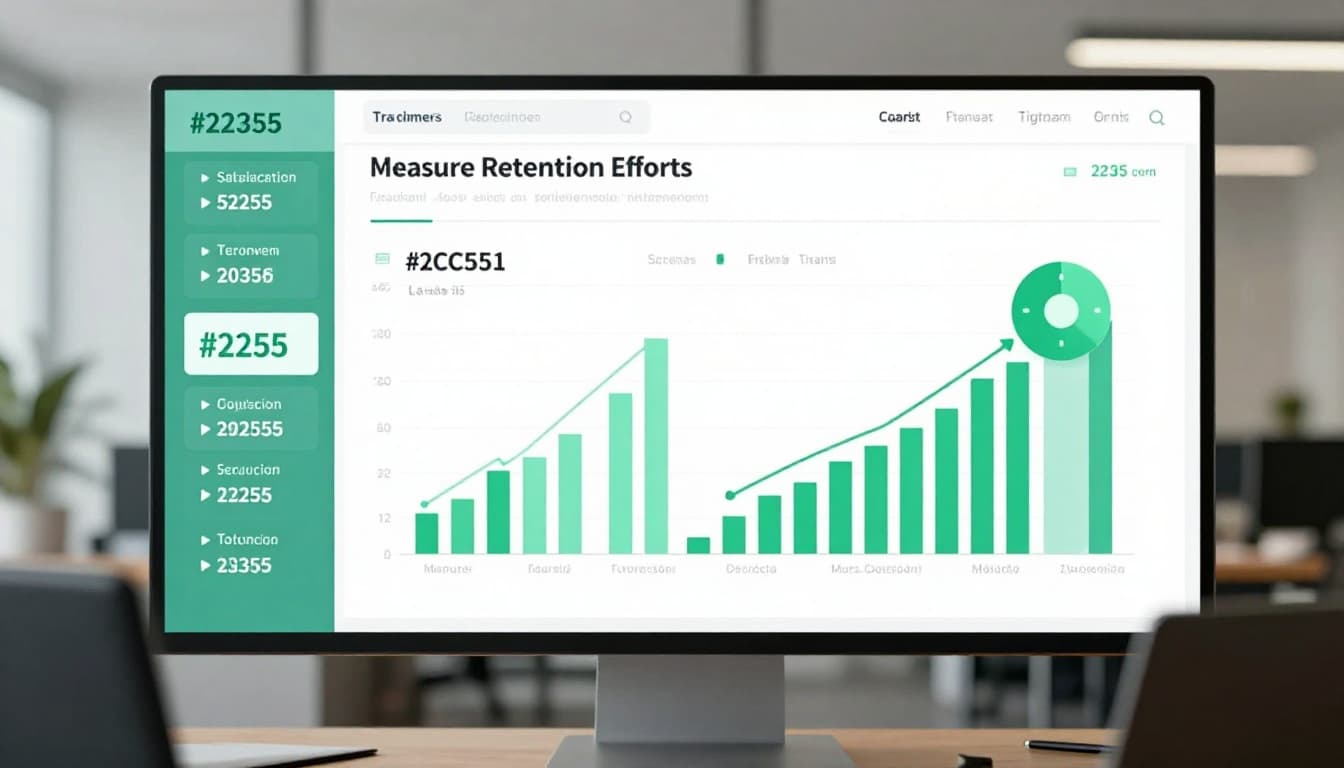
Use tools like Workday or Culture Amp. Correlate with threats handled or projects shipped.
Exit interviews feed loops. Common themes? Act in 30 days.
Benchmark externally. 60% struggle with retention; aim higher.
Annual pulse surveys predict churn. Low scores trigger IDPs.
Refine yearly. What drops turnover? Double down.
Key Takeaways
Security architect retention hinges on growth, support, and metrics in 2026. Address cloud-AI pressures with paths and teams. Data shows hybrid work and milestones keep 66% more talent.
Start small. Pick two strategies: career maps and check-ins. Scale what sticks.
Leaders who adapt win the talent war. Book a Discovery Call with Bud Consulting to benchmark your team.
Your architects drive resilience. Keep them, and your defenses hold.