table of contents
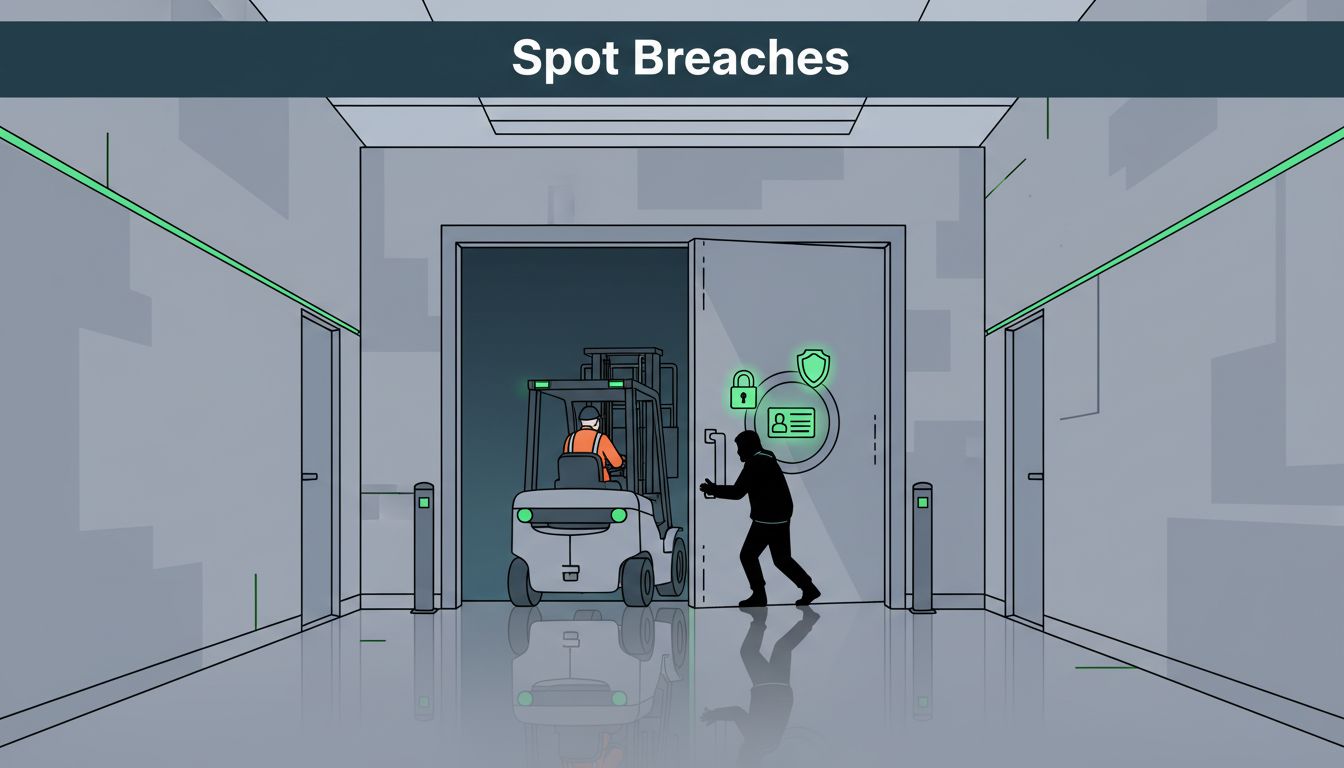
A single tailgater slips into your warehouse behind a busy forklift driver. Seconds later, they tamper with equipment. Your operations grind to a halt.
These physical security breaches happen more often than you think. They cost time, money, and trust. Operations managers face this risk daily in warehouses, factories, and offices.
You can change that. Train your teams to recognize threats fast. This guide shows how with clear steps and real examples.
Spot Everyday Physical Security Breaches
Operations teams see breaches first. They work the front lines in busy sites. Start training by naming common risks.
Tailgating tops the list. Someone follows an authorized worker through a door. They carry a box or clipboard to blend in. In a warehouse, this lets outsiders reach high-value stock.
Badge misuse comes next. Employees share credentials or prop doors open. A lost ID card lets anyone scan in. Factories report these slips often because shifts change fast.
Forced entry shows force. Cut fences or smashed locks signal trouble. Watch for it near loading docks. Tampering with equipment, like loose panels on machines, follows close behind.
Unauthorized visitors wander in during deliveries. They ask for directions, then poke around restricted areas. Suspicious packages left near entrances raise red flags too.
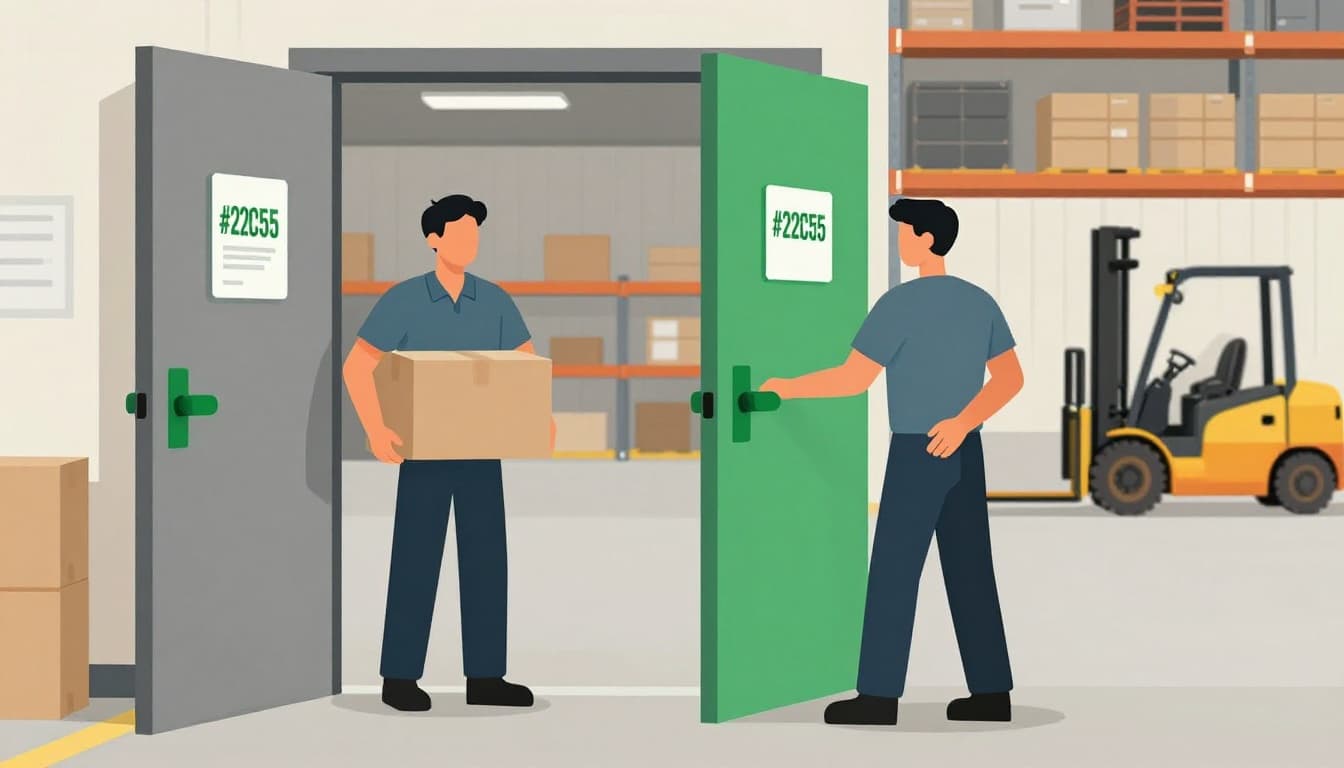
Picture this in your site. One worker holds the door; a stranger ducks behind. Shelves tower nearby. Forklifts hum. Small oversights lead here.
For real cases, check this substation access control lapse at an AEP site. Protocols failed, and risks grew. Your team needs eyes on these patterns.
Teach them with quick daily huddles. Point out one breach per shift. Ask, “What would you do?” This builds habits without long lectures.
Use Real Incidents to Drive Home Risks
Stories stick better than rules. Share workplace examples during training. They show why vigilance matters.
Consider a sales office theft. Three laptops vanished because doors stayed unlocked. Staff left for a meeting. A thief walked in and out. The company lost data worth far more than the hardware. See details in this Purdue case study on physical security.
Warehouses face yard breaches too. In London, travelers cut through fences at night. They accessed hazardous goods. Response teams evicted them safely, then added patrols. Read the full warehouse security breach case.
Power plants suffer from contractor slips. A cloned keycard let sabotage hit a control room. Cooling failed; turbines shut down. Hospitals switched to backups. This NorthGrid use case highlights credential risks.
Copper theft hit a California school hard. Thieves cut wiring; classes canceled for days. Businesses nearby boosted locks and cameras. Learn from it via this Northern California theft lessons post.
Pull these into sessions. Print summaries. Discuss outcomes. Teams connect dots to your site. For example, “Our loading dock mirrors that warehouse yard. How do we lock it down?”
Repeat monthly. Rotate cases. This keeps awareness fresh. Operations staff recall breaches when they matter most.
Train Teams to Recognize Threats Fast
Recognition saves time. Equip your people with simple cues. They spot issues before escalation.
Start with body language. Strangers avoid eye contact or rush. They hug walls in open areas. Point this out in offices or factory floors.
Check credentials always. Ask for badges at checkpoints. In logistics sites, verify visitors against logs. Don’t assume.
Suspicious packages have tells. No labels. Odd shapes. Left in high-traffic spots. Train staff to note locations and times.
Tampering leaves marks. Scratches on locks. Fresh wires on panels. Equipment moved oddly. Walkthroughs reveal these.
Use role-play in training. Pair buddies. One acts suspicious; the other challenges politely. “Excuse me, do you have access here?” Practice tones. Keep it firm but calm.
Post signs sparingly. They remind without clutter. “Verify badges. Report tails.” Place near doors.
Test with audits. Security walks unannounced. Note propped doors or shared badges. Share results weekly. Praise quick spots.
This method works because it fits shifts. Short, hands-on. Teams gain confidence fast.
Practice Response with Realistic Drills
Knowledge fades without practice. Run drills to build muscle memory. Make them routine, not rare.
Pick scenarios weekly. Tailgating at warehouse doors. Suspicious bag in manufacturing aisles. Lost badge in offices.
Gather small groups. Five to ten people max. Assign roles: spotter, reporter, responder. Time it under two minutes.
For packages, kneel at distance. Don’t touch. Call it in. Yell “Security breach!” if needed.
Debrief right after. What went well? What slowed you? Adjust next time.
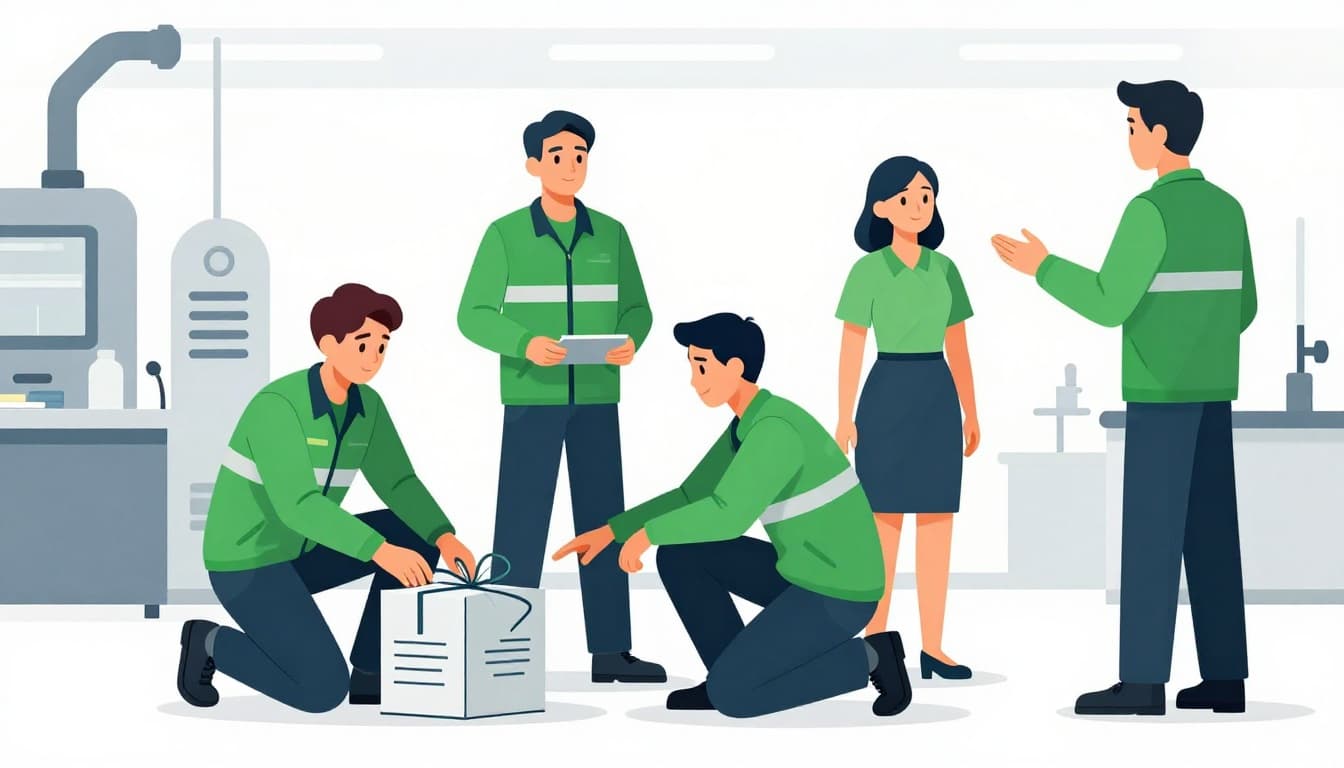
Teams drill a package response here. One kneels safe. Others signal the lead. Machinery looms. Vests glow ready.
Scale for sites. Warehouses use forklifts in plays. Factories add noise. Offices simulate visitors.
Track progress. Log drill times. Aim for faster reports. Reward top crews with shoutouts.
Drills prevent panic. Staff know steps cold. Breaches become quick fixes, not crises.
Streamline Incident Reporting and Follow-Up
Reports close the loop. Make them easy. Teams report without hassle.
Use one form. Digital apps work best. Note time, place, description. Snap photos.
Train on details. “Stranger, 6 feet, black jacket, tailed me at Dock 3, 2:15 PM.” Skip guesses.
Route to security and ops leads. Review in 24 hours. Share lessons site-wide.
Follow up fast. Fix propped doors. Retrain sharers. Praise reporters.

A manager checks a report. Team nods. Charts map the breach. Break room keeps it casual.
Audit monthly. Spot patterns like repeat tailgating. Upgrade doors or cameras.
This builds trust. Staff report more. Breaches drop because gaps close.
Key Takeaways for Stronger Teams
Physical security breaches hit operations hard, but training turns risks into routines. Focus on common slips like tailgating and badge shares. Use real cases, drills, and simple reports.
Your teams spot threats faster now. Sites stay secure.
Book a Discovery Call with Bud Consulting to tailor programs for your operations. Start closing those gaps today.