table of contents
APIs power most apps today. Yet breaches hit hard. Navia lost data on 2.7 million people in early 2026 because an exposed API lacked protection. You face the same risks if security slips during design or deployment.
Teams build APIs fast. Pressure mounts to ship features. But skip secure API lifecycle steps, and attackers exploit weak spots like broken authentication, which caused 23.5% of breaches last year. These checklists fix that.
Follow them stage by stage. They draw from 2026 trends like OAuth 2.1 mandates and AI-driven attacks. You’ll cut risks and meet compliance needs.
Map Out the Secure API Lifecycle Stages
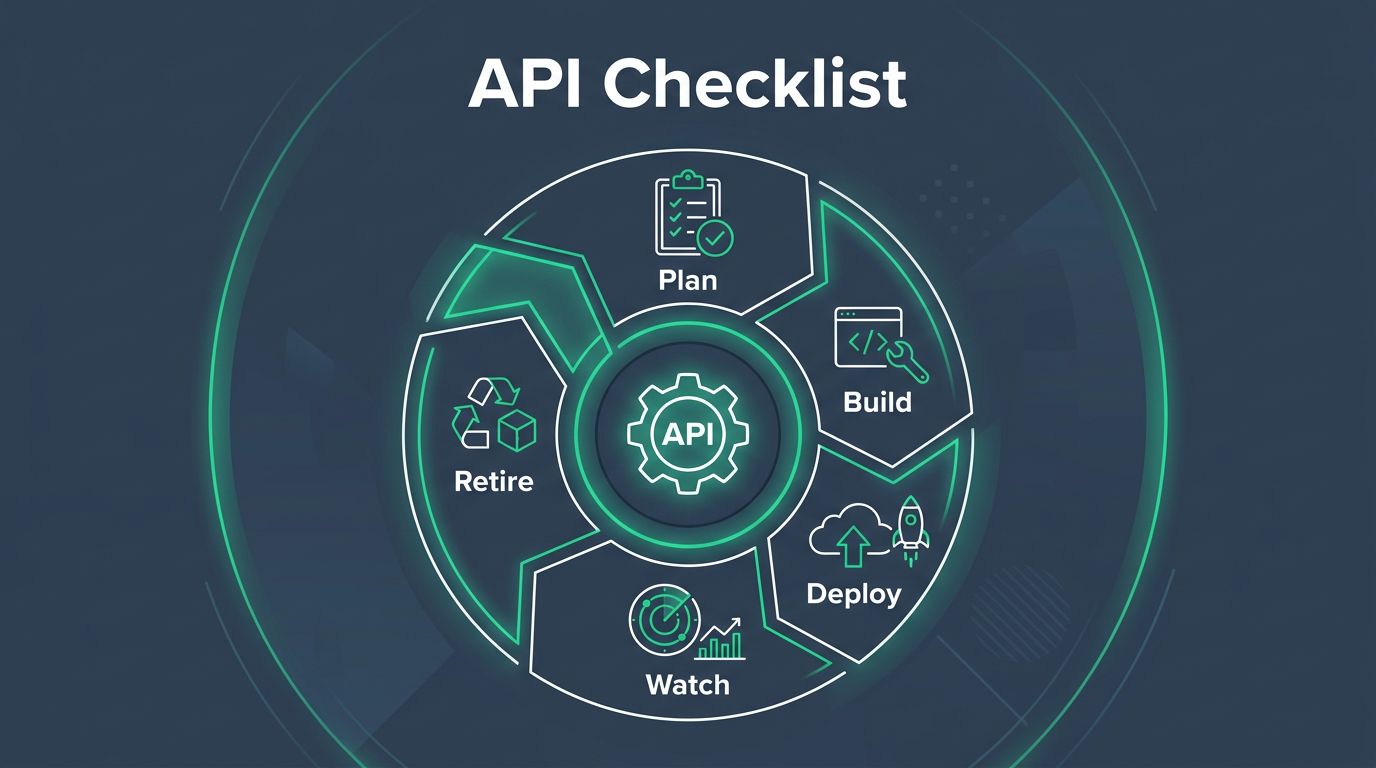
APIs go through clear phases: plan, build, deploy, watch, and retire. Each needs security baked in. Miss one, and vulnerabilities pile up.
Start with a full view. Picture a cycle where planning feeds development, deployment enables monitoring, and decommissioning closes the loop safely.
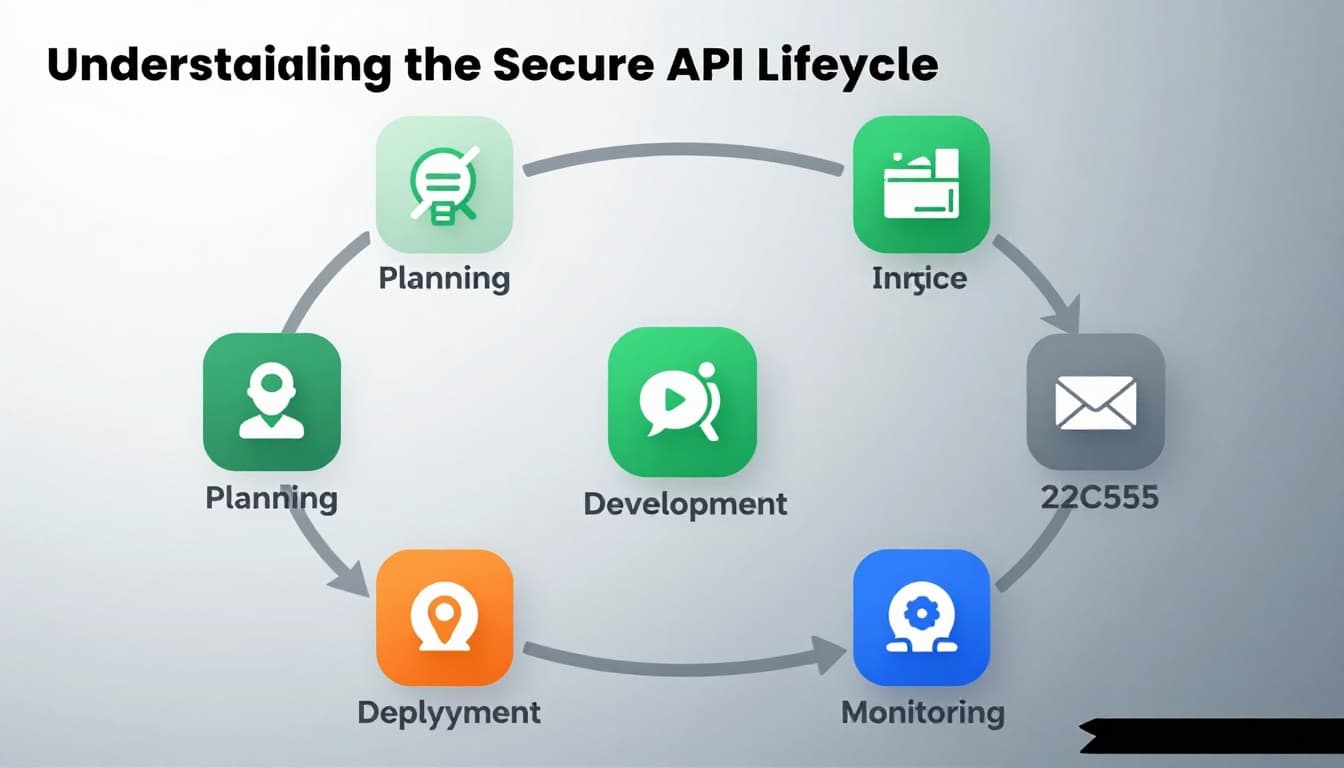
This flow keeps security consistent. For example, early threat modeling spots issues before code commits. Tools like API gateways centralize controls across stages.
Key metrics track progress. Aim for 100% coverage on automated scans per phase. Breaches drop when teams measure mean time to detect anomalies under 15 minutes.
In 2026, zero trust rules every step. Verify every request, no exceptions. Also generate software bills of materials (SBOMs) for supply chain checks.
Planning and Design Checklist
Design sets the foundation. Get it wrong, and fixes cost more later. Focus on threats upfront.
Run threat modeling sessions. List endpoints, data flows, and attack vectors like injection or excess data exposure. Prioritize based on impact.
Define auth from day one. Use OAuth 2.1 now. It mandates PKCE for all clients and drops risky flows like implicit grants. Exact redirect URI matches block phishing.
Document with OpenAPI specs. Include securitySchemes, scopes, and schemas. This enforces governance.
Here’s your checklist:
- Model threats for each endpoint.
- Specify OAuth 2.1 with PKCE and scopes.
- Write OpenAPI spec with schema validation rules.
- Apply least privilege: RBAC or ABAC per role.
- Plan rate limits and bot protection quotas.
- Review for compliance: GDPR data minimization.
Why these matter? BOLA caused 12.5% of breaches. Strong designs prevent IDOR flaws.
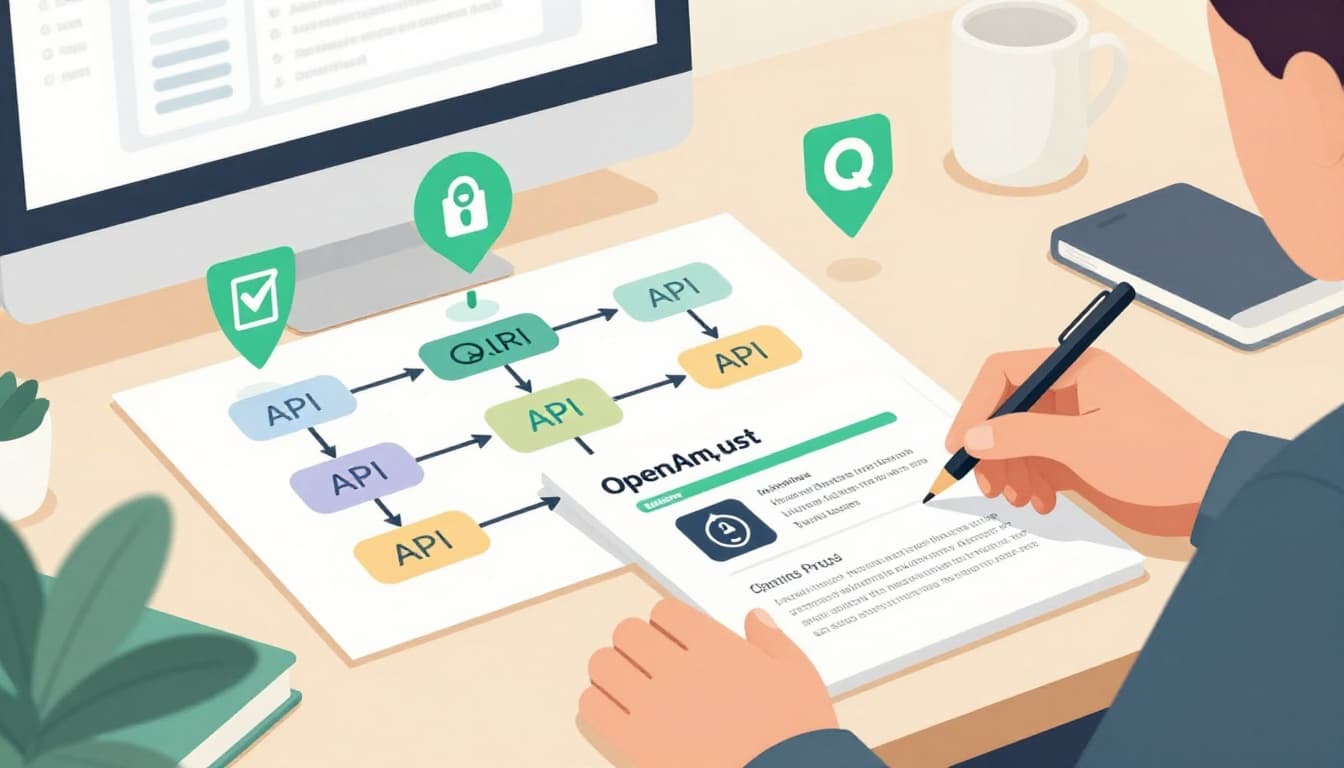
Teams that lint specs early catch 80% more issues. Use tools like Spectral for OpenAPI validation. Set policies: no wildcard redirects, rotate refresh tokens.
Test designs with peer reviews. Simulate abuse cases. Track metric: zero high-risk findings before dev starts.
Development and Testing Checklist
Code time arrives. Integrate security without slowing teams. Automate checks in CI/CD.
Enforce secure coding. Follow OWASP API Top 10. Avoid mass assignment by validating inputs strictly.
Scan dependencies. Generate SBOMs and check for vulns. GitHub exports them in SPDX format.
Run schema validation on every build. Reject payloads that don’t match OpenAPI defs.
Your checklist:
- Integrate SAST/DAST scans in pipelines.
- Validate schemas for requests and responses.
- Test OAuth 2.1 flows: PKCE, token binding.
- Fuzz inputs for injection and overposting.
- Mock rate limits and monitor for abuse patterns.
- Secrets scan: no hardcodes, use vaults like HashiCorp.
Broken auth leads breaches. Test negative cases: invalid tokens, expired scopes.
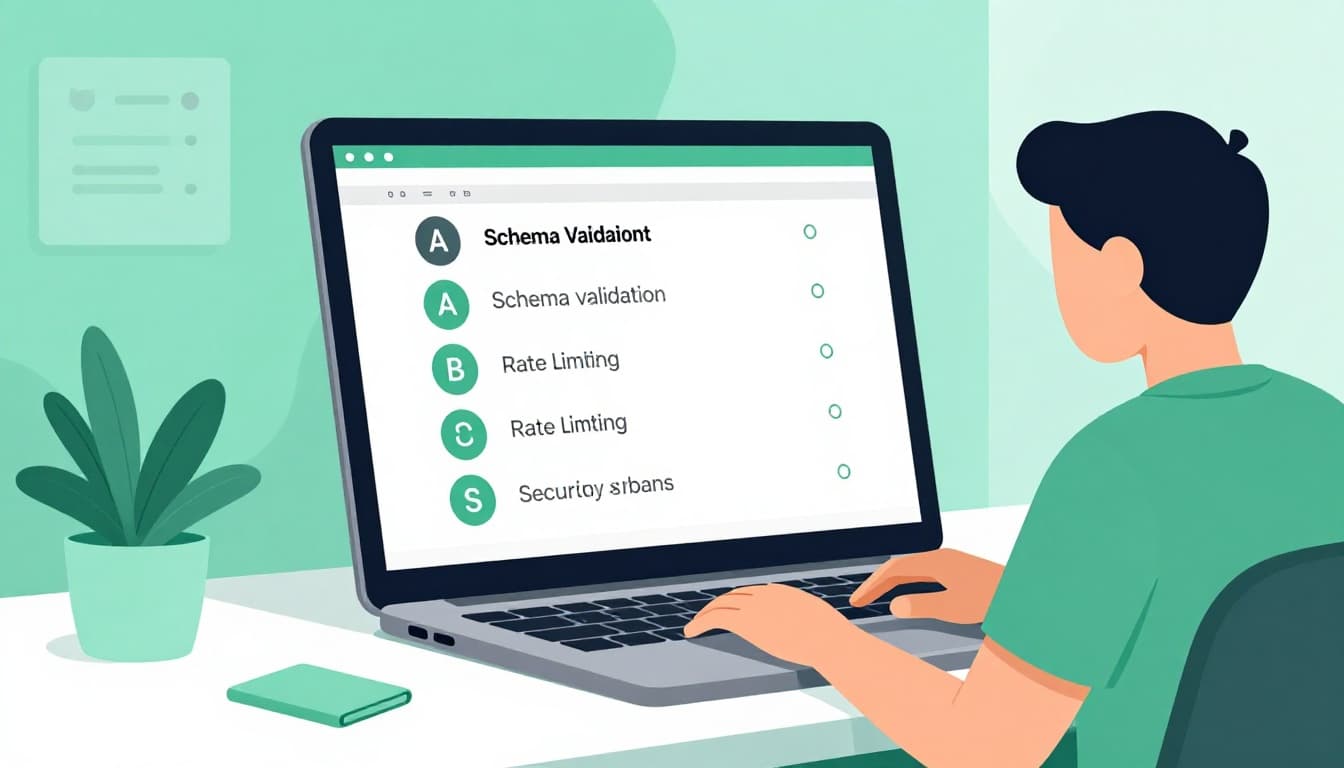
Metrics help. Aim for 95% test coverage on security cases. Fix rates over 90% before merge.
For GraphQL, add depth limits and cost analysis. Protect against denial-of-service.
Deployment Checklist
Launch securely. Use gateways as the single entry point. They handle cross-cutting concerns.
Configure zero trust. Mutual TLS (mTLS) verifies clients and servers.
Set runtime policies. Enforce rate limits per key or IP. Block bots with behavioral analysis.
Checklist items:
- Deploy behind API gateway: auth, throttling, logging.
- Enable WAF rules for OWASP Top 10.
- Validate schemas at edge.
- Rotate certs and tokens on schedule.
- Discovery: inventory all endpoints, no shadows.
- SBOM attestations for production images.
Intel’s breach showed one weak endpoint exposes all. Gateways centralize fixes.
Track deployment success. Zero unpatched vulns post-launch. Uptime over 99.9% with auto-scaling.
For multi-cloud, use GitOps for consistent configs. Compliance audit trails prove controls.
Monitoring and Maintenance Checklist
Production runs live threats. Watch constantly. Anomalies signal attacks.
Log everything: requests, errors, tokens. Centralize in tools like ELK.
Alert on drifts. Schema changes or unusual volumes trigger reviews.
Checklist:
- Set runtime monitoring: latency, error rates, traffic spikes.
- Detect anomalies: AI for bot patterns, abuse.
- Audit logs for compliance: retain 90 days.
- Patch dependencies via SBOM alerts.
- Review metrics weekly: MTTR under 30 minutes.
- Rotate secrets quarterly.
AI attacks rose 398% in 2025. Monitor MCP endpoints closely.
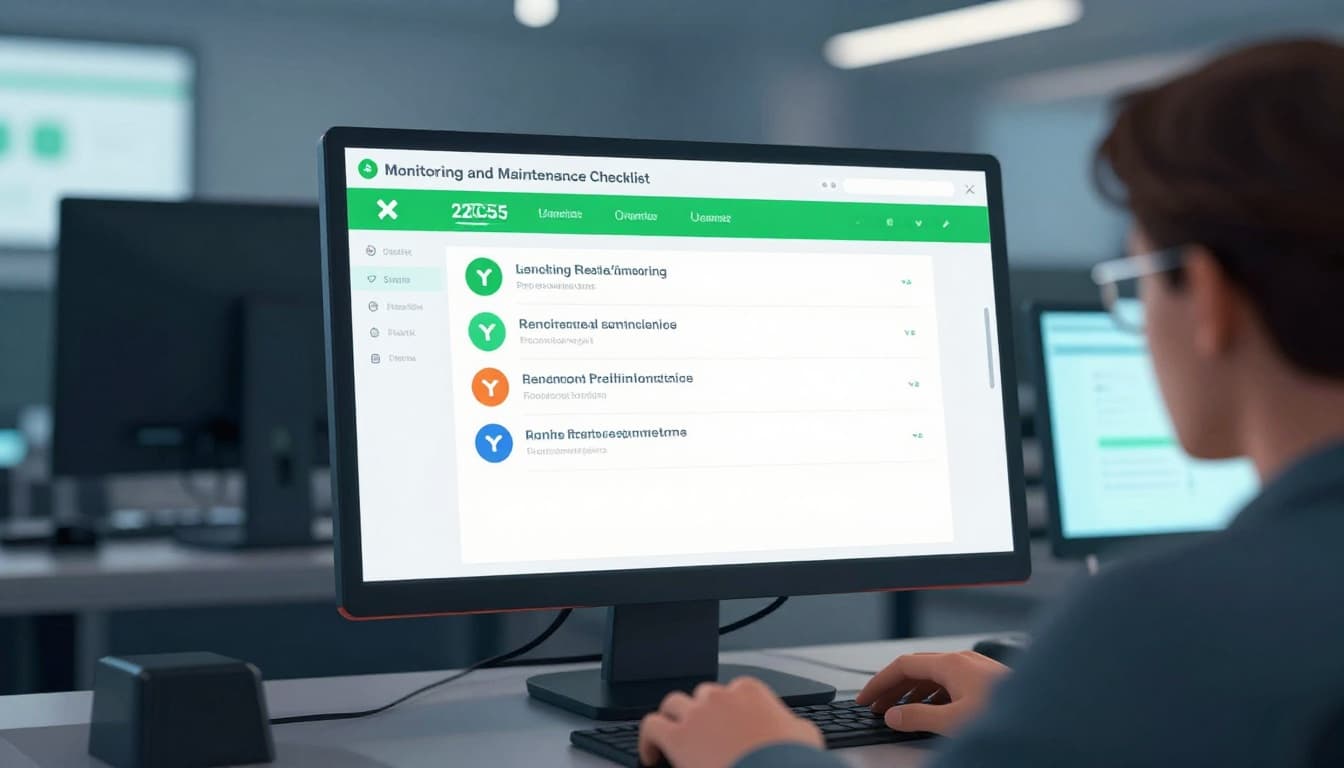
Dashboards show value. Reduce breach impact by 50% with fast detection. Integrate with SIEM for correlation.
Decommissioning Checklist
Retire old APIs cleanly. Lingering ones create zombie risks.
Notify consumers 90 days ahead. Deprecate gradually.
Wipe data securely. Revoke all tokens and keys.
Your final checklist:
- Announce sunset timeline.
- Migrate traffic to new versions.
- Revoke auth: scopes, certs, secrets.
- Archive logs for compliance.
- Remove from discovery inventories.
- Verify no calls post-deadline.
Forgotten APIs fuel shadow attacks. Full cleanup prevents that.
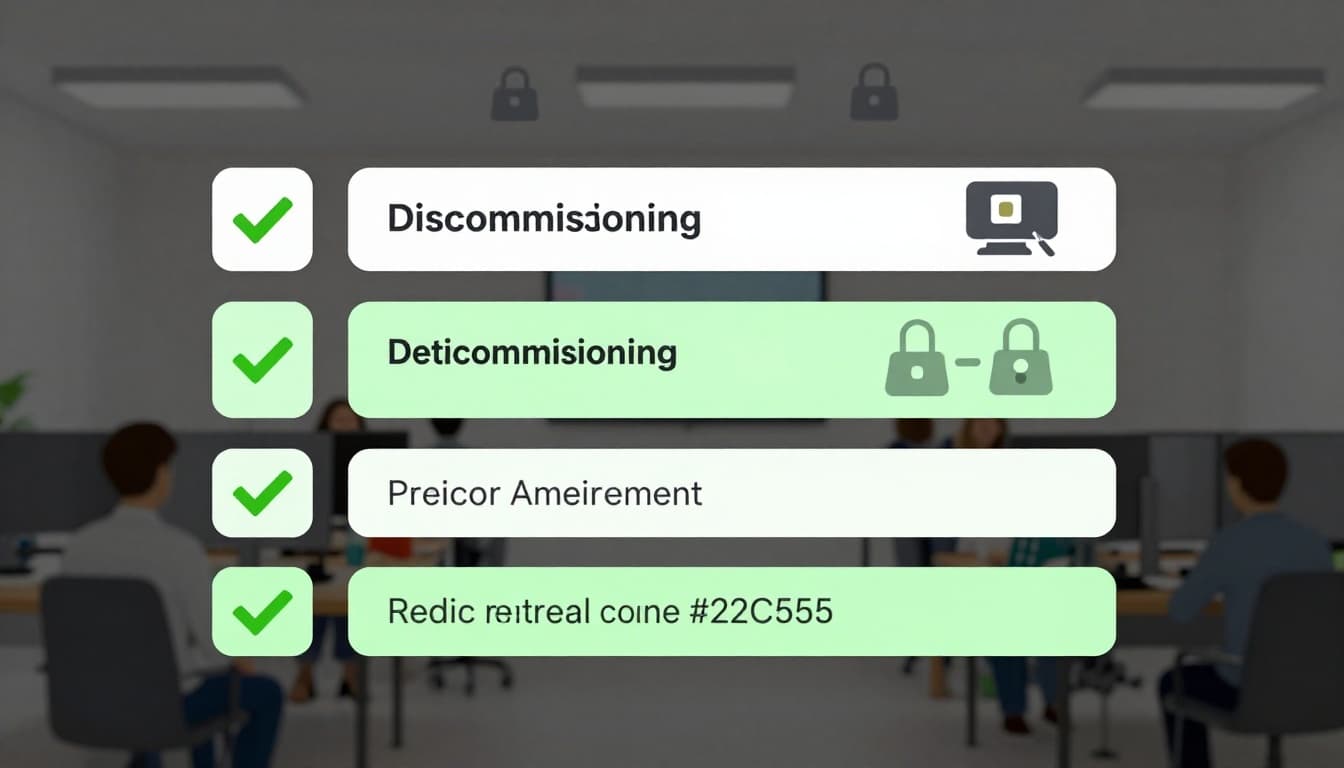
Audit post-retirement. Zero residual access confirms success.
Key Takeaways for Secure API Lifecycles
Secure API lifecycle management boils down to checklists at every stage. From OAuth 2.1 in design to anomaly detection in production, consistency wins.
Breaches like Navia’s remind you: exposed endpoints cost millions. These steps block 90% of common flaws.
Your team gains speed and safety. Metrics prove it: lower MTTR, full compliance.
Need help implementing? Book a Discovery Call with Bud Consulting to close skills gaps in DevSecOps.
Start today. Run one checklist this week.