table of contents
You run a SOC. Your analysts sift through thousands of alerts daily. One leaves, and you lose months of threat-hunting know-how. In 2026, blue team retention tops the list for CISOs because turnover hits hard.
Burnout drives most exits. A Tines survey shared by Dark Reading found 71% of SOC analysts feel burned out. Another 65% plan to switch jobs soon. AI tools ease some loads, but hybrid work demands and fierce hiring wars make keeping talent tougher.
This post covers incentives tied to blue team realities. You will find actionable steps on pay, schedules, growth, and more. Let’s start with why retention demands action now.
Why Blue Team Retention Is Critical in 2026
High alert volumes crush morale. Teams handle 4,400+ alerts per day on average, per recent reports. False positives eat 95% of time. Analysts burn out fast.

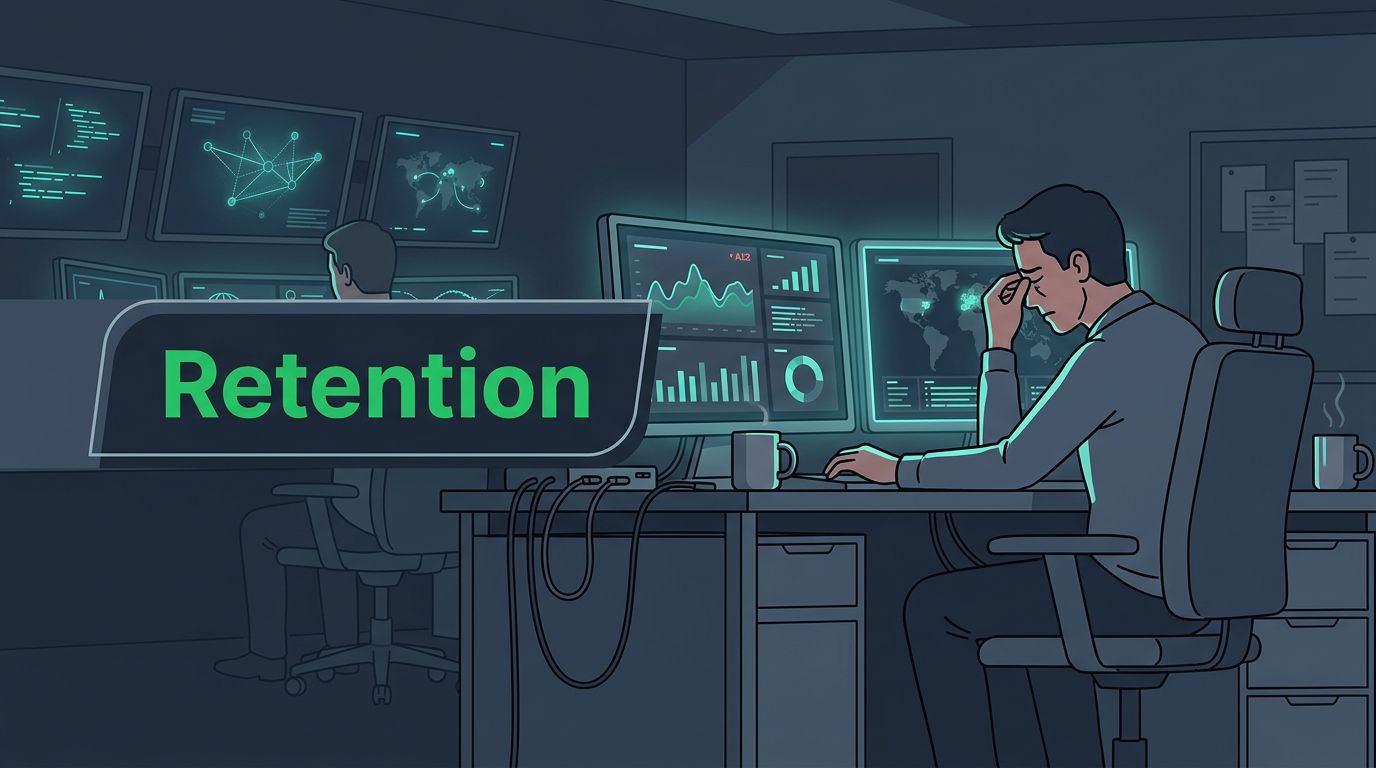
Picture your night shift: tired eyes on screens, coffee mugs everywhere. One analyst rubs their temples while a teammate flags an alert. This scene plays out nightly. It costs big when they quit. Replacing a detection engineer takes six months and $100,000-plus in recruiting and ramp-up.
Institutional knowledge vanishes too. Seasoned operators spot subtle threats AI misses. The 2026 Cybersecurity Talent Report from IANS Research shows attrition risks tie to satisfaction gaps. Firms lose edge without them.
AI shifts workflows. Tools automate triage, so operators focus on hunts. Yet, without retention plans, you face understaffed teams. Budgets tighten, but smart incentives pay off. Retention cuts hiring needs by 30%. It builds resilient SOCs.
Hybrid expectations rule. Most want flex schedules. Competitive markets offer 20% pay bumps elsewhere. Act now, or watch talent walk.
Fix Burnout with On-Call Pay and Schedule Tweaks
Alert fatigue kills drive. Analysts face 174 alerts daily; only 22% matter. On-call duties disrupt sleep. Pay them fairly for it.
Set on-call stipends at $5,000-$10,000 yearly. Base it on shifts and pager volume. Rotate duties weekly. This cuts resentment.
Redesign schedules. Use 4-day weeks or 12-hour shifts with long breaks. Pair with AI for alert reduction. One firm dropped false positives 40%, freeing analysts.
Mental health ties in. Offer quiet rooms or app-based therapy. Track burnout via pulse surveys. Adjust loads when scores dip.
Results show up fast. Teams with fair on-call pay see 25% less turnover. Analysts stay because they feel valued. Schedules match life demands.
Test small. Pilot in one shift. Measure engagement pre- and post-change. Scale what works. You keep operators fresh and focused.
Drive Loyalty Using Bonuses and Promotion Tracks
Base pay competes, but bonuses seal deals. Tie them to metrics like incidents resolved or detections made.
Offer performance bonuses of 10-20% salary. Payout quarterly. Link to team goals too, like MTTR under 30 minutes. This motivates without burnout push.
Build clear promotion ladders. Junior analyst to lead in 18 months. Define skills: GIAC certs, hunt contributions. Meet monthly for progress chats.
Benchmarks help. The ISC2 2025 Workforce Study lists flex work and training as top motivators. Match market rates; mid-level SOC roles hit $140,000 median.
Equity shares work for startups. Vesting ties to tenure. One SOC cut exits 15% with vested stock.
Track ROI. Bonuses cost less than rehiring. Promotions retain knowledge. Analysts climb internally, not jump ship.
Invest in Skill Development Budgets
Operators crave growth. Stagnation prompts leaves. Give $3,000-$5,000 yearly per head for certs, courses, conferences.
Fund GIAC, CISSP, or AI-security tracks. AI changes hunts; train on tools like ML triage. Reimburse 100% post-pass.

Remote learning fits hybrid life. An analyst at home, notebook open, dives into a course. Laptop glows; focus sharp. This setup boosts skills without office drag.
Partner with platforms. SANS or ISC2 bundles save cash. Track usage; tie to raises.
The ISC2 insights on resilient teams stress upskilling for AI readiness. Firms see 20% retention gains.
Mentor juniors. Pair with seniors for hunts. Budget covers tools too, like home labs.
Growth keeps teams sharp. Analysts stay for paths forward.
Run Rotation Programs for Role Variety
Monotony breeds boredom. Rotate analysts across triage, hunting, response. Every quarter, swap.
This builds versatility. Triage pros learn hunts; hunters grasp ops. A Built In article on blue teams backs rotations for engagement.
Start simple. Four roles: monitoring, enrichment, IR, tuning. Two-week stints. Debrief after.
Benefits stack. Knowledge spreads; no single-point failures. Operators gain broad skills for promotions.
Address gaps. Track via skills matrices. Rotate to weak spots.
Turnover drops 18% in rotating SOCs. Excitement rises; institutional depth grows.
Scale with AI. Automate basics so rotations focus on high-value work.
Bolster Support with Mental Health and Hybrid Options
Stress peaks in crises. Offer EAPs with counselors versed in SOC strains. Subsidize gym apps or therapy.
Hybrid rules 2026. Mandate three office days max. Equip home setups: monitors, VPNs.
Quiet policies help. No-meeting Fridays for deep work. Vacation mandates: use it or lose it.
Combine with flex hours. Start late after on-call. Surveys show 64% stay for work-life fit.
Costs low; impact high. Healthier teams respond faster.
Launch Recognition Programs That Hit Home
Shout outs matter. Weekly standups name top detections. Monthly awards with $500 spots.
Host quarterly events. Trophies for “Hunter of the Quarter.” Peers vote.

Picture handshakes over certificates. Smiles all around. This vibe builds bonds.
Tie to culture. Badges in Slack for milestones. Public leaderboards for fun metrics.
Prophet Security notes training aids retention; pair with kudos. Morale jumps 30%.
Keep genuine. Avoid overload. Recognition fuels long stays.
Key Takeaways for Blue Team Leaders
Burnout stats demand action: 71% affected, high exit risks. Incentives like on-call pay, bonuses, rotations, and recognition counter it.
Pick two to start. Measure via surveys and tenure. AI and hybrid trends amplify needs.
Strong teams defend better. Retention saves time, money, knowledge.
Struggling to implement? Book a Discovery Call with Bud Consulting. Get tailored advice for your SOC.
(Word count: 1492)