table of contents
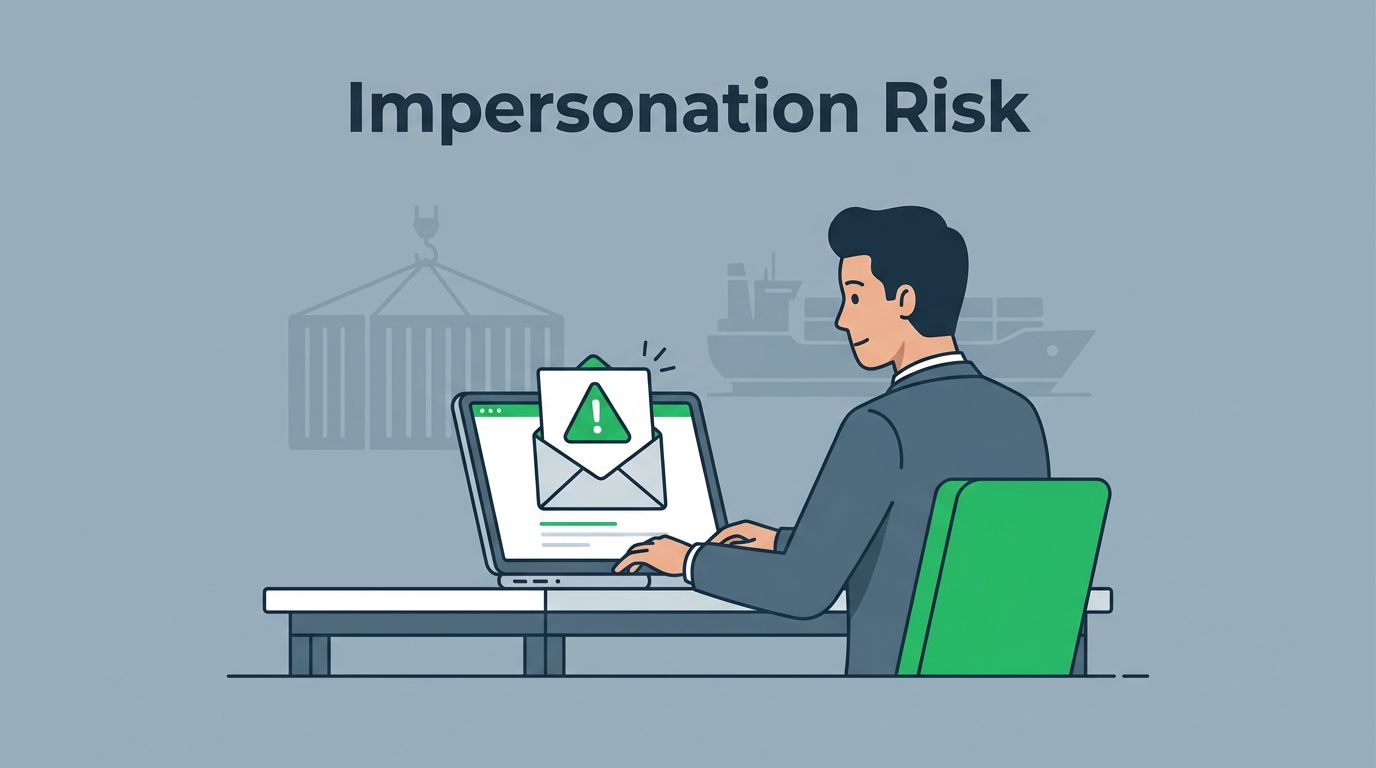
A fake email from your top supplier lands in the inbox. It urges a quick bank update for an urgent invoice. You approve the wire transfer. Then $400,000 in lobster cargo vanishes because thieves posed as the real carrier. Scams like this hit hard in 2026.
Procurement teams face rising pressure from these impersonation attacks. Fraudsters mimic vendors with tiny email tweaks or deepfake calls. Losses mount because small oversights lead to big payouts. You can stop this with targeted training.
This guide shows practical steps to build skills in your team. Start by spotting red flags, then run drills and set clear processes.
Understand Supply Chain Impersonation Risks
Supply chain impersonation happens when attackers pretend to be trusted vendors. They send fake invoices or change payment details. In April 2026, emails mimicked shipping firms and vessels to push phony purchase orders, as noted in a Red Sky Alliance report on vessel impersonation.
These scams blend business email compromise with cargo theft. Thieves spoof domains like dispatch.FBITrucking@[freeprovider].com instead of the real one. They add punctuation or swap top-level domains. One case saw fraudsters hack carrier emails to steal blueberries and other loads.
Deepfakes add a twist this year. Attackers use AI voices to mimic execs pushing supplier changes. Procurement pros must verify every odd request. Trends show a surge in these tactics because tools like fake npm packages, such as the Bitwarden CLI impersonator in April 2026, spread fast and steal credentials.
Your team handles vendor onboarding and payments. That’s why they top the target list. Train them to question urgency. Always check sources before acting.
Why Procurement Teams Need Urgent Training
Procurement leaders see more fraud attempts daily. FBI data points to a cargo theft surge with email spoofs leading the way. In one scheme, crooks posed as brokers and used shortened phishing links.
Accounts payable teams fall for payment redirects most. A San Francisco case lost $200K when fakes mimicked AECOM buyers with forged W-9s and LinkedIn profiles. These attacks exploit trust in ongoing supplier ties.
2026 brings industrial-scale hits. Groups like TeamPCP release worm-like fake packages that grab cloud keys. Procurement risks grow as suppliers’ weak CI/CD lets malware chain into your ops.
Deepfake BEC rose 47% for unauthorized access. Staff get rushed calls to update vendor banks. Without training, your team pays the price.
Focus on role-specific prep. Teach sourcing managers to vet new suppliers beyond emails. AP clerks learn dual checks. This cuts losses because awareness sticks when it’s hands-on.
Key Signs of Impersonation Scams
Spot fakes early to halt scams. Look for domain mismatches first. Real suppliers use company.com; frauds pick company.us or add hyphens.
Urgency screams trouble. Emails demand “immediate” payments or CEO approvals. Legit vendors give time.
Check sender details. Free providers or slight misspellings flag issues. Hover over links before clicking.
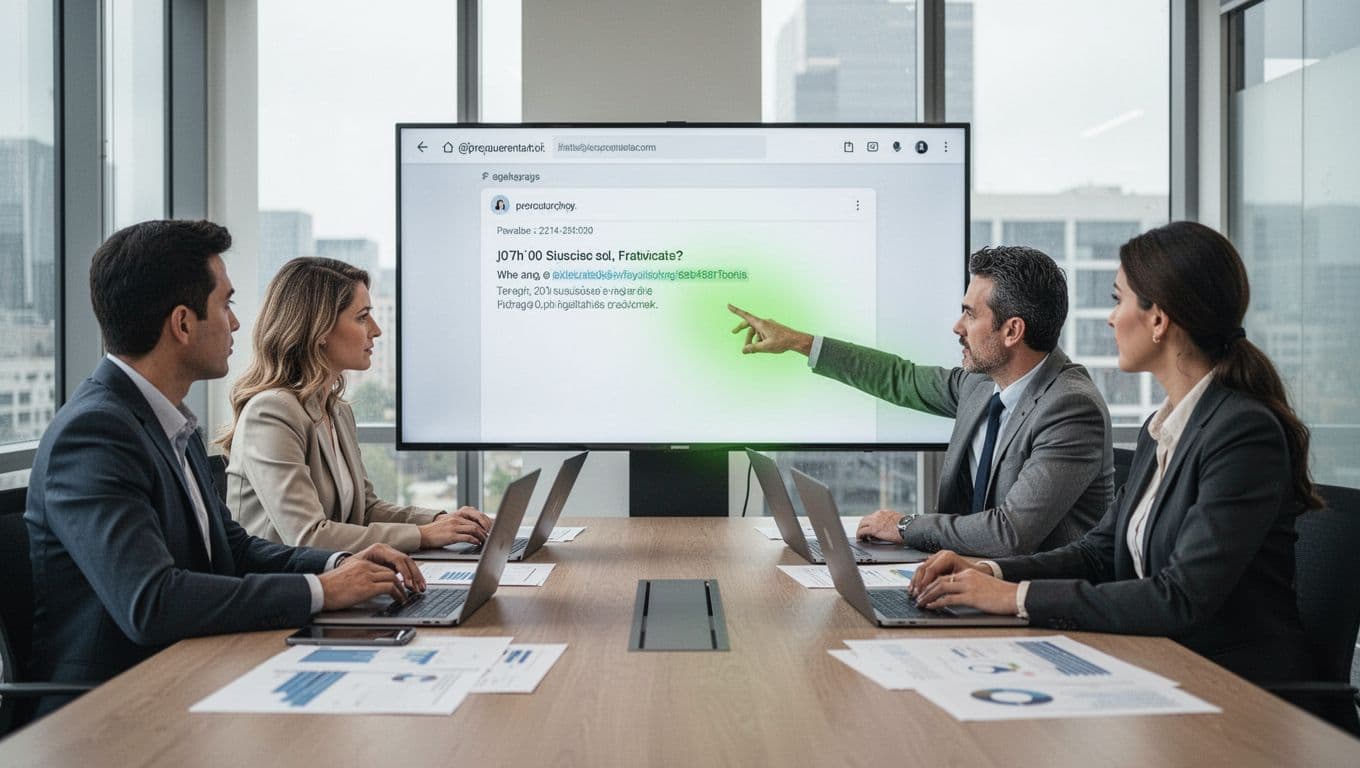
Odd attachments or requests stand out too. Fake invoices swap bank routes. Deepfakes sound off on callbacks; voices glitch or miss context.
Use this quick checklist in training:
- Verify domain exactly matches known vendor.
- Call back on a trusted number, not the email one.
- Scan for pressure words like “confidential” or “today only.”
- Cross-check with your vendor list.
Practice with samples. One drill: Show a spoofed Costco lobster pickup email. Teams spot the single-character domain swap. This builds instincts fast.
Build an Effective Training Program
Start with interactive sessions. Mix lectures and role-plays. Diverse groups discuss real 2026 cases like the Axios NPM hack where fakes stole creds.
Run quarterly workshops. Cover BEC prevention with PhishSkill’s guide on verification. Tailor to procurement: Simulate supplier onboarding fraud.

Incorporate phishing sims. Send fake vendor emails weekly. Track who flags them. Follow up with debriefs.
Sample scenario: A “supplier” emails a bank change for a big order. Train teams to pause and verify out-of-band. Use NCSC tips like dual approvals for big wires.
Make it ongoing. Share monthly fraud alerts. Quiz on deepfake tells, like mismatched backgrounds in video calls.
Measure success. Aim for 90% flag rates in sims. Tie to bonuses if it fits your culture. This keeps skills sharp.
Step-by-Step Escalation Process
Clear steps prevent chaos. When a team spots a potential fake, they follow this flow.
- Verify independently. Call the vendor’s known number. Ask about the request without sharing details.
- Report internally. Flag to your security lead or AP supervisor. Log the email with headers.
- Isolate the threat. Quarantine the message. Block the sender domain.
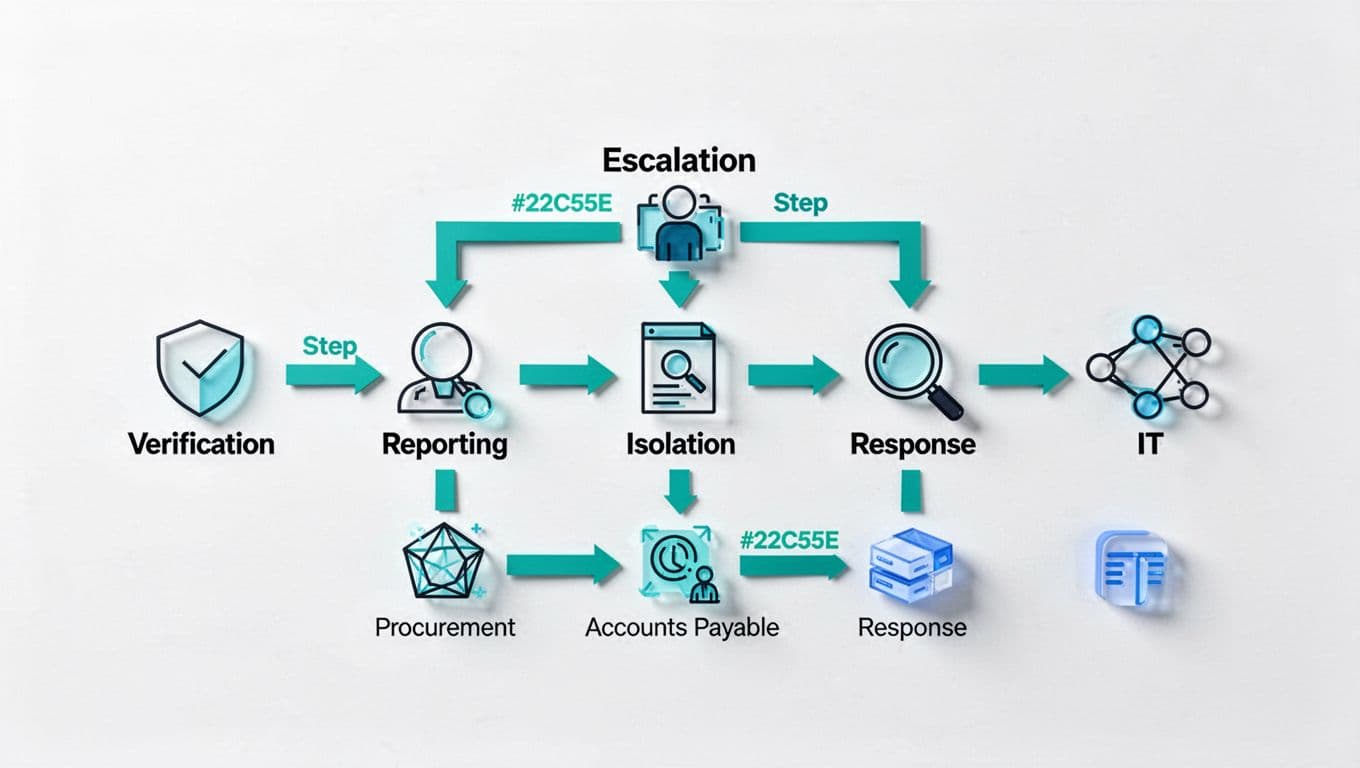
4. Collaborate across teams. Loop in IT for scans, legal for contracts, and the vendor for confirmation. 5. Respond and document. Update your vendor master file. Report to FBI IC3 if funds moved.
Test this in drills. Time responses under 30 minutes. AP verifies payments; procurement checks onboarding.
Document every step. This creates audit trails and refines the process.
Foster Collaboration Across Departments
Procurement doesn’t fight alone. Partner with AP for payment gates. IT adds email filters.
Legal reviews supplier contracts for verification clauses. Vendors join via shared fraud alerts.
Hold joint tabletop exercises. Simulate a deepfake CEO pushing a fake invoice. Teams practice handoffs.
Use shared tools like verified vendor lists. Update them quarterly. This plugs gaps because siloed teams miss signals.
In 2026, supply chain worms spread fast. Cross-training builds a united front. Start small: Monthly cross-team huddles.
Key Takeaways for Stronger Defenses
Train procurement teams on real signs like domain tweaks and urgency. Run sims and drills to make it stick.
Set a clear escalation path with verify-report-isolate steps. Collaborate with AP, IT, legal, and vendors.
These steps cut impersonation risks. Your supply chain stays secure.
Ready to strengthen your program? Book a Discovery Call with Bud Consulting for tailored advice.