table of contents
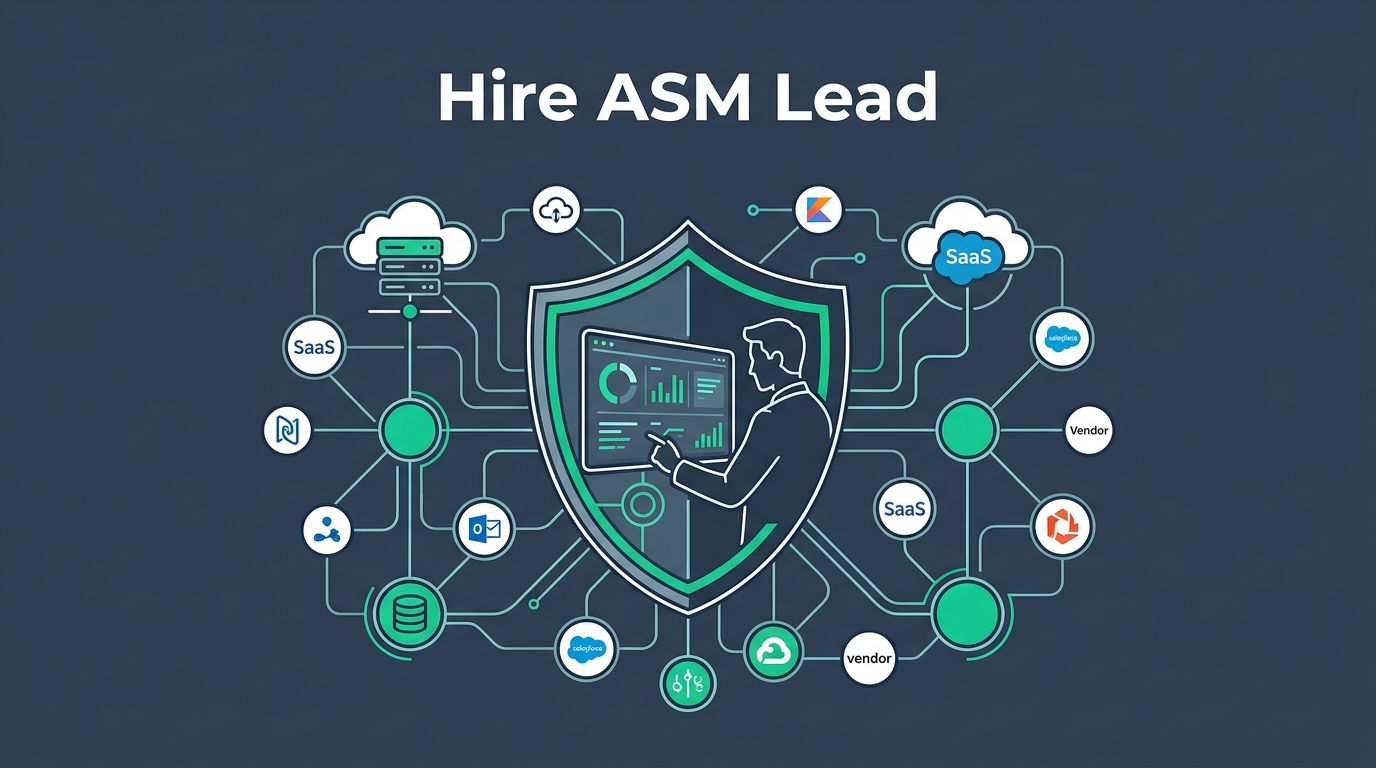
Attack surfaces exploded in 2026. Cloud sprawl, SaaS apps, and third-party vendors create more entry points for hackers than ever. You need an attack surface management lead to map, monitor, and shrink those risks before breaches hit.
Hiring one starts with a clear job profile tied to your biggest exposures, like AI-driven threats or supply chain weak spots. Then follow a structured process: source candidates with hands-on ASM tool experience, screen for collaboration skills, interview rigorously, and use a scorecard to pick the best fit. This guide walks you through it all, with 2026-specific tips to land top talent fast.
Table of Contents
- Why Hire an Attack Surface Management Lead in 2026
- What an Attack Surface Management Lead Does in 2026
- Must-Have Qualifications vs. Nice-to-Haves
- Step-by-Step Guide to Hiring Your ASM Lead
- Sample Scorecard for Evaluating Candidates
- Top Interview Questions
- Common Hiring Mistakes to Avoid
- Conclusion
- FAQ
Why Hire an Attack Surface Management Lead in 2026

Your attack surface grows daily. Remote work, AI tools, and SaaS stacks add endpoints hackers target. In 2026, browsers became prime attack vectors because employees access sensitive apps there. Supply chain hits jumped, with attackers breaching vendors to reach you.
Continuous Threat Exposure Management (CTEM) replaced monthly scans. It watches assets 24/7, prioritizes real risks, and cuts breach odds by three times. An ASM lead drives this shift. They focus on paths hackers take, not every vuln.
Cloud and SaaS complexity demands it. Ephemeral instances pop up and vanish. Third-party risks hide in vendor shadows. Without a lead, SOC teams drown in alerts. This role collaborates with AppSec, cloud security, and GRC to automate fixes.
Hiring trends show demand. Cybersecurity jobs grew 32%, but ASM experts stay scarce. Companies outsource to MSSPs, yet internal leads coordinate it all. Salaries hit $150K-$220K for seniors because they deliver impact.
Skip this hire, and exposures pile up. Ransomware now disrupts operations, not just files. Deepfakes trick MFA. An ASM lead spots these first. They integrate AI to triage threats, freeing humans for strategy.
Bud Consulting sees clients succeed when they prioritize ASM leads early. These pros align security with business speed.
What an Attack Surface Management Lead Does in 2026

An ASM lead maps your full exposure. They scan internet-facing assets, shadow IT, and third-parties daily. Tools like Tenable or CyCognito feed data into risk heatmaps.
Daily work includes asset discovery. They categorize cloud services, SaaS logins, and vendor links. Then prioritize by exploitability and impact. A public API with session tokens trumps a dark subnet vuln.
They automate responses. Scripts patch low-risk issues. Dashboards show trends to leadership. Collaboration matters. They sync with SOC for alerts, AppSec for code flaws, and cloud teams for configs.
In 2026, AI changes everything. Leads use it to predict paths, like AI phishing scales or deepfake fraud. They enforce zero trust: verify identities, devices, always.
Reporting ties to compliance. SOX, NIST need proof of posture. Leads validate metrics, evolve ETL processes.
Expect them to train teams. Network staff learn scanning. DevOps adopt secure builds. For example, AT&T’s ASM lead role stresses policy enforcement and incident response.
This role shrinks your surface over time. Teams fix 95% of damage from 5% of issues.
Must-Have Qualifications vs. Nice-to-Haves
Core quals separate fits from fakes. Demand 7+ years in cybersecurity, 3+ in ASM or EASM. Hands-on with scanners like Qualys, CrowdStrike, or Censys.
They build maps, score risks, automate remediations. Bachelor’s in CS or IT required. Certs like CISSP, CEH boost credibility.
Soft skills count. They mentor juniors, bridge DevOps friction. Business acumen helps justify budgets.
| Category | Must-Haves | Nice-to-Haves |
|---|---|---|
| Experience | 7+ years cyber; 3+ ASM/EASM/threat intel | Red team background |
| Technical Skills | Tenable/Qualys expert; automation scripting; cloud/SaaS mapping | AI threat modeling |
| Certs/Education | Bachelor’s CS/IT; CISSP/CEH | Vendor-specific ASM certs |
| Soft Skills | Cross-team collaboration; reporting | Public speaking on trends |
Must-haves ensure execution. Nice-to-haves accelerate maturity. SailPoint’s ASM team lead posting lists similar: strategy, metrics, SLAs.
Salaries reflect this. Mid-level: $110K-$150K. Leads: $150K-$220K base, plus 10-40% total comp. Higher in CA/NY.
Screen for these first. Vague resumes fail.
Step-by-Step Guide to Hiring Your ASM Lead
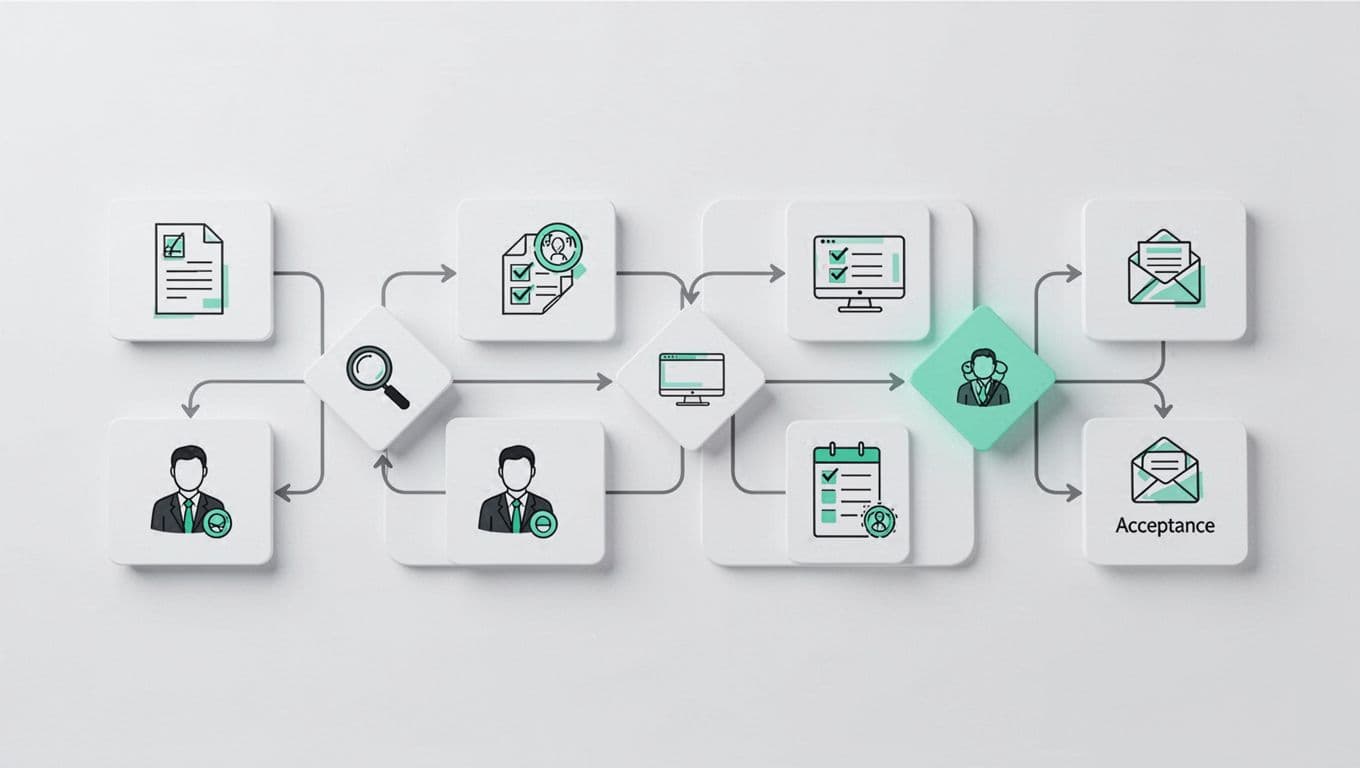
Hiring takes 4-6 weeks. Talent moves fast.
- Define the role. List exposures: cloud sprawl, SaaS risks. Tie duties to CTEM cycle: discover, prioritize, validate, remediate.
- Craft the JD. Highlight tools, collabs. Offer $150K+ base, remote, equity. Post on CyberSecJobs, BuiltIn.
- Source candidates. Use recruiters like Bud Consulting. Target LinkedIn ASM groups, conferences. Check SailPoint’s ASM lead example.
- Screen resumes. Filter for 7+ years, specific tools. Phone: “Describe mapping a SaaS attack surface.”
- Technical interviews. Live scan a mock asset. Assess risk prioritization.
- Leadership round. Probe team influence, automation wins.
- Score and offer. Use scorecard. Negotiate perks.
This framework cuts bias. Track time-to-hire.
Sample Scorecard for Evaluating Candidates

Scorecards make decisions objective. Rate 1-5 per category. Weight technical 40%, leadership 30%, fit 30%. Minimum 80% to advance.
| Category | Weight | Criteria | Score (1-5) |
|---|---|---|---|
| Technical Skills | 40% | Tool mastery, risk scoring | |
| Experience | 25% | ASM years, real reductions | |
| Leadership | 20% | Collab examples, mentoring | |
| Cultural Fit | 15% | Biz alignment, comms | |
| Total | 100% |
Add must-have checks: “Tenable exp? Yes/No.” Tally post-interview. Top scorer gets offer.
This spots patterns. One client hired faster, reduced exposures 40%.
Top Interview Questions
Ask these to reveal depth.
Technical: “Walk through prioritizing a vuln in a third-party SaaS.” Good answers mention reachability, exploitability.
Behavioral: “How did you automate remediations with DevOps?” Look for metrics, like “Cut MTTR 50%.”
Leadership: “Describe collaborating with SOC on CTEM.” Probe zero trust enforcement.
2026 twist: “How do you handle AI-generated code vulns?” Expect prioritization via impact.
Trend: “What’s your take on browser risks?” Ties to remote work.
Follow up: “Quantify your impact.” Numbers win.
Use NCC Group’s 2026 ASM outlook for context questions.
Common Hiring Mistakes to Avoid
Hiring wrong costs time, risks. First, vague JDs attract generalists. Specify tools, exposures.
Overlook soft skills. Tech wizards flop without collab. Probe DevSecOps stories.
Ignore 2026 trends. Skip AI/cloud experience, miss threats. Demand CTEM knowledge.
Rush offers. Skip scorecards, bias creeps in. One firm hired a “CISSP” who lacked ASM, wasted months.
Lowball comp. $105K-$177K base average. Add equity for retention.
Neglect refs. Ask ex-bosses: “Did they shrink surface?”
Diversity helps. Broaden to cleared pros, regions. Per cyber hiring trends, cloud/IAM specialists thrive.
Fix these, hire right.
Conclusion
An attack surface management lead tackles 2026’s chaos: volatile clouds, SaaS sprawl, AI threats. Hire with a tight framework, scorecard, and targeted questions to secure one.
Focus on must-haves like ASM experience and automation. You’ll shrink risks, align teams, boost posture.
Ready to build your team? Book a Discovery Call with Bud Consulting for tailored sourcing.
FAQ
What salary should I offer an ASM lead in 2026?
Base $150K-$220K for seniors, plus 10-40% bonuses/equity. Adjust for location: higher in tech hubs.
How long does hiring take?
4-6 weeks if structured. Source via specialists to speed it.
What tools do top ASM leads know?
Tenable, Qualys, CyCognito, CrowdStrike. Automation scripting essential.
Can I hire remotely?
Yes. Many roles like this SailPoint lead are remote.
Why prioritize third-party risks?
Attackers hit vendors first. Leads map these for full visibility.
What’s CTEM, and does the lead own it?
Continuous cycle: scope, discover, prioritize, validate, mobilize. Lead owns execution.
How does the role fit with SOC/AppSec?
Lead feeds prioritized risks. SOC triages, AppSec fixes code.
Are certs mandatory?
CISSP/CEH help, but experience trumps. ASM tool certs shine.
(Word count: 2487)