table of contents
Supply chain disruptions hit hard these days. A single breach or theft can cost millions and halt operations. You need someone who spots risks before they strike.
That’s where a supply chain security coordinator comes in. This role blends logistics know-how with sharp security instincts. It keeps your goods safe from port to warehouse.
You want to hire right the first time. This guide walks you through the process step by step. Start by understanding the job basics.
What Does a Supply Chain Security Coordinator Do?
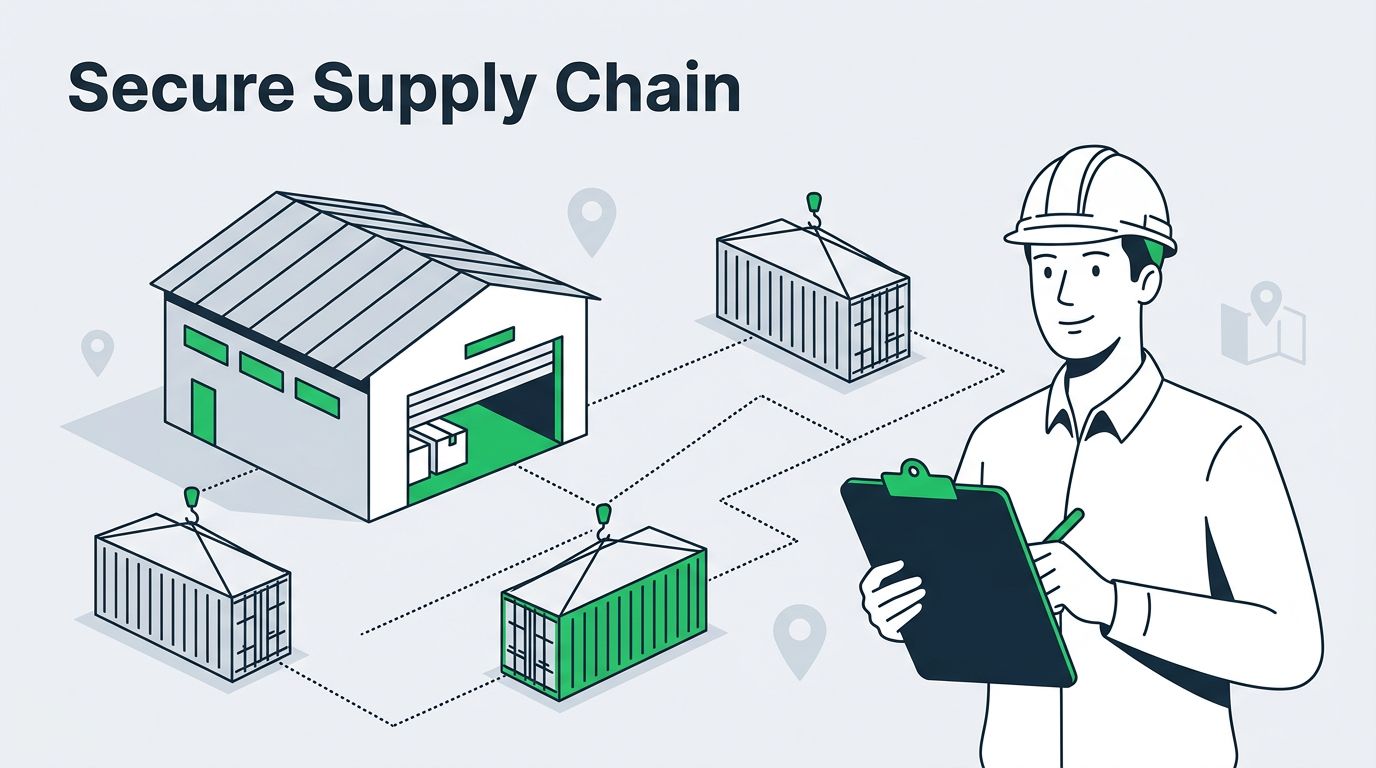
A supply chain security coordinator watches over your entire logistics network. They check suppliers, track shipments, and handle compliance checks. Daily tasks include reviewing vendor security protocols and running risk assessments.
They coordinate with teams across procurement, shipping, and IT. For example, they might audit a warehouse for weak spots or respond to a cargo delay alert. In 2026, threats like AI-driven attacks make this role essential, as ISC2 reports show supply chain risks topping leader concerns.
Expect them to lead incident responses too. If a truck gets tampered with, they isolate the issue, notify stakeholders, and fix gaps. Cross-functional work stands out; they bridge ops and security without silos.

This monitoring oversight keeps flows smooth. Coordinators also prep for audits, like CTPAT validations. They document everything to prove compliance.
Hands-on experience matters. Look for past work in cargo security or supplier vetting. Roles at firms like Expeditors highlight these duties clearly.
Build an Accurate Job Description
Start with a clear job post. List core duties first: manage supplier risks, conduct security audits, and coordinate incident responses. Add specifics like “oversee CTPAT compliance” or “evaluate cargo screening processes.”
Include must-have skills. Risk management tops the list, followed by compliance knowledge. Mention tools like ERP systems or TMS software. For 2026 hires, note AI risk detection basics, as trends demand it.
Set realistic qualifications. A bachelor’s in supply chain or business helps, but 3-5 years experience trumps degrees. Certifications like TAPA add value; check TAPA’s professional levels for details.
Salary ranges vary. Entry-level coordinators earn $45,000 to $50,000. Mid-level hit $50,000 to $70,000, per PayScale data. Tech or defense industries pay more, up to $85,000 for seniors. Adjust for your location and sector.
End with company perks. Highlight team collaboration or growth paths. A strong description attracts qualified applicants fast.
Key Skills and Qualifications to Screen For
Focus on proven abilities. Top candidates excel in risk management and compliance. They spot supplier vulnerabilities before contracts sign.
Cargo security experience is key. Ask about past theft prevention or screening methods. Supplier risk assessment follows; they should vet partners for financial stability and security practices.
Incident response skills shine in crises. Look for stories of quick fixes during delays or breaches. Audit handling rounds it out; they prep reports and fix findings.
Cross-functional coordination sets stars apart. They work with procurement, legal, and ops without friction.

Photo by Ian Findley
Certifications boost resumes. TAPA Certified Coordinator suits entry roles. ISO 28000 covers broader security management. CTPAT partnership shows U.S. trade savvy. Don’t require them all; prioritize based on needs.
Soft skills matter too. Strong communication helps during audits. Problem-solving drives daily wins.
Screen resumes for these first. Use keywords like “security audits” or “supplier vetting” to filter.
Where to Find Qualified Candidates
Post on niche sites. LinkedIn targets supply chain pros. Indeed and Glassdoor pull logistics talent.
Industry boards work well. ASCM or TAPA networks connect you to certified folks. Recruiters specialize here; firms like Bud Consulting fill security gaps.
Check freight and logistics job sites. Roles at Lockheed or ADT often list similar skills, as seen in Lockheed postings.
Network at events. Supply chain security conferences draw experts. Referrals from partners yield quick fits.
In 2026, contract roles rise for urgent needs. Platforms like Upwork suit short-term audits.
Aim for diverse pools. Women and minorities fill growing gaps in logistics security.
Interview Questions to Ask
Probe deep in interviews. Start with behaviorals: “Tell me about a supplier risk you flagged and how you handled it.”
Test compliance: “How do you prepare for a CTPAT audit?” Good answers cover documentation and team drills.
On cargo security: “Walk us through securing high-value shipments.” Listen for layers like GPS tracking and seals.
Incident response: “Describe leading a breach response. What changed afterward?”
Audits and coordination: “How do you align security with procurement goals?” Seek collaboration examples.
For trends: “How would AI threats impact our chain?” Ties to current demands.

Use these supply chain risk questions as a base. Follow up: “What was the outcome?” Results prove fit.
Role-play scenarios. Simulate an audit finding. Watch their steps.
Your Hiring Checklist
Use this checklist to stay on track. It covers the full process.
| Step | Action | Notes |
|---|---|---|
| 1. Define Needs | List top risks (e.g., supplier theft, compliance gaps) | Tailor to your chain |
| 2. Write JD | Include duties, skills, salary range | Post on LinkedIn/Indeed |
| 3. Screen Resumes | Check 3+ years exp, certs like TAPA | Shortlist 10-15 |
| 4. Phone Screen | Ask about audits, incidents | 15-min calls |
| 5. Interviews | 3 rounds: behavioral, technical, team | Use questions above |
| 6. Reference Checks | Verify risk management wins | Contact 2-3 past bosses |
| 7. Offer | Match market ($50k-$70k mid) | Include cert support |
Tick off each. Adjust for your team size. If sourcing stalls, book a discovery call with Bud Consulting.
Conclusion
Hiring a supply chain security coordinator protects your operations long-term. Focus on risk savvy, compliance pros, and team players. Use clear JDs, targeted questions, and a solid checklist.
Strong hires cut threats and boost efficiency. They handle audits, incidents, and supplier checks with ease.
Get started today. Your chain stays secure.