table of contents
A data breach hits fast. In May 2026 alone, incidents at Canvas exposed student records, Mercor lost 4 terabytes, and Match Group affected 10 million dating app users. Companies face immediate pressure to respond.
You lead security, PR, or compliance. Poor communication amplifies damage. Customers lose trust. Regulators investigate. Stock prices drop. Strong post-breach communication rebuilds confidence and meets legal duties.
This guide shares actionable frameworks. They focus on governance, tailored messages, and adaptation to breach details. You’ll get steps to coordinate teams and decide what to say, when.
Establish Cross-Functional Governance First
Governance sets the foundation. Without it, messages conflict. Teams argue over facts. Delays grow.
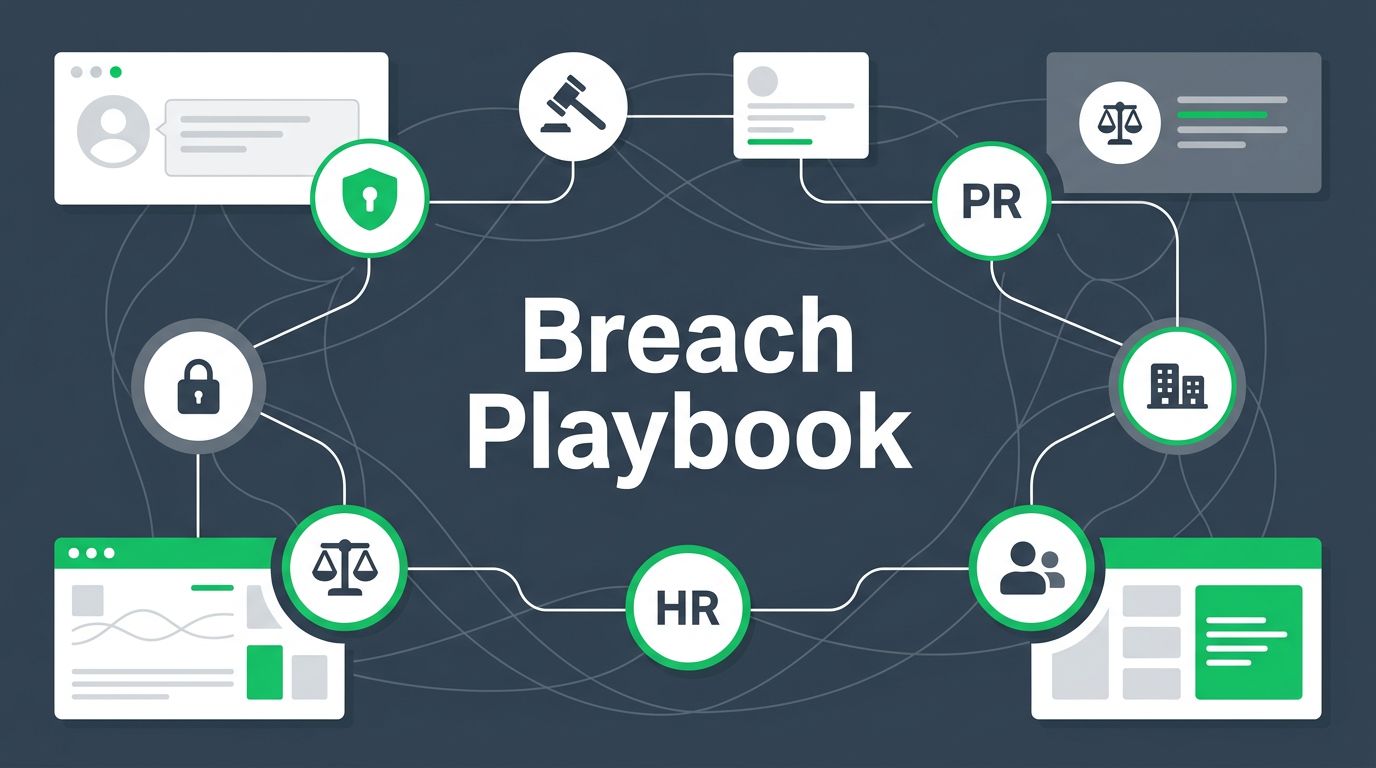
Form a core response team right away. Include your CISO for technical details. Add legal counsel for compliance risks. Bring PR leads for messaging tone. Include HR for employee support. Executives align on business impact.
Meet hourly at first. Use a shared dashboard for updates. Decide roles clearly. The CISO reports breach scope. Legal flags notification triggers. PR drafts statements.
This structure speeds decisions. It prevents leaks from silos.

In action, this team reviews evidence together. They approve all outbound messages. For example, if investigation shows limited data loss, legal confirms no immediate notices. PR then preps internal updates.
Test this setup in drills. Run quarterly simulations. Note gaps, like slow legal sign-off. Fix them before real events.
Cross-functional input also covers operations. Finance tracks costs. IT plans recovery. Everyone stays informed through brief status reports.
By 2026 standards, regulators expect this coordination. The SEC demands material impact disclosures within four business days for public firms. States vary, but alignment with counsel avoids fines.
Pick a Proven Framework for Your Response
Frameworks provide structure. They guide you from detection to recovery.
Start with the NIST incident response model. Adapt its phases to communication. Detection triggers internal alerts only. Analysis shapes first external words. Containment limits what you admit publicly.
Another option is the SANS framework. It stresses containment first, then notify based on risk. Use it for speed.
Combine elements into your own. Here’s a simple four-phase approach:
Phase 1: Assess internally (24 hours max). Gather facts. No external talk.
Phase 2: Contain and plan messages (next 48 hours). Legal reviews drafts.
Phase 3: Notify as required. Tailor by audience.
Phase 4: Follow up with remediation proof.
This keeps efforts focused. It scales to breach size.
Document decisions in a log. Note why you chose silence or disclosure. This protects during audits.
For deeper playbooks, check ContraForce’s post-breach recovery guide. It covers stakeholder scripts.
Regular updates refine your framework. After each drill or event, debrief. Ask what worked. Adjust timelines or roles.
Tailor Messages to Each Stakeholder Group
One-size-fits-all fails. Customers want protection steps. Employees need reassurance. Regulators demand facts.
Segment your plan. Write templates for each group ahead. Review them yearly with counsel.
Customers get empathy first. “We regret this incident. Your names and emails may be involved. Change passwords now. We offer free credit monitoring.”
Employees hear internal facts. “Systems are secure again. Do not discuss externally. HR has support resources.”
Regulators need precise reports. Include dates, data types, affected count. Follow formats from state laws.
Partners focus on shared risks. “Our firewall blocked further access. Joint review next week?”
Investors see business continuity. “No material impact expected. Full details in next filing.”
Media statements stay factual. “Incident confirmed May 10. Investigation ongoing. Updates soon.”
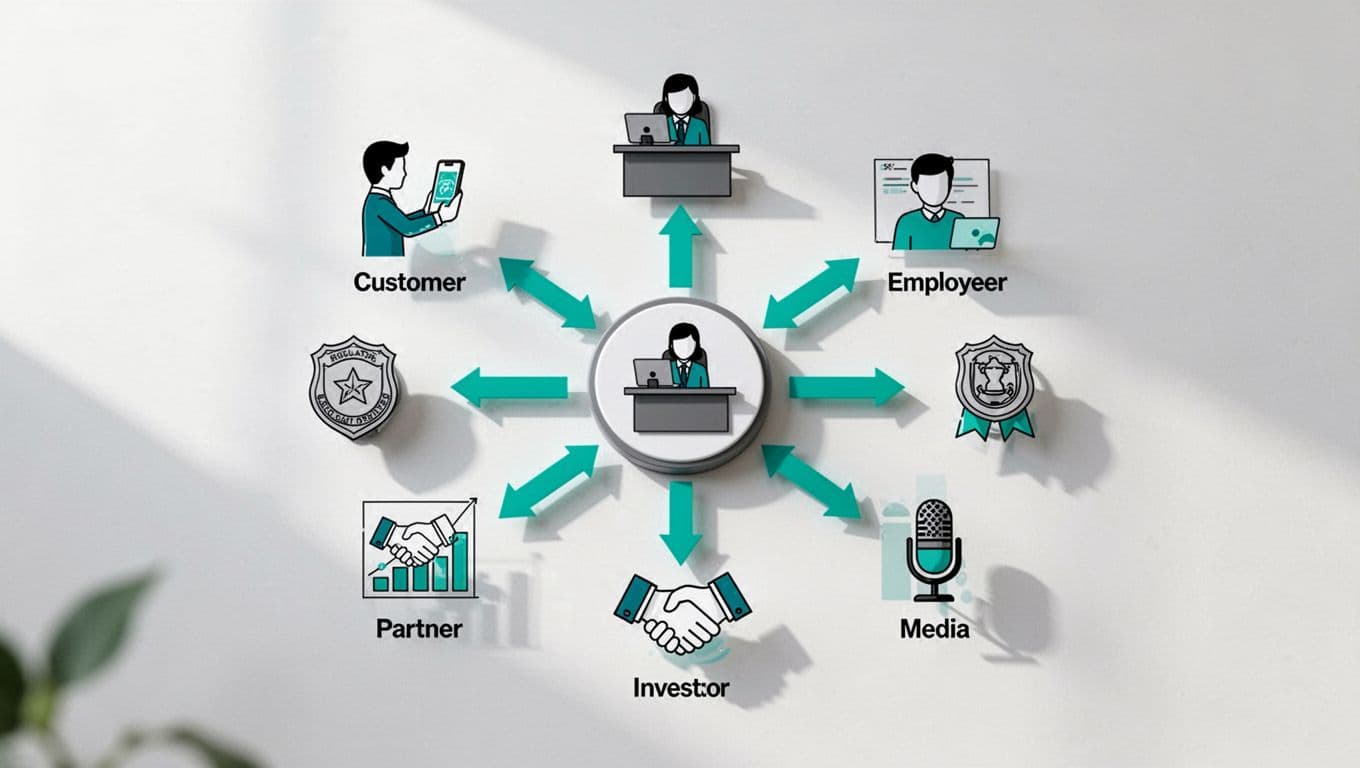
Use plain language everywhere. Skip jargon. Test drafts on non-experts.
Channel matters too. Email customers. Town halls for staff. Portals for regulators.
Track responses. Customer helplines log calls. Adjust messages based on questions.
This targeted approach builds trust. It shows you understand each group’s concerns.
Adapt Frameworks to Breach Severity and Status
Breaches differ. A low-risk phishing hit needs less talk than ransomware with data exfil.
Build decision trees. Factor in severity, data sensitivity, and investigation progress.
Low severity: Internal data, contained fast. Limit to employee memos.
Medium: Customer PII exposed, but uncertain scope. Notify after legal check. Offer basics like password resets.
High: Widespread leak, public proof. Full disclosure. Press release plus remediation.
Uncertainty changes plans. Early on, say “investigating scope.” Update as facts emerge. Never speculate on attackers.
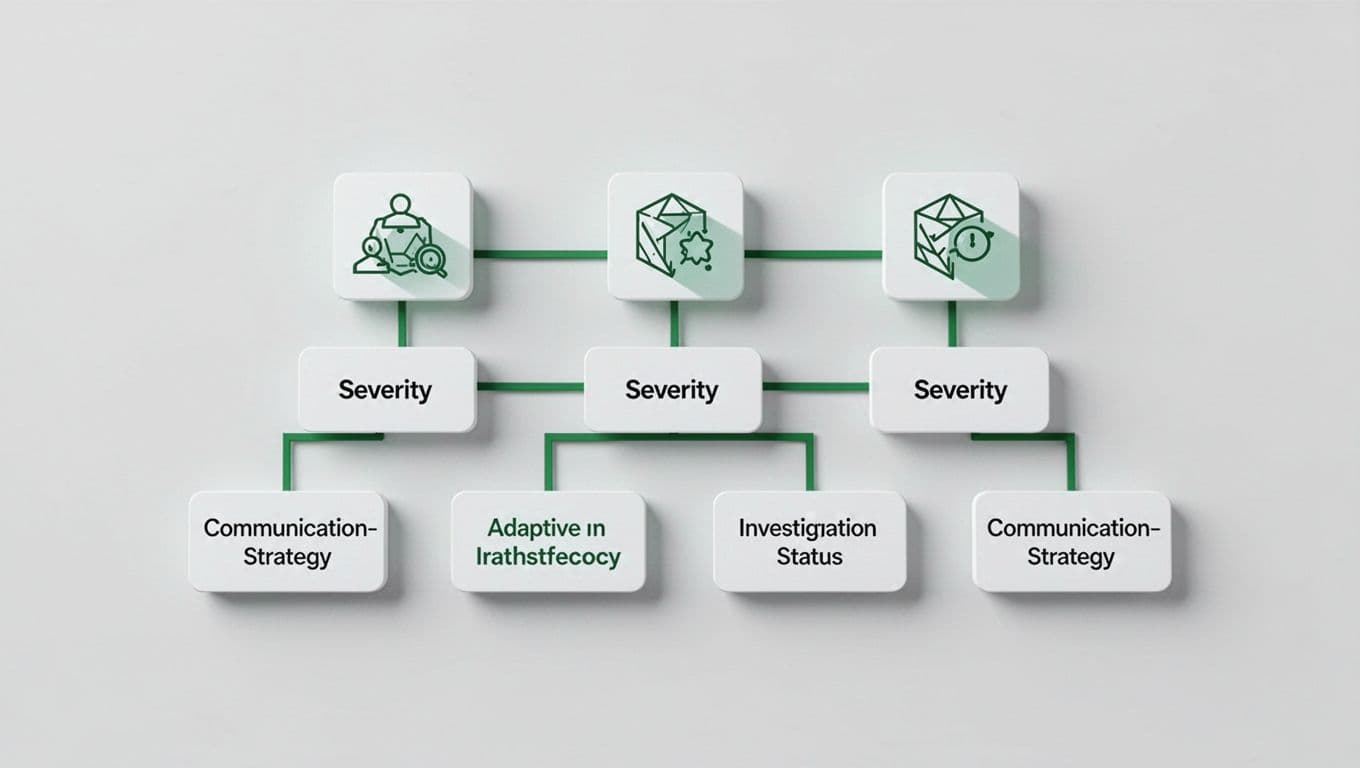
Investigation status drives pace. Day one: Acknowledge internally. Day three: Regulator notice if required. Weekly public posts after.
Severity scores help. Rate data type (1-5), exposure count, exploit ease. Total over 15 triggers escalation.
Review Chambers’ 2026 crisis management guide for UK-EU parallels applicable in global ops.
Flexibility prevents over- or under-sharing. It matches 2026 expectations for transparency without panic.
Navigate 2026 Notification Timelines and Laws
Timelines tightened in 2026. Miss them, pay penalties.
US states lead variation. California requires resident notices in 30 days, AG in 15 for big breaches. 20 states set 30-60 day caps. Others say “promptly.”
EU GDPR holds at 72 hours to authorities if risk exists. Proposed changes may extend but streamline.
Public firms follow SEC: four days for material events.
Healthcare under HIPAA: 60 days for 500+ affected.
Always consult counsel. They map your ops to rules. Pre-draft notices.
For a full US state breakdown, see the Privacy Rights Clearinghouse 2026 survey.
Out-of-band channels help. Use secure apps for team updates. Avoid email chains.
Audit compliance yearly. Note changes like Oklahoma’s new AG reports within 60 days post-notice.
Draw Lessons from May 2026 Breaches
Real cases sharpen plans. Canvas delayed student notices. Anger grew online.
Mercor lost terabytes via cloud misconfig. They notified fast but skipped remediation details. Trust lagged.
McGraw Hill exposed 45 million records. Clear emails with monitoring offers helped recovery.
LAPD leak showed police files. Internal first, then public facts.
Match Group hit apps. Specific steps like account locks won praise.
Common wins: Speed, specifics, accountability. “We found it May 5. Names taken. Monitor credit.”
Losses: Vague scopes, no follow-ups. Patterns match reports from Dark Scout’s breach plan steps.
Apply these. Update templates with fresh examples.
If your team needs talent for these responses, like experienced CISOs, Book a Discovery Call with Bud Consulting.
Develop and Test Playbooks for Speed
Playbooks turn chaos to order. Write yours now.
List scenarios: Ransomware, insider leak, supply chain hit.
For each, outline triggers, messages, channels.
Include escalation paths. Who approves CEO statements?
Store in accessible tools. Share read-only versions.
Test via table-tops. Simulate Mercor-scale loss. Time message approvals.
Debrief captures fixes. Shorten legal reviews? Add FAQ pages?
Version control matters. Track 2026 law updates.
External audits validate. Firms check alignment with frameworks like UnderDefense’s incident plans.
Ready playbooks cut response time by half. They build muscle memory.
Key Takeaways
Strong post-breach communication hinges on governance, tailored plans, and adaptation. Cross-functional teams decide fast. Stakeholder messages match needs. Severity guides disclosure.
In 2026, timelines press hard. Align with counsel. Learn from Canvas or Match mishaps and wins.
Build your framework today. Test it. Your reputation depends on execution under pressure.