table of contents
Your SOC team spots threats around the clock. One weak analyst can miss a breach that costs millions. You need someone who triages alerts fast, communicates clearly, and stays calm during incidents.
Hiring gets tougher each year. AI handles basic alerts now, so analysts focus on complex threats. Competition heats up for talent with real skills. This guide walks you through finding the right fit.
You will learn key skills, interview tips, and hiring options that work today.
Define What a SOC Analyst Does Today
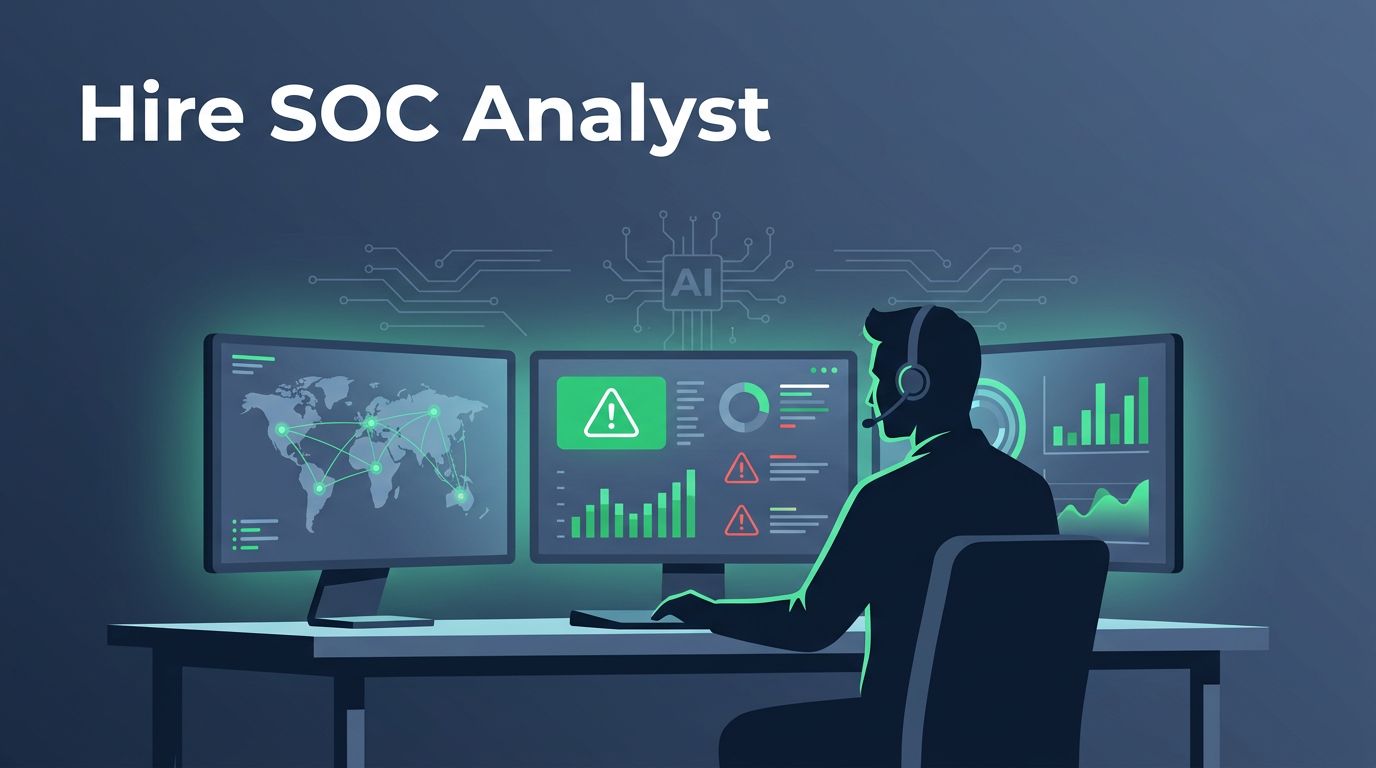
SOC analysts monitor networks for attacks. They review alerts from tools like SIEM systems. Then they investigate, contain threats, and document findings.
Expect shift work. Many roles run 24/7. Analysts hand off during escalations to senior staff. In 2026, AI filters 90% of routine noise, so humans tackle ambiguous cases.
Look for curiosity first. Good analysts ask why an alert fired. They correlate logs across systems. Poor ones just close tickets.
Teams need balance. Pair technical whizzes with strong writers. Clear reports prevent repeat issues. Also check shift readiness. Night owls thrive; others burn out.
Start your job description with real duties. List tools like Splunk or Microsoft Sentinel. Demand networking basics and scripting. This attracts qualified applicants.
Must-Have Technical Skills for SOC Analysts
Demand hands-on ability. Skip resumes with buzzwords. Test candidates on core tasks.
SIEM mastery tops the list. Analysts query logs in tools like Splunk or Elastic. They spot anomalies in traffic patterns. Without this, they drown in data.
EDR and XDR tools come next. Expect knowledge of CrowdStrike or Microsoft Defender. Candidates should explain endpoint detection and response workflows.
Incident triage defines the job. They prioritize alerts by severity. High-risk ones get immediate action; low ones get tuned out.
Threat detection requires pattern recognition. Analysts hunt for indicators like unusual outbound data or privilege escalations.
Log analysis skills separate pros from juniors. They parse firewall, IDS, and app logs. Correlate events to build timelines.
Networking fundamentals matter. Know TCP/IP, ports, and protocols. Analysts debug traffic flows.
Scripting automates grunt work. Python or PowerShell for parsing logs saves hours.

Test these in assessments. For example, give a sample log file. Ask them to find the root cause. Top performers explain their steps clearly.
Balance tech with soft skills. They document findings for non-tech teams. Poor writers create chaos.
Certifications That Signal Readiness
Certs prove basics. They filter entry-level from mid-tier talent.
CompTIA Security+ is table stakes. It covers networks, threats, and compliance. Most jobs list it.
CySA+ builds on that. Focuses on analytics and response. Ideal for SOC work.
GIAC certs like GCIH shine for incidents. They test handling real attacks.
Blue Team Level 1 adds practical labs. Candidates simulate SOC shifts.
Do not over-rely on certs. A hands-on assessment reveals true competence. Pair them with tests.
In 2026, AI-related certs like ISO 42001 gain traction. They show threat model savvy.
Verify certs early. Fakes waste time.
Spot Red Flags Early
Bad hires cost six months salary. Watch for warnings.
Candidates who blame tools lack ownership. Real analysts adapt.
Vague answers on incidents signal gaps. They should walk through a past case step by step.
No scripting experience hurts. Automation is standard now.
Ignore “I know everything” types. Humble learners fit teams better.
Check communication. Can they explain tech to executives? Test with a mock report.
Burnout history raises flags. SOC shifts demand stamina.
Overlook job hoppers with reasons. Short stints at high-pressure firms happen.
Screening guides highlight common pitfalls. Use them for consistency.
Nail the Interview Process
Structure interviews for fairness. Mix behavioral, technical, and practical.
Start with basics. “Walk me through investigating suspicious traffic.” Good answers show process: check logs, pivot to endpoints, escalate if needed.
Ask scenario questions. “An EDR alert shows ransomware. What next?” Listen for isolation steps and evidence collection.
Test triage. “You have 10 alerts. Prioritize them.” They should weigh impact and likelihood.
Behavioral probes work. “Describe a false positive you chased.” Reveals attention to detail.
Include a take-home. Analyze sample logs or Splunk queries. Time it to two hours.

Rate on criteria: tech depth (40%), communication (30%), process (20%), culture fit (10%). Use a rubric.
Involve your team. SOC managers spot peers fast.
Follow up references. Past bosses confirm shift reliability.
Decide on Your Hiring Model
Match model to your needs. Each has trade-offs.
In-house builds loyalty. Full control over training. Best for large teams.
Remote expands the pool. Analysts work anywhere. Check home setups for secure access.
Hybrid mixes both. Office for escalations; remote for monitoring.
MSSP support fills gaps. Outsource basics; hire for strategy. Cost-effective for startups.
Contract talent scales fast. Use for surges. Agencies handle compliance.
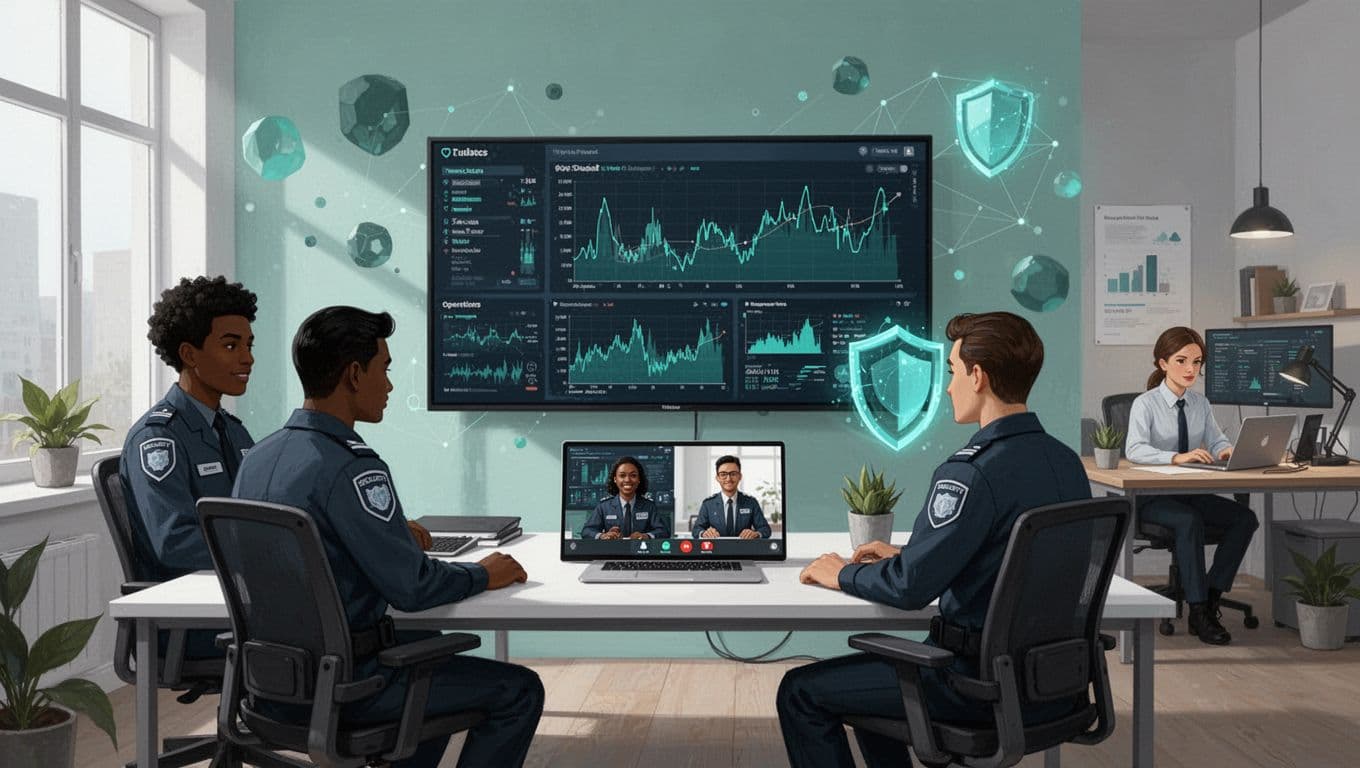
Small firms start with MSSP. Grow into in-house as threats evolve.
Weigh costs. Contracts run premium but onboard quick.
Set Realistic Salary Expectations
Market stays hot. Over 500,000 cyber jobs open in the US.
Entry-level pays $60,000 to $80,000. Mid-level hits $90,000 average, up to $110,000 with experience.
Location bumps pay. Tech hubs add 20%.
Certs and skills justify tops. Salary data confirms ranges.
Competition favors candidates. Offer shift pay and training to win.
Budget for growth. Top talent demands it.
Conclusion
Hiring a SOC analyst means matching skills to your threats. Prioritize SIEM, triage, and communication. Test in interviews; avoid red flags.
Pick the right model for your scale. Pay market rates to attract keepers.
Strong analysts protect your business. Book a Discovery Call with Bud Consulting if you need help sourcing them.
Your team stays ahead when hires fit perfectly. Start screening today.