table of contents
Your product team ships features fast with flags. But one unchecked toggle can expose data or crash services. Secure feature flagging turns those risks into controlled releases.
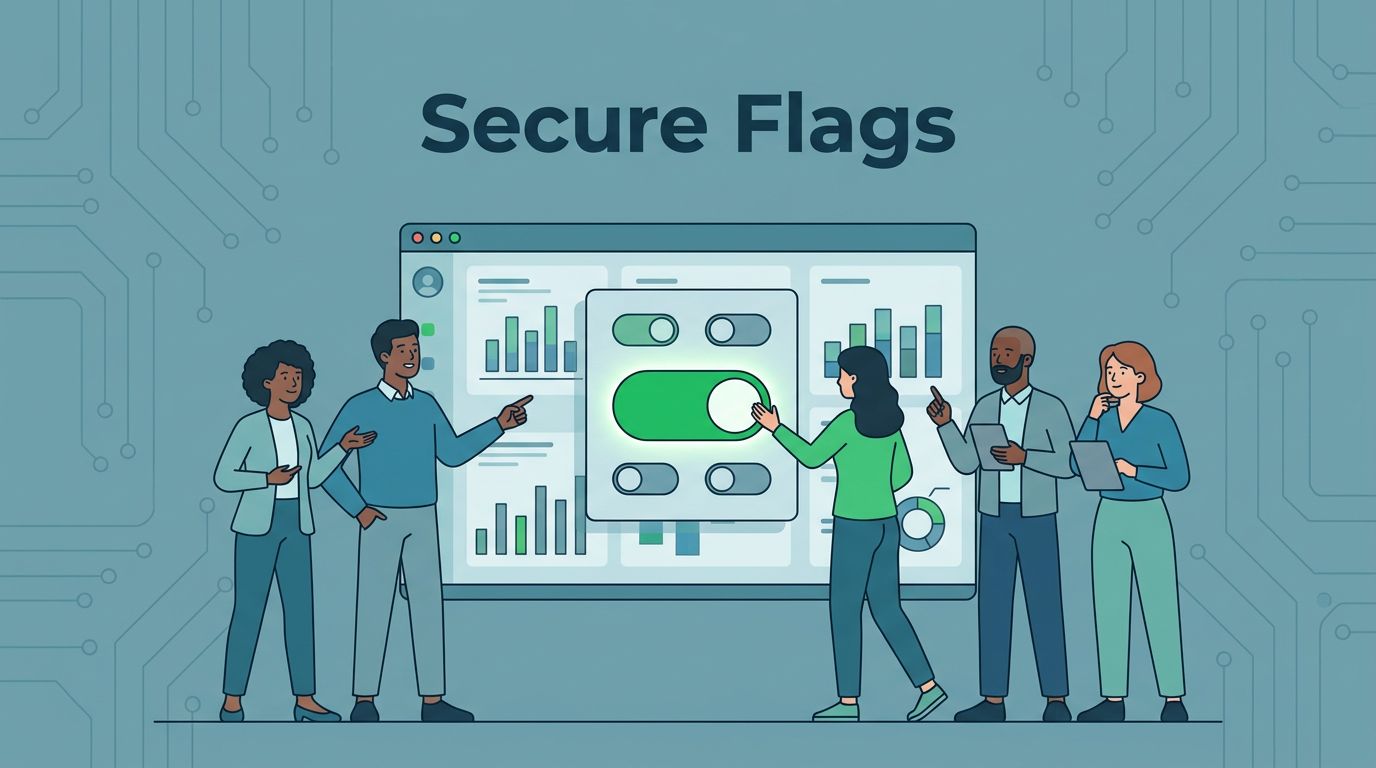
Product managers and engineers often treat flags as simple switches. They forget flags control live code paths. A bad flip hits production users right away. You need training that covers security from day one.
This guide gives practical steps. It starts with basics and builds to workflows your team can use now.
What Secure Feature Flagging Means
Feature flags let you enable code without full deploys. Secure versions add locks to prevent abuse. Think of flags as keys to app behavior. Without safeguards, anyone with access flips them and breaks things.
Secure feature flagging means server-side checks first. Clients see flags, but servers enforce them. This stops users from tampering in browsers. Tools like Unleash recommend this for compliance.
Flags also need owners and expiry dates. No flag lives forever. Old ones hide bugs or backdoors. In 2026, teams rotate tokens like passwords. They monitor changes in real time.
You protect users when flags stay short-lived. Assign types: short-term for tests, long-term for kill switches. Review long-term ones quarterly. This keeps your app lean and safe.
Naming matters too. Use clear labels like “payment-new-v1-prod”. Avoid vague ones. They confuse teams during incidents.
Why Product Teams Need This Training
Product leads drive feature ships. They set timelines and priorities. But without security know-how, they push risky flags. Engineers code around them. The result? Gaps in controls.
Training bridges that. Product managers learn flag impacts on users and data. They spot when a flag needs approval. Engineers gain workflows for safe rollouts.
Data shows risks. Client-side flags leak to tampered browsers. Leaked tokens expose configs. PostHog’s best practices for production-ready flags stress server evaluation. It cuts sync issues.
Teams crash less with trained staff. Gradual rollouts drop outages by 70 to 90 percent. Alerts catch flips fast. Product ops leads save hours on fixes.
You build trust this way. Users expect stable SaaS. Secure flags deliver it. Start sessions with real outages. Share stories from your deploys.
Set Policies and Access Controls
Policies guide flag use. Write them simple. Everyone reads and follows.
Start with access. Use role-based controls. Product viewers see flags. Engineers edit tests. Leads approve prod changes. No one gets full power.
GitLab’s handbook requires epic tracking for flags. Close issues before global enables. This prevents half-baked ships.
Name conventions help. Prefix by type: “kill-payment-outage” or “exp-abtest-ui”. Add owner and date. Tools enforce this at create.
Never store secrets in flags. Use vaults for keys. Flags toggle code, not configs.
Audit logs track all. Who flipped what, when? Store immutable. Securing feature flag integrity with audit logs calls this chain of custody.
Test policies in staging. Simulate bad flips. Train on responses.
Build Workflows and Approval Processes
Workflows make security habit. Product teams follow steps for every flag.
First, create with templates. Set expiry and owner upfront. FlagShark suggests budgets: max 10 active per team.
For prod, require reviews. Four-eyes rule: one proposes, another approves. Tools like Unleash log these.
Roll out slow. 5 percent users first. Wait 24 hours. Check metrics: errors, latency. Then scale.

Alerts notify changes. Integrate with Slack or PagerDuty. Owners respond fast.
Document states. Update when flags shift. GitLab waits a day post-enable before removal.
Train with mocks. Run sessions on dashboards. Practice approvals. This sticks.
Common Mistakes and Fixes
Teams repeat errors. Fix them in training.
One big slip: permanent flags. They pile up. Set auto-expiry. Review monthly. LaunchDarkly’s practices for short-term and permanent flags warn of clutter.
Client-side for security. Browsers tamper easy. Move to server. ConfigCat’s common mistakes to avoid pushes this.
No monitoring. Flags cause spikes unnoticed. Link to tools. Alert on thresholds.
Shared ownership. Flags get orphaned. Assign one lead per flag.
Leaked tokens. Rotate often. Use env-specific ones.
Over-flagging. Every change gets a flag. Limit to real needs. Train on when to skip.
Role creep. Execs flip prod flags. Lock with RBAC.
Address these head-on. Use outage recaps. Show before-after metrics.
Your Secure Feature Flagging Framework
Give teams a ready checklist. Adopt this framework.
| Step | Action | Owner | Timeline |
|---|---|---|---|
| Create | Template with name, type, expiry | Engineer | At design |
| Review | Four-eyes approval | Product lead + peer | Before merge |
| Rollout | 5-25-50-100% with metrics | Ops | Post-merge |
| Monitor | Alerts on changes/errors | All | Ongoing |
| Cleanup | Remove post-expiry | Owner | Within week |
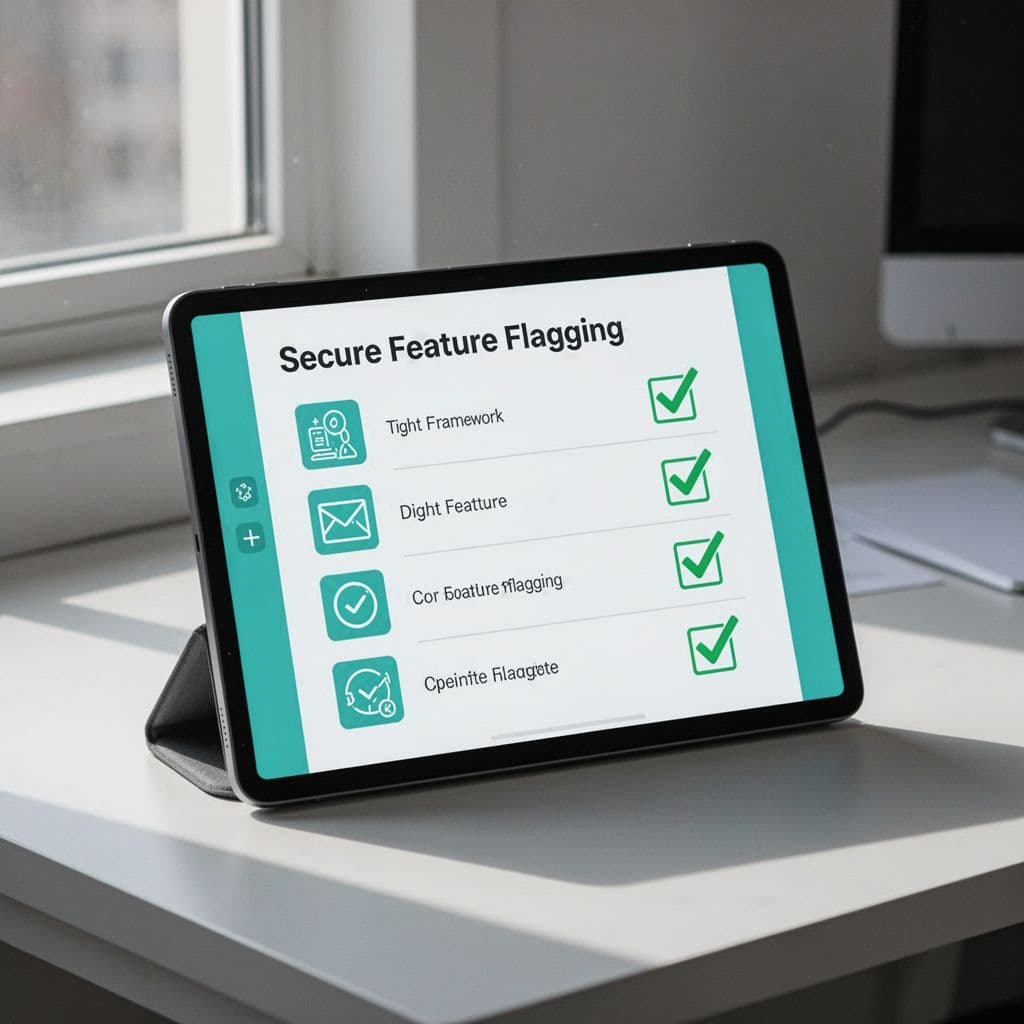
This table fits most SaaS teams. Customize for size. Track compliance in retros.
Policies cover naming and RBAC. Workflows add gates. Audits prove safety.
Run quarterly audits. Nag overdue flags. Automate where possible.
Key Takeaways
Secure feature flagging protects your ships. Policies, workflows, and reviews keep teams aligned. Common slips like old flags vanish with habits.
You cut outages and build confidence. Product leads ship faster, safer.
Book a Discovery Call with Bud Consulting to tailor training for your gaps. Start today. Your next release depends on it.