table of contents
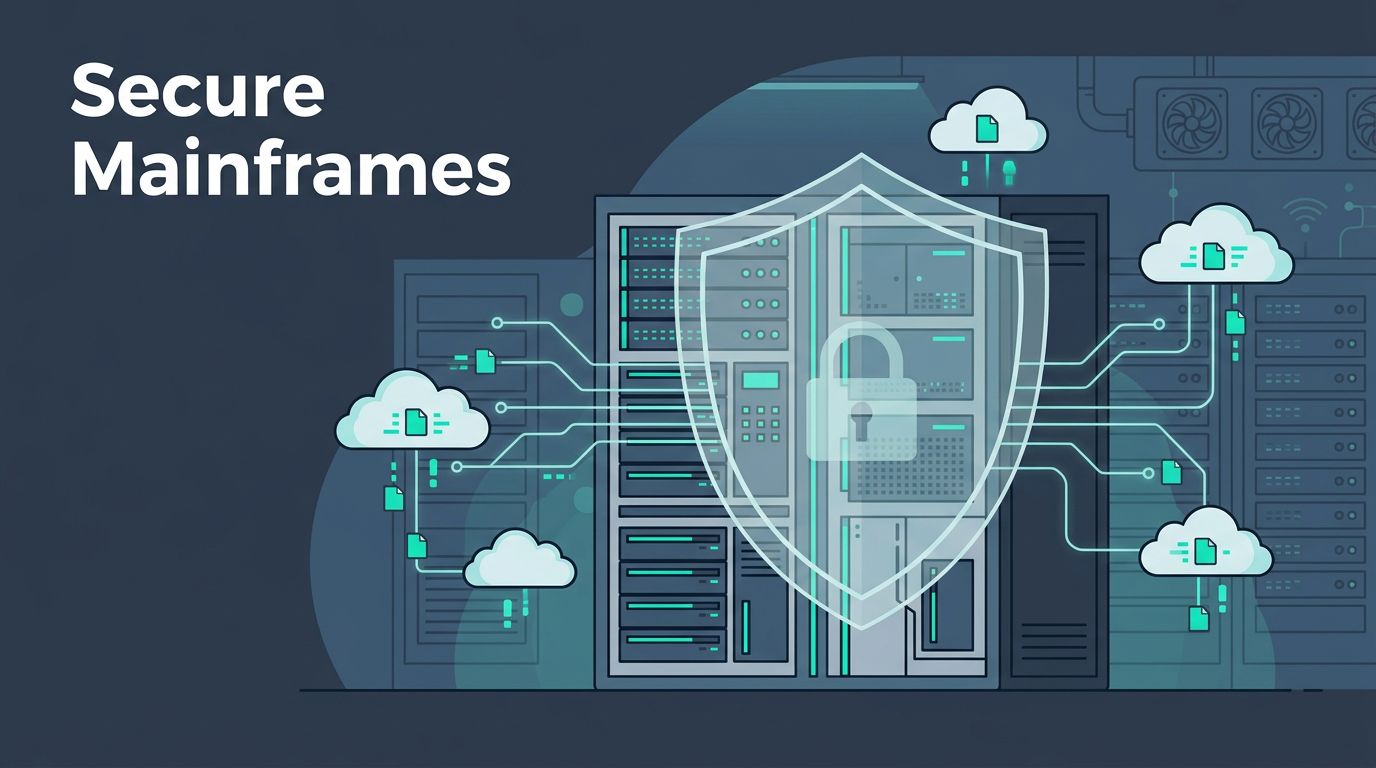
Legacy mainframes power 70% of Fortune 500 transactions. They process billions in payments and store critical data daily. Yet, many teams overlook them in modern exposure management.
You run hybrid environments. Mainframes sit alongside clouds, but legacy mainframe security gaps create blind spots. Attackers target weak spots like unpatched interfaces or over-privileged users. CTEM changes that. It scans continuously and prioritizes real risks.
This guide maps a practical path. You’ll get phased steps to secure mainframes without disruption.
Why Mainframes Demand Fresh Security Attention
Mainframes handle high-volume workloads. Banks rely on them for real-time fraud detection. Governments use them for citizen records. They are not relics; they deliver unmatched reliability.
Security teams often skip them. Vulnerability scanners focus on servers and endpoints. Mainframes use unique systems like z/OS. This leaves exposures hidden.
Consider RACF, ACF2, or Top Secret setups. Misconfigurations grant excessive privileges to service accounts. One admin profile with god-mode access spans years. Attackers exploit this for lateral movement.
Unencrypted data flows add risk. Mainframes exchange files via FTP or TN3270. No TLS means data in cleartext. Third-party software compounds issues. Vendors patch slowly, exposing APIs to injection attacks.
Incomplete asset visibility hurts most. You know the mainframe exists. But what about attached subsystems or virtual tapes? Without a full map, prioritization fails.
CTEM fits here. It discovers assets automatically. Then it scores risks by exploitability. Business impact weighs heavy, not just CVSS scores. Teams act on threats that matter.
Gartner notes 90% of breaches hit known vulnerabilities. Mainframes share this stat. Agentless scanning avoids downtime. You monitor traffic without agents.
In 2026, hybrid threats rise. Mainframes link to clouds via APIs. Secure those interfaces first. Firewalls block inbound, but outbound calls leak data.
Start with inventory. Tools parse SMF records for user activity. This reveals dormant accounts. Delete them to shrink attack surface.
CTEM Basics Tailored to Mainframe Risks
CTEM runs exposure management in cycles. It inventories, prioritizes, validates, and mobilizes. For mainframes, this beats annual audits.
Inventory phase maps everything. Mainframe tools ingest SYSLOG and SMF data. They spot subsystems like CICS or IMS. No manual spreadsheets.
Prioritization uses context. A high-severity flaw in a test region scores low. Production payroll system? Critical. Factor in exploit code availability and asset criticality.
Validation tests fixes. Simulate attacks on RACF profiles. Does the new rule block privilege escalation? Dual-run compares old and new configs.
Mobilization assigns owners. Tickets flow to mainframe admins or app teams. Track remediation with dashboards.
Mainframe CTEM tools integrate with IBM ZSecure. This IBM solution automates audits and alerts. Pair it with broader platforms for unified views.
Trend Micro pushes CREM for IBM Z. Their work combines risk data with frameworks like NIST. It predicts issues before exploits hit. Check their IBM infrastructure insights for details.
You gain speed. Manual reviews take weeks. CTEM cycles run daily. This catches changes from dev deploys or vendor updates.
Key Vulnerabilities in Mainframe Setups
Weak access controls top the list. RACF profiles often default to broad permissions. Users read all datasets. Fix this with least privilege rules.
Excessive privileges persist. Special profiles like OPERCOMS bypass checks. Audit them quarterly. Revoke unused ones.
Unencrypted flows expose data. JES2 spools print jobs in plain text. Switch to encrypted channels. Tools tokenize sensitive fields mid-transit.
Insecure interfaces draw fire. TN3270 emulators lack modern auth. Add MFA gateways. APIs to CICS regions run without rate limits. Wrap them in WAFs.
Third-party software lags. IMS connectors from 2010 miss patches. Virtual patching blocks exploits. SIEM ingests logs to detect anomalies.
Asset blind spots hide gems. Forgotten LPARS run old z/OS versions. Scanners miss them without protocol support. Use agentless methods to probe.
Real example: A bank suffered ransomware. Attacker pivoted via over-privileged TSO user. CTEM would flag that profile by impact score.
Zero Trust applies. Segment mainframes in enclaves. Verify every connection. MFA on jump servers cuts insider risks.
These issues stack in hybrids. Mainframe data feeds cloud lakes. Secure the pipe end-to-end.
Prioritizing Exposures in Legacy Environments
CTEM shines in prioritization. Generic CVSS ignores context. It flags a buffer overflow as critical, even on air-gapped systems.
Shift to exploitability. Does PoC code exist? Active campaigns? Weight by business fallout. Downtime on transaction engines costs millions hourly.
Mainframe specifics matter. Score RACF misconfigs high if they touch payment data. Low if dev-only.
Build risk formulas. Asset value multiplies vuln severity. Add exposure paths like API endpoints.
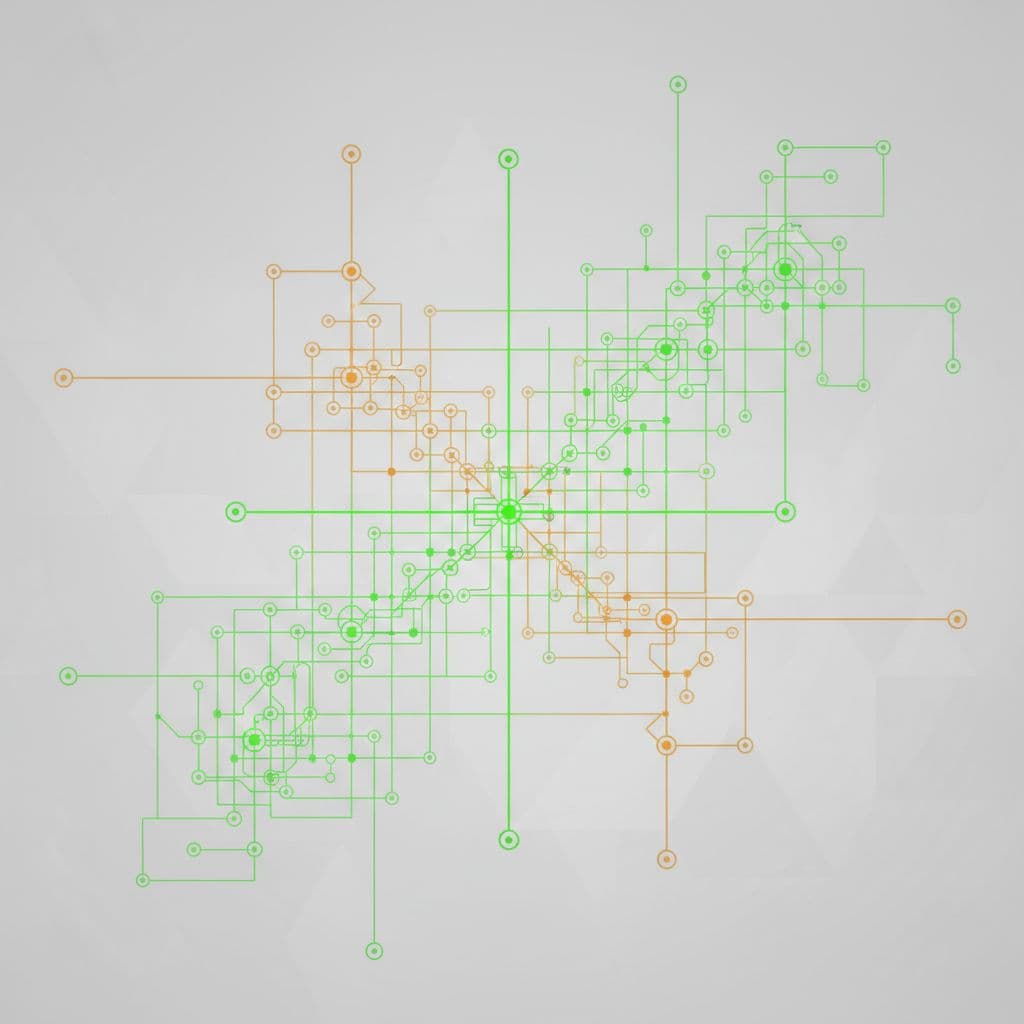
This visualization shows secure nodes in green against amber risks. Your dashboard should mirror it.
Automate with AI. Tools parse SMF for behavior baselines. Anomalies trigger reviews.
Cross-reference frameworks. Map to PCI-DSS for finance mains. NIST for gov.
Teams focus effort. Remediate top 10% first. This drops breach odds 80%.
In practice, a retailer prioritized API flaws. They blocked SQLi attempts pre-production. No breach followed.
A Phased Roadmap for Securing Legacy Mainframes
Roadmaps deliver results without big bangs. Phase by effort and impact. Start small, scale up.

This timeline captures progression. Green marks quick wins building to sustained ops.
Quick Wins in 30-90 Days
Inventory assets now. Run zSecure scans. List users, datasets, and interfaces.
Tighten access. Audit top profiles. Implement read-only for most. Enable SMF logging.
Add network controls. Deploy WAFs on TN3270. Block unused ports.
Monitor basics. Pipe SYSLOG to SIEM. Set alerts for failed logins.
These cut low-hanging risks. No code changes needed.
Medium-Term Improvements in 3-6 Months
Layer Zero Trust. Add MFA gateways. Segment with firewalls.
Encrypt flows. Tokenize PII in transit. Update third-party patches where possible.
Roll out CTEM pilots. Scan one LPAR fully. Prioritize by impact.
Test interfaces. Pentest APIs. Virtual patch gaps.
App teams own fixes. Security advises only.
Long-Term Operating Model Beyond 6 Months
Embed CTEM in ops. Daily cycles across all mains.
Modernize incrementally. API-wrap critical apps. Shift non-core to cloud.
Governance kicks in. Quarterly reviews. Cross-team SLAs.
Automate compliance. Tie to frameworks. Report to board.
This builds resilience. Mainframes stay core, secured.
Governance and Cross-Team Ownership
Security alone fails. Mainframe admins know systems. App teams own code. Involve all.
Assign owners per exposure. Use RACI matrices. Remediation owner commits dates.
Central dashboard unifies views. SecOps, IT ops, and business see risks.
Governance board meets monthly. Reviews top exposures. Approves budgets.
Policies enforce standards. No new RACF profiles without approval.
Training bridges gaps. Run red-team sims on mains.
This shares load. No silos.
Continuous Testing for Lasting Protection
Validation proves fixes work. Replay attacks post-remediation.
CTEM automates this. Asset changes trigger re-scans.
Pen tests quarterly. Focus high-impact paths.
Metrics track progress. Mean time to remediate under 30 days. Exposure score drops 50%.
Integrate with CI/CD for changes. Scan deploys pre-prod.
Agentless tools shine. No disruption.
In 2026, AI speeds this. Baseline normal, flag deviations.
Conclusion
Secure mainframes with CTEM roadmaps. Quick inventories and access tweaks yield fast gains. Phased efforts build to governed ops.
Prioritize by real impact. This beats severity chases. Teams collaborate for sustained wins.
Mainframes endure. Protect them right. Book a Discovery Call with Bud Consulting to map your path.