table of contents
Your SOC team gets hit with 10,000 alerts a day. Analysts spend hours on repetitive tasks. Response times stretch because tools don’t talk to each other. Sound familiar? These issues drain your budget and leave gaps in defense.
Many security leaders face this now. Tool sprawl grows fast. Manual workflows slow everything down. A security orchestration specialist can fix that by tying SOAR platforms into smooth operations. But hire too soon, and it’s wasted money. Wait too long, and risks pile up.
This post breaks down the signs. You’ll see when your organization needs that expert. Let’s spot the triggers first.
Spotting Alert Fatigue and Workflow Overload
Alert fatigue hits hard in busy SOCs. Your team ignores low-priority noise. Real threats slip by as a result. Studies show analysts handle up to 500 alerts daily, but only 10% need action.
Manual triage takes time. Each step involves switching tools. Check email, log into SIEM, update tickets. Hours vanish on busywork. Response times climb past 24 hours for simple incidents.
Consider a mid-sized firm with 50 employees in finance. They manage five security tools. Incidents resolve in days because playbooks stay in emails. A specialist would automate triage. SOAR platforms run checks and enrich data automatically.
Tool sprawl adds chaos. You add endpoint detection, then cloud security. Each generates alerts. No central view exists. Teams chase shadows instead of threats.
Hire when fatigue shows in turnover. Analysts burn out. You lose talent to competitors. Metrics tell the story too. If mean time to respond exceeds four hours, act.

This image captures the overload. One analyst faces data streams from mismatched tools.
Compliance pressure builds next. Regulations demand quick responses. Fines hit if you lag. A specialist builds automated workflows that log every step.
Measuring Tool Sprawl and Response Delays
Count your tools. Ten or more? Integration gaps create blind spots. Data silos form. Teams waste time on context switches.
Slower incident response costs money. A breach takes days to contain without orchestration. Costs run into millions per event. Automation cuts that time by 50% in mature SOCs.
Look at scaling operations. Your company grows 20% yearly. Threat volume doubles. Current staff can’t keep up. Hire when headcount rises but efficiency drops.
Real-world example: A SaaS provider with 200 users adds EDR and CASB. Alerts flood in. MTTR jumps from two hours to eight. They delay because budget tightens. Then a phishing wave hits. Containment fails.
Postpone if you run three tools max. Basic scripts handle flows. Your team focuses on high-value analysis.
But sprawl worsens with AI threats in 2026. New models generate sophisticated attacks. Tools multiply to counter them.
For details on SOAR benefits, check TechTarget’s guide to streamlining SecOps with workflows. It covers alert prioritization and error reduction.
The Operational Value of Dedicated Expertise
A security orchestration specialist owns SOAR setup. They connect tools. Build playbooks. Test automations. Your SOC runs faster as a result.
Expect 30% gains in efficiency. Repetitive tasks automate. Analysts shift to investigations. One specialist handles playbook libraries for 20 tools.
They spot gaps too. Custom integrations fix vendor limits. Data flows seamlessly between SIEM and ticketing.
In 2026, AI assists but doesn’t replace them. Tools like generative AI enrich alerts. Humans tune models. Ensure outputs fit your environment.
Teams with specialists respond in under an hour. Without, delays compound. ROI shows in six months. Reduced overtime pays the salary.

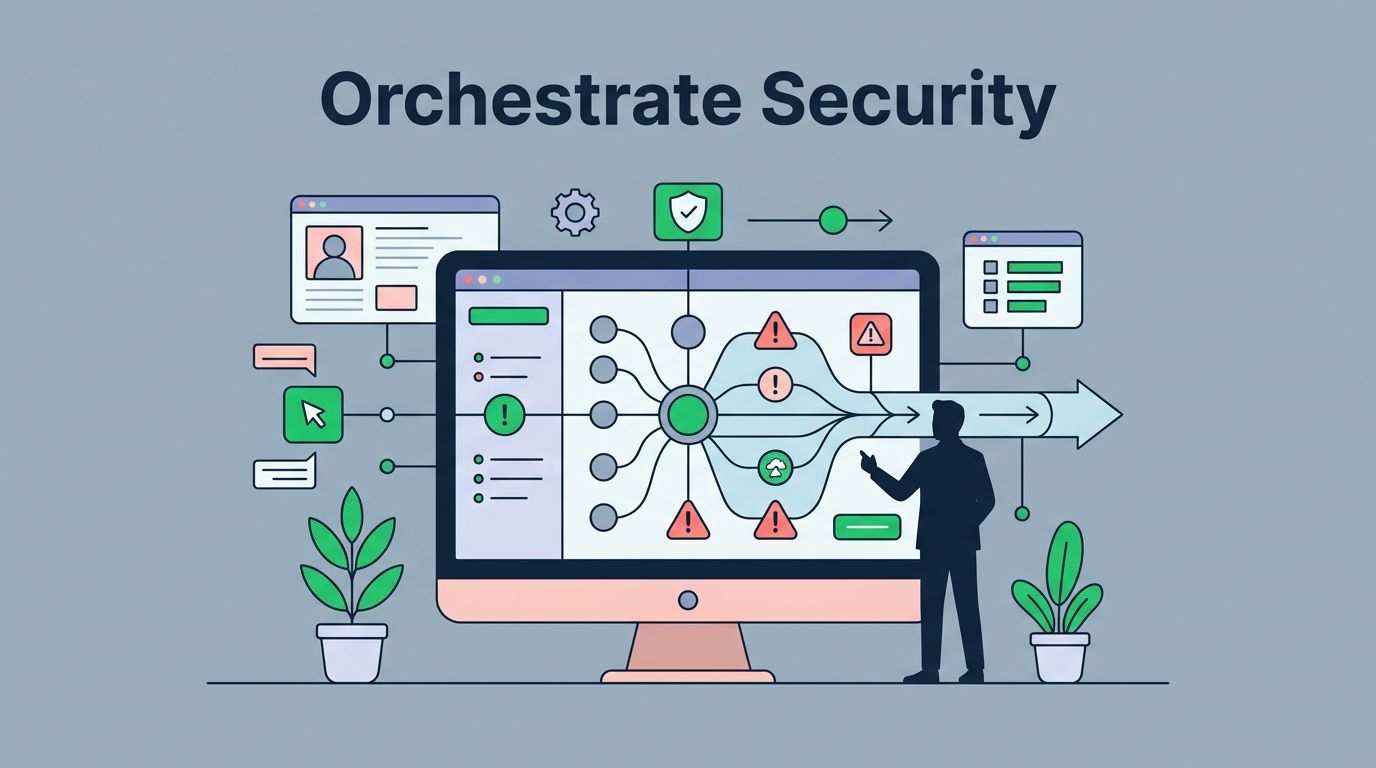
Here, collaborators review a unified dashboard. Flows connect without friction.
See Cybertrust on SOAR automation benefits. It highlights faster MTTR and focus on strategy.
When Your Organization Needs One Now
Startups under 50 people often wait. They use off-the-shelf SOAR with basic configs. MSSPs handle spikes.
Scale-ups hit limits first. 100-500 employees mean more endpoints. Cloud migration adds tools. Hire if you run hybrid setups.
Enterprises always need them. Global ops demand 24/7 coverage. Compliance like GDPR forces audits. One specialist per 10 analysts works.
Triggers include recent breaches. Post-incident reviews show manual errors. Tool gaps exposed.
Budget signs matter. Security spend tops 15% of IT. Yet MTTR stays high. Redirect funds to expertise.
Financial firms face this soonest. Regulators watch response times. Healthcare follows with patient data rules.
How AI in 2026 Shifts the Hire Timeline
AI changes SOCs fast. Tools auto-triage 70% of alerts now. But false positives persist. Specialists validate AI outputs.
In May 2026, platforms predict threats better. Orchestration experts integrate them. Chain AI with legacy tools.
Don’t delay. AI amplifies sprawl. New models need custom playbooks. Hire to stay ahead.
Small teams adopt AI-first SOAR. Larger ones need tuning. Read Mycroft’s take on SOAR implementations for MTTR gains and pitfalls.
Postpone only if AI handles 80% of workflows. Most can’t yet.
Key Takeaways
Alert fatigue, tool sprawl, and slow responses signal hire time. Mid-sized firms growing fast need specialists most. AI helps but demands human oversight in 2026.
Assess your metrics today. If MTTR exceeds goals, build that role. Your SOC strengthens as a result.
Ready to evaluate? Book a Discovery Call with Bud Consulting. They match talent to gaps like this.