table of contents
IoT devices power factories, hospitals, and smart buildings. Yet, many sit unmanaged and exposed. Hackers target them because updates often fail, and visibility stays low.
You face fragmented inventories and legacy firmware that patches ignore. Traditional scans miss these risks. A CTEM IoT roadmap changes that. It runs continuously to spot, prioritize, and fix exposures.
This guide shows you how to build one. Start with core stages, then follow phased milestones for real results.
CTEM Basics Applied to IoT Devices
CTEM stands for Continuous Threat Exposure Management. It cycles through five steps: scoping, discovery, prioritization, validation, and mobilization. Gartner introduced it in 2022. By 2026, it helps firms cut breach risks threefold.
For IoT, scoping means picking high-value assets first. Think medical pumps or industrial sensors. These hold sensitive data or control critical ops.
Discovery finds hidden devices. Networks hold over 21 billion IoT gadgets now. Many lack oversight. Tools scan constantly for unknowns.
Prioritization ranks threats by exploit odds and impact. Use EPSS scores for that. Validation tests fixes with safe simulations. Mobilization automates responses.
IoT adds twists. Devices run light firmware. OTA updates hit limits on old models. Third-party parts hide vulnerabilities without SBOMs.
Standards help. NIST SP 800-213 covers IoT basics. IEC 62443 targets industrial control. ETSI EN 303 645 sets consumer rules. They guide secure design.
A CTEM roadmap integrates these. You gain visibility across IT and OT networks. Teams act faster on real threats.
IoT Security Challenges CTEM Solves
IoT environments grow chaotic. Fragmented inventories mix managed and shadow devices. Unmanaged assets join networks without checks.
Legacy firmware resists patches. Many devices predate modern crypto. Third-party components lack SBOM visibility. You can’t track risks in chips or libraries.
OTA patching fails on battery-powered units. IT/OT convergence blurs lines. Factory sensors talk to cloud apps, expanding attack paths.
Hackers exploit this. Botnets like TurboMirai launch massive DDoS from weak IoT. Spying hits unencrypted traffic.
CTEM tackles these head-on. Continuous discovery maps all assets. Prioritization focuses on reachable exposures.
For example, segment IoT into zones. Block east-west traffic by default. Zero Trust verifies each connection.
Monitor behavior with AI. Tools flag odd patterns, like a camera phoning home unexpectedly.
Regs push action. EU CRA and NIS2 demand visibility. CISA CPG 2.0 requires quick fixes. Fines follow lapses.
CTEM delivers outcomes. Blast radius shrinks. Response times drop.
The Five Stages of Your CTEM IoT Roadmap
Build your roadmap around Gartner’s cycle. Each stage feeds the next. Repeat weekly or daily for tight control. Check the five stages of CTEM for details.
Scoping defines targets. List crown jewels: revenue-critical devices or patient monitors. Align with business impact. Skip low-risk lights.
Discovery hunts assets. Use RMM and ASM tools. Scan networks 24/7. Find internet-facing IoT outsiders.
Prioritization scores risks. Factor exploit likelihood, reachability, and controls. Set SLAs, like fix criticals in 7 days.
Validation proves defenses. Run red-team sims on top exposures. Confirm patches hold.
Mobilization acts. Automate OTA where possible. Alert teams for manual fixes. Track remediation.
In IoT, adapt for constraints. Classify devices by patchability. Retire unfixables.
Integrate SBOMs early. Demand them from vendors. Track components against CVEs.
This cycle tightens over time. Scoping sharpens. Fixes speed up.

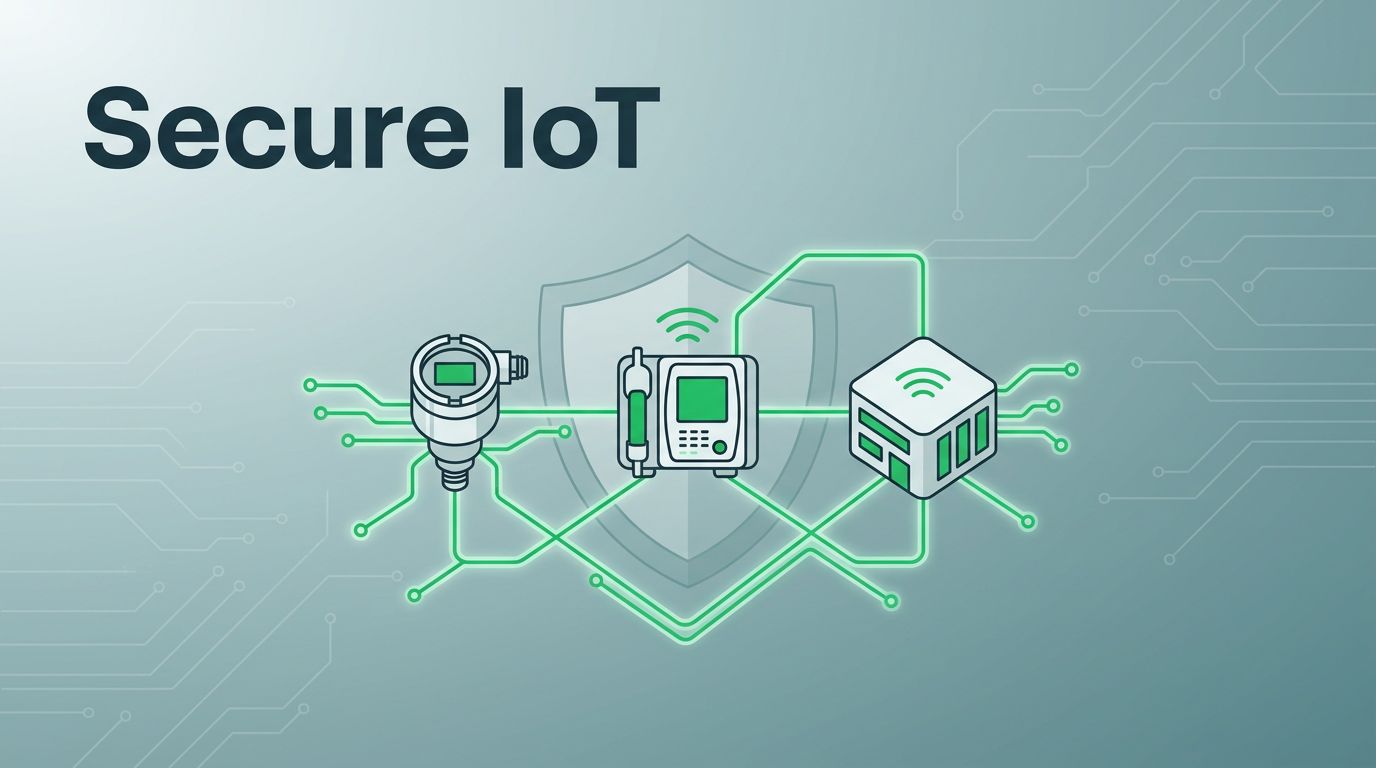
This illustration shows the loop in action. Nodes represent devices. Lines show data flow.
Phased Milestones for CTEM IoT Adoption
Roll out in stages. Match your maturity. New teams start basic. Mature ones automate fully.
Days 1-30: Inventory and Baseline
Map everything. Deploy RMM like ConnectWise. Scan for unmanaged IoT. Build a dashboard.
Classify assets. Tag by criticality and type. Check for legacy firmware.
Quick win: Segment networks. Use VLANs for IoT isolation.
Goal: 90% asset visibility. Measure unknown devices dropping.
Days 31-90: Prioritize and Validate
Score exposures. Pull EPSS and KEV data. Focus top 20.
Test fixes. Simulate attacks on samples. Validate OT network segments.
Add monitoring. Pipe logs to SIEM. Set AI anomaly alerts.
By end, remediate 50% criticals. Track mean time to prioritize under 24 hours.
Days 91-180: Mobilize and Scale
Automate responses. OTA patches for supported devices. Auto-quarantine suspects.
Integrate IT/OT. Use XDR for unified views.
Decommission risks. Replace unpatchables.
Audit compliance. Align with IEC 62443.
Target: 80% auto-remediation. Breaches near zero from known exposures.
| Phase | Focus | Key Metric | Tools |
|---|---|---|---|
| 1-30 Days | Inventory | 90% visibility | RMM, ASM |
| 31-90 Days | Prioritize/Validate | 50% critical fixes | EPSS, sim tools |
| 91-180 Days | Mobilize | 80% automation | XDR, OTA |
This table summarizes actions. Adjust based on size.
Extend beyond 180 days. Quarterly reviews refine the cycle.
Tools and Frameworks to Accelerate Progress
Pick tools that fit IoT quirks. RMM handles remote management. ASM spots external exposures.
Vectra AI watches behavior. SIEM/XDR correlates logs.
For standards, use CSA IoT Security Controls. It maps controls to domains like incident response.
Palo Alto explains CTEM alignment in their CTEM guide. Scope by business tiers.
NIST aids federal compliance. ETSI fits consumer gear.
Start small. Integrate one tool per phase. Test in pilots.
Vendor demands matter. Require signed firmware and mutual TLS.
Measuring Outcomes in Your CTEM Roadmap
Track metrics that count. Asset coverage hits 95%. Mean time to remediate drops below 14 days.
Breach attempts fall. Use threat intel feeds.
Maturity levels guide. Level 1: Basic inventory. Level 5: Full automation.
Quarterly reports show progress. Tie to KPIs like downtime avoided.
Validate with external audits. Simulate attacks yearly.
Adjust for 2026 trends. AI evolves threats. Stay ahead.
Key Takeaways for CTEM IoT Roadmaps
CTEM roadmaps turn IoT chaos into control. Focus on continuous cycles over one-off scans.
Phased milestones deliver quick wins. Inventory first, then automate.
Challenges like legacy gear and SBOM gaps yield to prioritization.
Standards provide guardrails. Tools make it real.
Bud Consulting helps teams build these roadmaps. Book a Discovery Call with Bud Consulting to assess your setup.
Your devices stay secure. Risks shrink. Operations run smooth. Start today.