table of contents
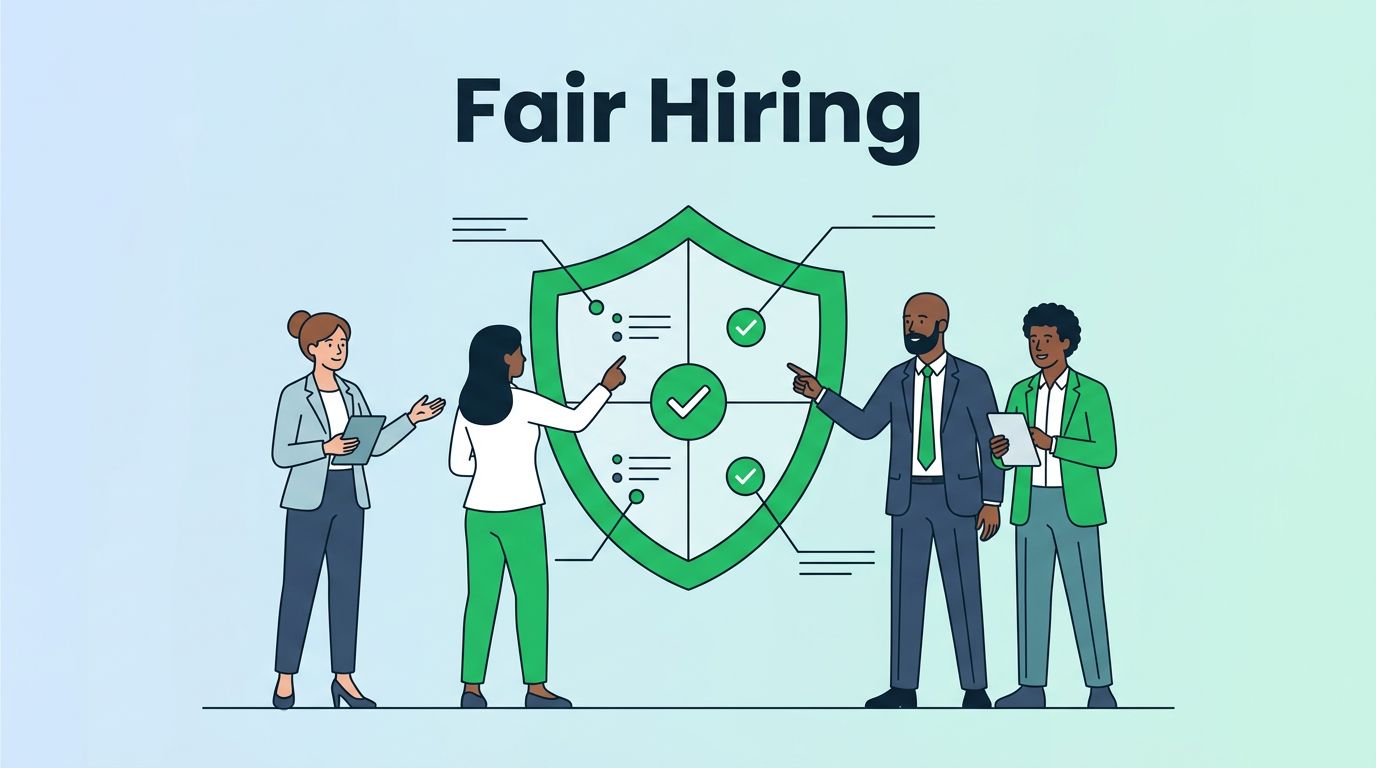
Hiring for cybersecurity roles often feels like a guessing game. You might rely on gut feelings or familiarity with a candidate’s background, yet these quick judgments frequently introduce hidden bias. When you prioritize a security interview process built on objective data rather than instinct, you build a stronger, more diverse team.
Unconscious bias creeps into hiring when evaluation criteria remain vague. If you don’t define what success looks like for an incident responder or a security engineer, your team will default to hiring people who look or think like the current staff. By moving toward a structured, evidence-based approach, you replace assumptions with verified skills.
Defining Core Competencies for Success
Before you post a job description, identify the specific outcomes required for the role. Avoid generic lists of “must-have” certifications that don’t reflect daily reality. Instead, map out the technical challenges the person will face in their first year.
For a detection engineer, consider whether they need to write custom detection rules or manage a large-scale SIEM environment. If you need a GRC analyst, focus on their ability to translate complex audit requirements into readable reports. When you clearly define the measurable success criteria, you provide interviewers with a shared standard. This reduces the urge to score candidates based on their alma mater or past employer.
Standardizing Your Evaluation Rubrics
A structured evaluation rubric is your best defense against interviewer bias. Without one, interviewers often grade based on how much they “enjoyed” the conversation. A standardized guide forces everyone to focus on the same core competencies, ensuring consistent feedback across every candidate interaction.

Create a simple grid for each interview stage. Assign points or rankings to specific technical tasks, such as diagnosing a mock incident or explaining an encryption protocol. If an interviewer cannot justify a score using the rubric, the score likely stems from personal opinion rather than actual capability. You can mitigate unconscious bias by training your team to document their reasoning for every score they provide.
Implementing Blind Technical Screenings
The initial review of resumes often triggers bias based on names, locations, or companies. Many firms now use blind recruitment tools to mask identifying information during the early stages. If you can’t use specialized software, assign a recruiter or a team member to scrub personal details from resumes before they reach the hiring manager.
Focusing on the work sample is always more effective than interpreting a CV. Give candidates a small, relevant task that mirrors the daily work of a security analyst or cloud security architect. Use automated testing platforms to grade these samples objectively. When your first interaction with a candidate is their actual output, you filter for skill rather than pedigree.
Structuring the Interview Experience
Consistency is the enemy of bias. Every candidate for a specific role should face the same set of questions in the same order. This prevents “interview drift,” where an interviewer asks a difficult question to one person and an easy one to another based on personal rapport.
Invite multiple team members to participate in the process. When you have several interviewers, the risk of one person’s bias excluding a qualified individual decreases significantly. Each interviewer should focus on a different competency from your rubric. After the session, the team should meet to compare notes and evidence. If you need expert guidance on how to organize these sessions effectively, you can Book a Discovery Call with Bud Consulting to refine your strategy.
Creating a Consistent Debriefing Practice
The final decision should rely on the collected data, not on the loudest voice in the room. Schedule a debriefing session shortly after the final interview concludes. During this meeting, force the team to share their scores against the rubric before discussing their subjective feelings.
Ask each interviewer to provide evidence for their assessment. If someone says a candidate “doesn’t seem like a good culture fit,” push back. Ask what specific behaviors or skills triggered that concern and whether those criteria were part of the initial job requirements. This practice holds the team accountable and exposes patterns of bias that might otherwise go unnoticed.
Tracking and Iterating Your Process
You won’t eliminate bias overnight, but you can track your progress. Monitor the pass rates at each stage of your funnel for different demographic groups. If you see a large drop-off at a specific interview stage, that is a signal to re-examine your questions or your evaluators.
Treat your hiring data with the same scrutiny you apply to security logs. If your hiring process results in a homogenous team, look at your sourcing channels and your initial screening criteria. Small, incremental changes in how you source and evaluate candidates often lead to significant improvements in team diversity and overall technical capability.
Managing Candidate Communication Fairly
How you communicate with candidates also impacts your reputation and the fairness of your process. Use templates to ensure every candidate receives the same information regarding the interview format, expectations, and timelines. Avoid informal chats that lead to “off-the-record” conversations where candidates get different levels of support.
Transparency builds trust. When candidates know what to expect, they perform better and feel more respected. Clear communication also reduces the likelihood of hiring managers favoring candidates who happen to be more socially compatible with them. Stick to the scheduled format, provide prompt updates, and remain professional in every interaction.
Final Thoughts
Building a fairer hiring pipeline requires intentional effort and a commitment to objective measurement. By focusing on defined competencies, using standardized rubrics, and removing identifiable data from early screens, you create a process that rewards talent. Your team will benefit from a wider range of perspectives, which is a major advantage in solving complex security problems.
Keep your evaluation criteria focused on real-world outcomes rather than credentials. Regularly review your data to identify and address hidden gaps in your process. When you remove bias, you aren’t just finding better candidates; you are building a stronger, more capable organization.