table of contents
Urgent security needs often strike when you have the least capacity to handle them. Perhaps a sudden audit requirement lands on your desk, or a critical vulnerability demands an immediate, specialized response. You need extra hands, but you cannot afford the months-long timeline of traditional full-time hiring.
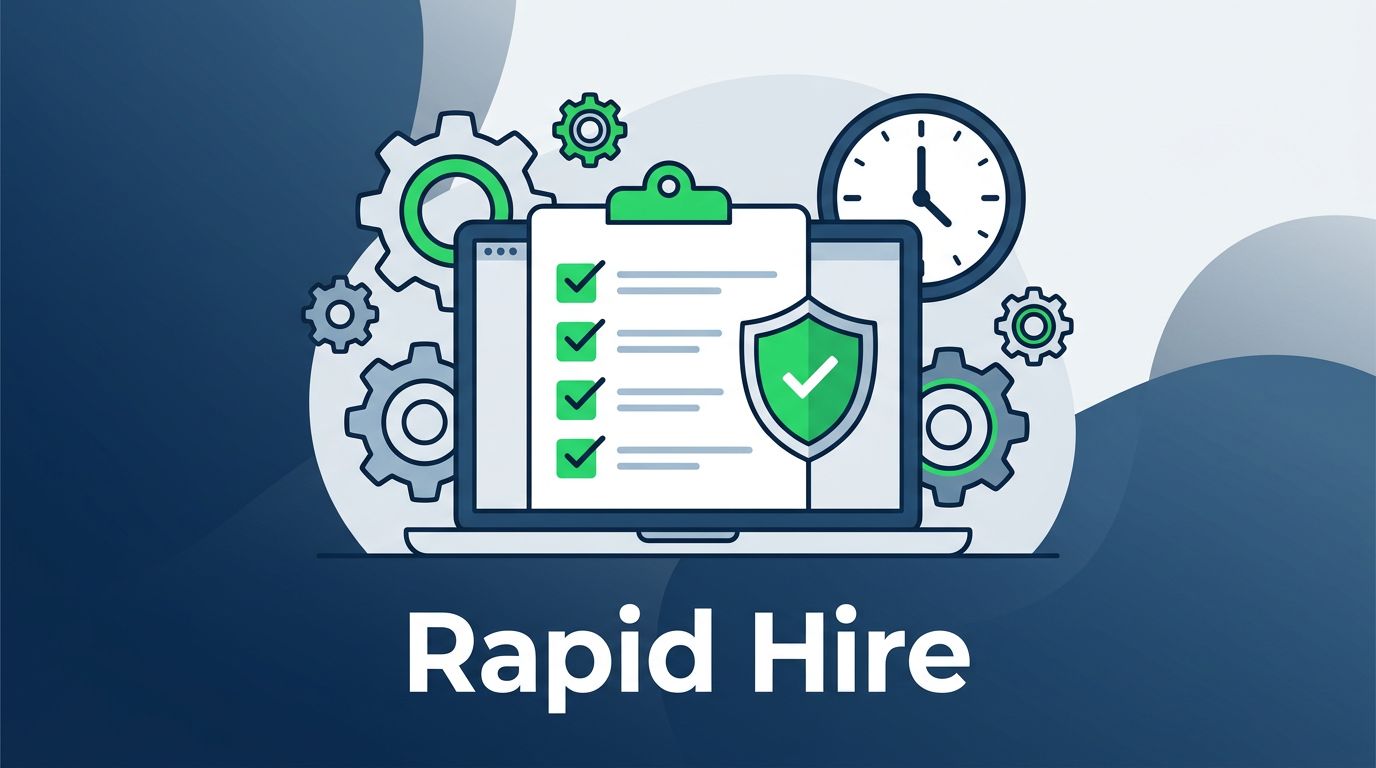
When you need to hire security contractors for short-term project bursts, speed is your primary goal, yet technical rigor remains non-negotiable. If you compromise on vetting to fill a seat faster, you risk creating more security gaps than you solve. You must strike a balance between rapid deployment and strict due diligence.
Define Your Technical and Compliance Requirements
Before you reach out to agencies or consultants, clearly define exactly what the contractor must do. Start by outlining the core technical skills, such as expertise in cloud architecture, application security, or specific compliance frameworks like NIST or ISO 27001. Ambiguous job descriptions lead to mismatched candidates and wasted hours.
You also need to clarify the regulatory environment. For example, if your systems process sensitive data, you might need someone who is already familiar with CJIS or HIPAA standards. Explicitly list these requirements in your initial brief. For additional guidance on how to manage these rapid-deployment teams, look into building a contract security team fast.
Check your local legal and licensing rules early in the process. Depending on your jurisdiction and the nature of the security work, you may need specific certifications or insurance coverage. Assuming you can skip these steps because the contract is short is a common mistake that causes significant delays during the onboarding phase.
Assessing Technical Fit and Availability
Once you have your requirements, focus on verifying the candidate’s ability to hit the ground running. Ask for specific examples of past projects where they solved similar problems under tight deadlines. A strong contractor knows their tools and can explain their methodology clearly without needing extensive hand-holding.

Gauge their availability accurately. Some contractors handle multiple clients at once, which might limit their focus on your project. If you require full-time attention for a specific burst, ensure the contract reflects this commitment. If you are struggling to find the right talent, you might want to book a Discovery Call with Bud Consulting to explore specialized recruitment options.
Effective communication is another key indicator of fit. During the interview, pay attention to how they interact with your team. They need to integrate into your existing workflows quickly. If they seem hesitant or rely too heavily on jargon rather than practical solutions, consider another candidate. You need a partner, not a passenger.
Managing Liability and Confidentiality
Security work carries inherent risk, especially when you bring outsiders into your environment. Protect your organization by requiring professional liability insurance from any individual or firm you contract. Clarify the insurance requirements in the initial conversation, as obtaining proof of coverage can take time.
Confidentiality remains a major concern during short-term engagements. Ensure the contractor signs a robust non-disclosure agreement that specifically addresses your data and internal processes. If the project involves access to sensitive systems, strictly manage their credentials. Follow the principle of least privilege, providing access only to what they need for their specific tasks.
Document every agreement in a written contract. This document should cover the scope of work, clear milestones, payment terms, and procedures for offboarding. Do not allow informal or verbal agreements to stand. A clear contract serves as your primary tool for managing expectations and resolving any disputes that might arise during the project.
Efficient Onboarding and Project Integration
Speed-to-hire is useless if the contractor spends two weeks waiting for system access. Prepare their accounts, credentials, and access permissions before their start date. If they need hardware or specific software licenses, order them in advance so they have everything on day one.
Assign a dedicated internal mentor or point person for the first few days. This individual should explain your security culture and specific tools you use. For a deeper look at the importance of this alignment, read how a state agency built a cyber-ready team in a compressed timeframe.
Schedule short daily check-ins to monitor progress and remove any roadblocks. Since the engagement is short, you cannot afford to let minor misunderstandings fester. If the contractor isn’t meeting milestones or seems to lack the necessary expertise, act quickly to address the gap. You might even consider having a backup candidate in mind if the project is exceptionally high-stakes.
Handing Off and Managing Offboarding
Projects eventually conclude, and your offboarding process should be as rigorous as your onboarding. Before the contract ends, schedule a transition meeting to ensure all documentation, code, or findings are handed over to your internal team. Do not wait for the final day to begin this process.
Verify that all access credentials provided to the contractor are revoked immediately upon project completion. Change passwords and review system logs to ensure no residual access remains. This step is a critical component of maintaining your security posture after the project concludes.
Finally, conduct a brief retrospective with your internal team. Ask what worked well and what could be improved for the next time you need to hire security contractors. Keep a list of reliable partners and individual contractors who performed well. Building your own network of trusted, pre-vetted professionals will make your future hiring efforts significantly faster and more reliable.
Final Thoughts
Success in hiring temporary security talent comes down to preparation and firm standards. By defining your needs clearly, verifying qualifications before the contract starts, and planning your offboarding, you reduce risk without sacrificing the speed your project demands. Treating the hiring process as a repeatable, structured operation helps you bridge technical gaps and keep your organization secure, even when deadlines are tight. Keep your focus on these fundamentals, and you will maintain control over your security outcomes.