table of contents
Standard security audits often provide a false sense of security. You might run automated vulnerability scans or penetration tests against your systems, receiving a green light from your dashboard. However, a clean report only means your systems aren’t vulnerable to generic, automated attacks. It rarely tells you if a disgruntled employee or a compromised vendor account could access restricted financial data or delete production backups.
Security testing that ignores how people actually interact with your systems is inherently incomplete. Your infrastructure, software, and cloud environments aren’t just technical entities. They are tools used by specific people with defined sets of permissions and daily responsibilities. If your testing strategy fails to account for these human-centric workflows, you leave critical gaps wide open.
Bridging the Gap Between Testing and Workflow
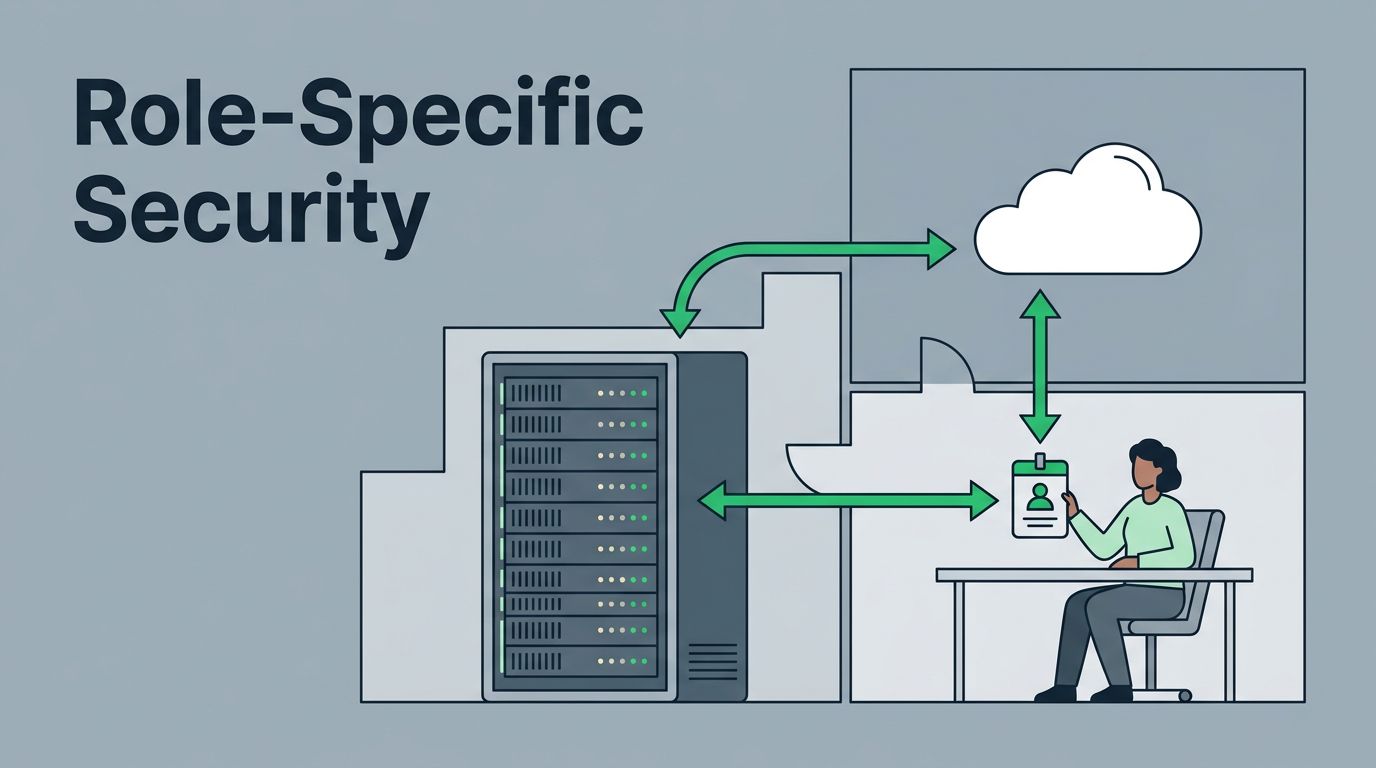
Most technical tests measure system hardness in a vacuum. They assume an attacker is an external entity trying to break through a firewall. While perimeter defense is vital, internal threats and compromised accounts are a different challenge. You need to transition toward role-specific security testing to identify how individual permissions can be abused.

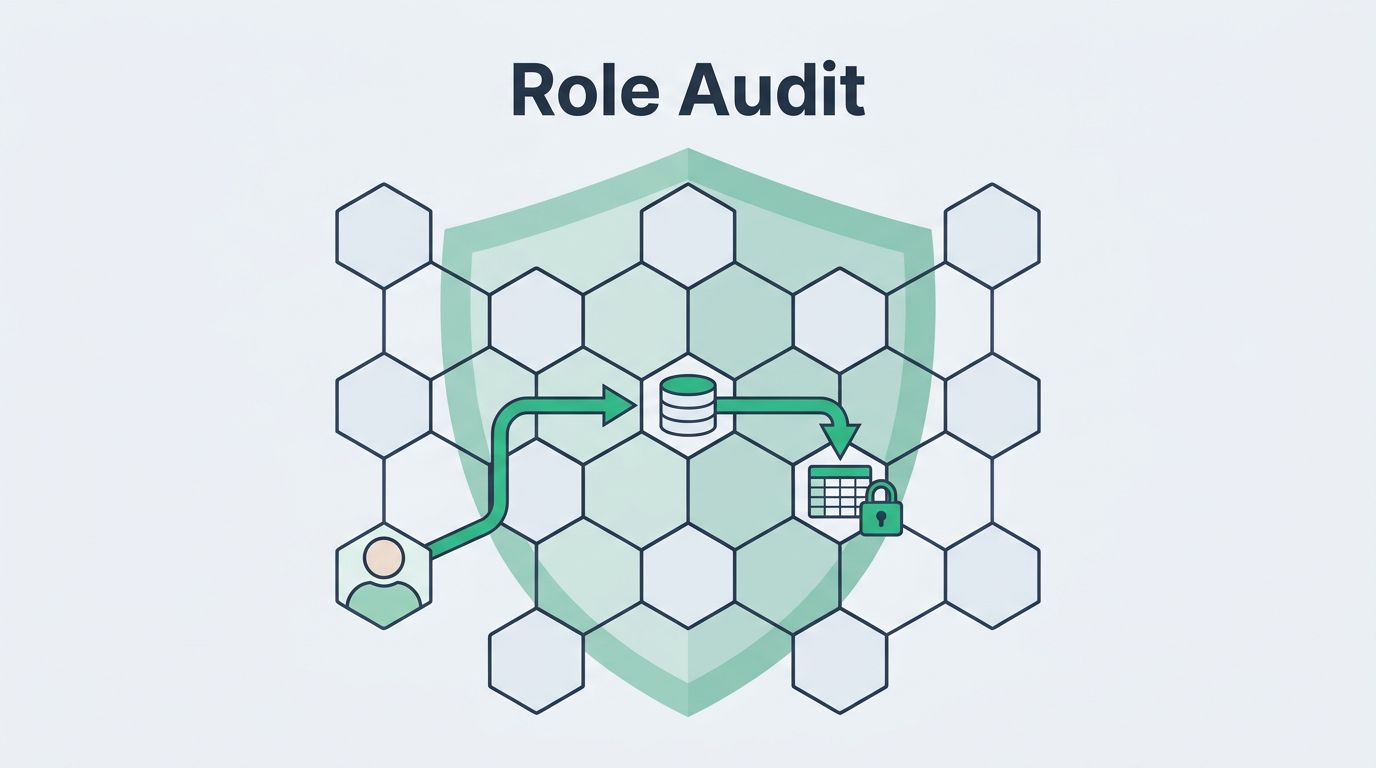
When you test based on roles, you look at what a person can do rather than what a machine can block. For example, a customer support representative needs to see transaction IDs but should never see full credit card numbers. A generic test might see that the database is secure, but a role-specific test confirms that a support user cannot use an API call to export a CSV of customer records.
Effective security relies on knowing the context of every user action. For insights into managing these complex permissions, see Role-Based Access Control Explained for Modern Security. When you fail to simulate these specific attack paths, you assume that your identity management layer is functioning as intended. Real-world testing proves whether that assumption holds up under pressure.
Identifying Hidden Risk Through Behavioral Realism
Technical validity is not the same as behavioral realism. A penetration test might find that a server is patched against the latest remote code execution vulnerability. That is technical validity. However, behavioral realism asks whether an intern with read-only access can inadvertently change a configuration file because of a sloppy permission inheritance setup.
These gaps often hide in the spaces between IT systems. You might have a secure application, but if that app allows a user role to change their own email address without an approval workflow, you have a security failure. Traditional scanners miss this because they look for software bugs, not business process flaws.
Focusing on these nuances allows your security team to stop guessing where risks lie. Instead of reacting to broad alerts, you can prioritize remediation based on actual business exposure. If you find your current testing methods leave too many unanswered questions about internal risks, you might want to Book a Discovery Call with Bud Consulting to evaluate how your current defense strategy handles these scenarios.
Moving Beyond Generic Compliance Checks
Many organizations rely on annual compliance audits to dictate their testing cadence. These frameworks are useful, yet they frequently prioritize broad coverage over deep, role-based scrutiny. A compliance report might confirm your policies are written down, but it won’t prove that your access control matrices are actually enforced in production.
Testing for compliance is a checkbox exercise. Testing for roles is a security exercise. You should map every role to its required actions before running any simulation. For a structured approach to this, refer to the RBAC Testing Checklist: The Essential Guide for Secure Access Control. This creates a clear standard for what should be allowed versus what must be blocked.
| Testing Type | Primary Focus | Security Outcome |
|---|---|---|
| Generic Scanning | System vulnerabilities | Perimeter defense |
| Role-Specific Testing | User permission scope | Internal threat containment |
| Compliance Auditing | Process documentation | Regulatory alignment |
When you treat testing as a way to validate business processes, your reporting to leadership becomes much more actionable. You stop reporting on “number of vulnerabilities found” and start reporting on “potential data exposure by business unit.” Executives care about business risk, not just CVE counts.
Creating Actionable Results for Your Team
Role-specific security testing forces you to define what “normal” looks like for every part of your company. This documentation is inherently valuable. If you cannot describe what an accountant should be doing in your cloud infrastructure, you cannot possibly secure them against an attack.
Once you have defined these roles, automated testing becomes much more powerful. You can script simulations that attempt to perform unauthorized actions for each specific role. For detailed guidance on building these tests, see QA Testing Role-Based Access Control (RBAC) for Secure Applications. This approach shifts your security team from finding bugs to validating access.
This shift also improves your training programs. When you identify that the marketing department frequently falls for a specific type of phishing attack related to their role, you can design training that is actually relevant. Generic security awareness training often gets ignored because it lacks connection to daily tasks. Tailored scenarios, however, capture attention and drive real behavior change.
Reducing False Confidence
Over-reliance on generic testing creates a culture of complacency. If your dashboard stays green all year, it is easy to assume your security posture is strong. This false confidence is a major liability. It prevents you from seeing the slow, quiet accumulation of permission sprawl that happens as employees change departments or get new tools.
Realism is the antidote to complacency. When you start simulating actual attacks—such as a compromised junior developer account trying to escalate privileges in a staging environment—you will find the gaps. You will also find that your existing tools often give you more visibility than you realized. You just need to point them at the right problems.
Establishing a Mature Security Culture
Developing a culture of security requires moving away from the “us versus them” mentality between IT and the rest of the business. When security teams take the time to understand the workflows of sales, operations, or finance, they become partners instead of roadblocks. This collaboration builds trust and makes security a shared responsibility rather than a siloed department.
Your security strategy should reflect your company’s actual operations. If your testing does not evolve to keep pace with how your people use your technology, it is merely keeping you busy while the real risks grow. Start by selecting one critical business process and mapping the permissions required to complete it. Test that path rigorously. Then move to the next.
This iterative approach builds momentum. You will gain a deeper understanding of your environment with every test. You will also find that security becomes easier to explain to non-technical stakeholders because it is grounded in their own work processes. Security is a business requirement, and aligning your technical tests with organizational reality is the only way to satisfy that requirement.
Final Thoughts
Technical security tests provide value, but they are not sufficient on their own. By ignoring the role-specific context of your systems, you risk missing the very threats that cause the most damage. Security is about understanding how people, processes, and technology intersect. When you align your testing with actual user workflows, you create a stronger, more transparent, and more defensible organization. Stop measuring system hardness alone and start measuring your actual risk profile. Your security is only as strong as the weakest permission set assigned to your most critical users. Focus on those roles first, and the rest will follow.