table of contents
High-stakes security projects like major compliance audits, cloud migrations, or incident response efforts often push technical teams to their limit. You need to deliver results under tight deadlines, but the human cost of these initiatives is often overlooked. When your engineers are constantly firefighting or dealing with complex, manual tasks, security team burnout becomes a significant business risk that threatens the success of the project itself.
Managing this requires more than just telling people to take breaks. It demands intentional leadership, clear communication, and operational guardrails that protect your staff while keeping the project on track. As a leader, your role is to balance the urgency of the mission with the long-term health of the people performing it. If you are struggling to maintain this balance, you can Book a Discovery Call with Bud Consulting to discuss how to optimize your operations.
Prioritizing Sustainable Workloads
The most effective way to prevent exhaustion is to manage the daily workload actively. When a project demands extra hours, use data to understand what your team is actually doing. If they spend most of their day on repetitive, manual tasks, the project is likely under-resourced or poorly automated. For deeper insight into how to manage these pressures, learn how CISOs can protect their teams by setting realistic expectations with stakeholders.
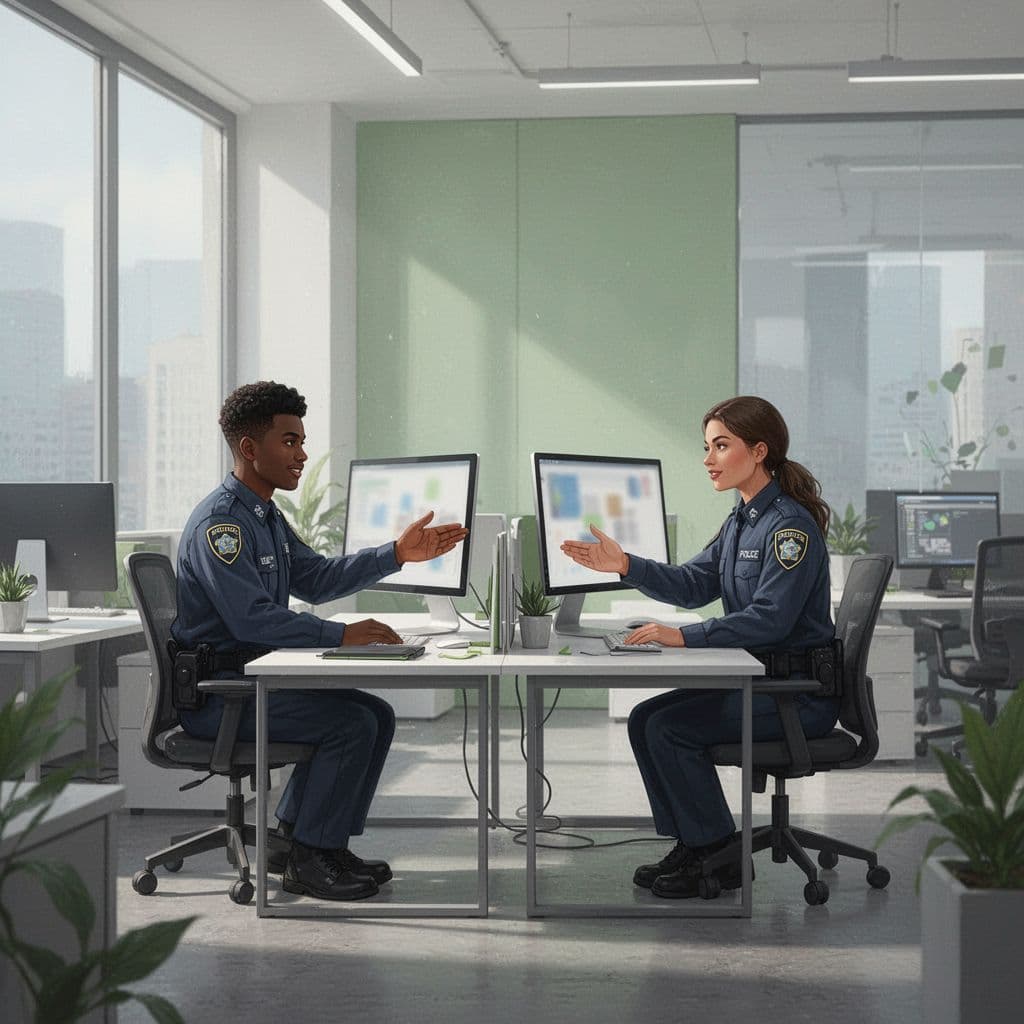
Delegate tasks based on individual strengths rather than availability. Empower your engineers to take ownership of specific project components. When you trust your team to operate independently, you reduce the need for constant, stressful oversight. You should also maintain a sustainable talent pipeline. If you notice persistent gaps in your technical capabilities, it is often more effective to bring in specialized help than to force your existing team to work overtime.
Setting Clear Expectations and Boundaries
Ambiguity breeds anxiety. During high-pressure projects, clarify exactly what success looks like and which tasks are low-priority. If everything is an emergency, then nothing is. Establish clear protocols for incident response that define when someone must be alerted versus when an issue can wait until the next morning. Improving on-call scheduling is a practical step that gives team members space to disconnect completely.

Meet with business stakeholders early to set boundaries. If they know the risks of pushing a team beyond capacity, they are often more willing to adjust deadlines or scope. Use a tiered escalation approach for alerts to keep the team focused on critical threats. When team members understand exactly when they are “on” and when they are “off,” their morale improves significantly. Protect their time by limiting unnecessary status meetings, allowing them to focus on high-impact work.
Managing Staffing and Shift Rotations
When projects require 24/7 coverage, shift rotation is not optional. Avoid relying on the same few people to handle every critical issue. This quickly creates a single point of failure and accelerates fatigue. Build a rotation schedule that distributes the burden evenly across the team.
Use the following table to help structure your team rotation and project communication:
| Role | Responsibility | Communication Channel |
|---|---|---|
| Project Lead | Strategy and stakeholder updates | Weekly executive brief |
| On-Call Engineer | Incident response and critical bugs | Dedicated Slack/Teams channel |
| Subject Experts | Technical execution and validation | Daily stand-up meetings |
| Documentation Lead | Ensuring process and audit logs | Project repository |
This structure ensures that no single person carries the weight of the entire project. Communicate this schedule well in advance, and stick to it. If someone is on rotation, ensure their other responsibilities are minimized so they can focus on their primary mission. When the project enters a less intense phase, prioritize giving people time back to compensate for the extra effort they contributed.
Building a Culture of Transparency
A team that feels heard is more likely to communicate when they are approaching their limits. Encourage open dialogue about workload and stress. When team members feel safe to report they are overwhelmed, you can intervene before they reach a breaking point.
Focus on these three habits to keep your culture healthy:
- Regular check-ins: Schedule brief, informal meetings to ask how people are holding up.
- Celebrating milestones: Acknowledge the hard work and progress, even in small ways.
- Peer support: Encourage senior team members to mentor and support junior staff during difficult stretches.
Leaders should also be visible in their support. If you demand hard work, make sure you are also modeling the behavior you want to see. When you take time off, it sends a clear signal that the team is expected to do the same. Building a resilient workforce depends on this kind of visible, supportive leadership.
Planning for Post-Project Recovery
The end of a major project should not be an immediate jump into the next crisis. Plan a recovery period for your team. This allows them to rest, reset, and reflect on what went well and what should change for the future.

Hold a post-project debrief to discuss lessons learned, but make sure the session is constructive rather than blame-focused. Take the pressure off by delaying non-urgent tasks in the weeks following a big deadline. This recovery time is an investment in your team’s ability to handle the next challenge. If you do not provide this space, you will likely face lower productivity, increased error rates, and potential attrition.
Ensure that after the project is complete, you acknowledge the specific contributions of each team member. Recognition is a powerful tool for maintaining morale. When people feel that their extra effort during high-pressure times is noticed and valued, they are more likely to remain committed for the long haul.
Final Thoughts
Managing a team through high-pressure initiatives requires a steady hand and a clear focus on the human element of your operations. By prioritizing sustainable workloads, setting clear boundaries, and planning for recovery, you protect the most valuable asset in your security program. You can prevent burnout by treating your team’s health as a primary project requirement. A well-rested, empowered team is always more capable of identifying risks and defending the organization than one that is pushed to the brink.