table of contents
Finding the right person to lead your security program is a difficult task. Most organizations focus heavily on technical certifications, years of experience, or specific stack expertise. While these factors are important for initial filtering, they often fail to predict success at the executive level. A CISO or VP of Security needs more than deep domain knowledge to thrive. They must possess the security leadership soft skills that transform a technical department into a business-enabling partner.
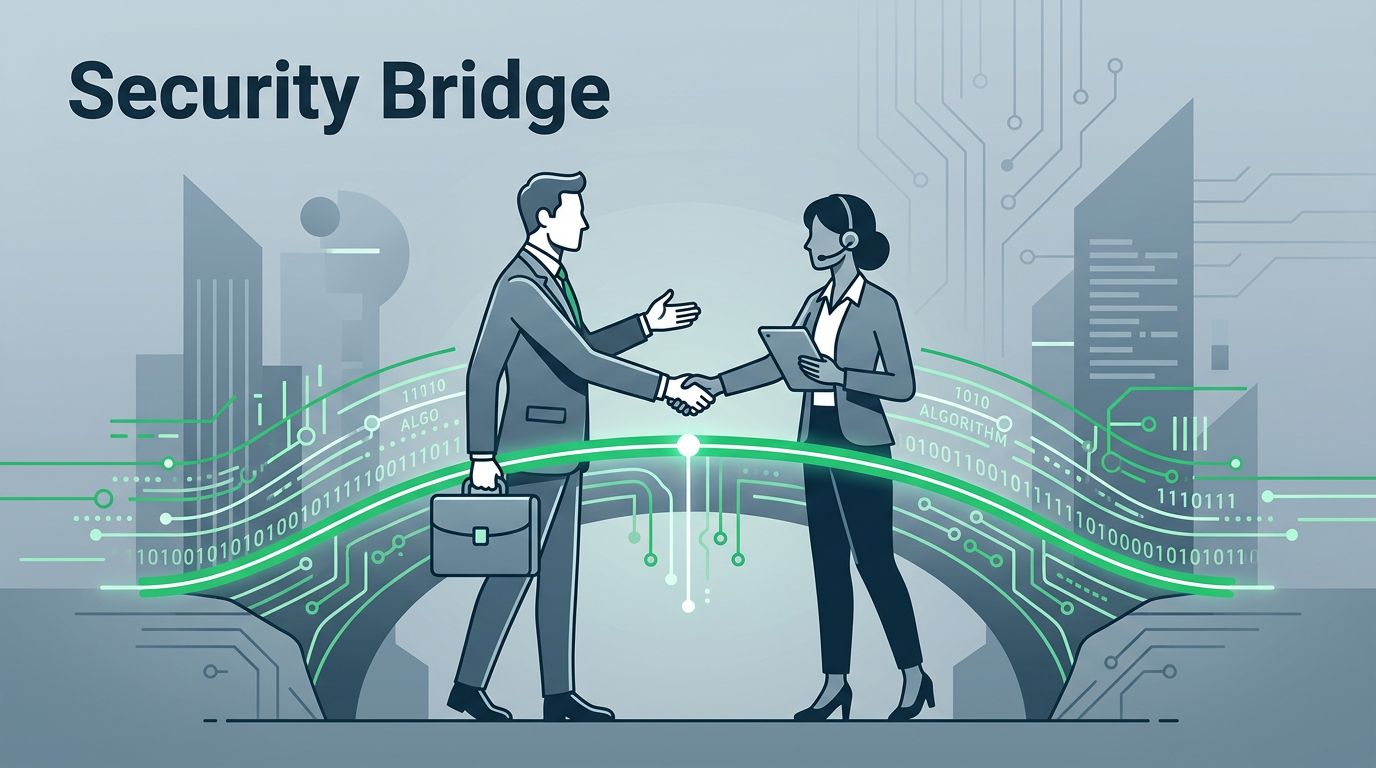
The best security leaders act as translators. They turn complex threat data into meaningful business risk metrics for the board and non-technical stakeholders. If your candidate cannot communicate why a specific vulnerability matters to the bottom line, your security strategy will likely struggle to gain internal traction. When interviewing for these high-stakes roles, prioritize behavioral patterns that demonstrate influence, judgment, and emotional intelligence over simple technical familiarity.
Evaluating Leadership Potential Beyond Technical Skills
Technical skills are the baseline requirement, but they are rarely the deciding factor in long-term success. You need to look for candidates who understand how to manage human capital and navigate corporate politics. If you only look for technical prowess, you might hire a brilliant architect who struggles to secure budget or executive buy-in.

When evaluating candidates, use behavioral questions to uncover past performance. As suggested by insights from Security Magazine on screening talent, you want to identify leaders with genuine executive presence. Ask them to describe how they handled a major security incident or how they persuaded a reluctant stakeholder to adopt new security protocols. Their answers should highlight their ability to manage people, not just machines.
Focus on these three areas during your assessment:
- Influence: Can they get departments to cooperate without relying on mandate or authority?
- Communication: Do they avoid jargon when speaking with finance, legal, or board members?
- Crisis Management: How do they maintain their composure and team morale during a high-pressure breach or outage?
Assessing Through Cross-Functional Scenarios
Standard interviews often produce rehearsed answers. Instead, place candidates in real-world situations they would face in your organization. A practical way to assess this is by using role-playing exercises or case studies. Present a scenario where the security team must balance a strict compliance requirement with an urgent product release.
Observe how the candidate navigates the competing needs of different stakeholders. Do they listen to the concerns of the engineering lead? Are they able to propose a solution that addresses the business objective while maintaining an acceptable risk profile? Effective leadership is often about finding the middle ground where the business feels supported rather than blocked.
As noted in guidance on conducting security interviews, you must look for intrinsic attitudes rather than just technical scripts. A leader who views security as a partnership with the rest of the company is invaluable. If they view the business as an adversary to be controlled, they will eventually cause friction that undermines their own security goals.
The Dangers of Prioritizing Charisma Alone
It is easy to fall for a candidate who is polished and charismatic. Senior security roles require confidence, but confidence should never replace competence or genuine judgment. Some candidates are experts at interviewing—they speak with authority and paint a compelling vision of a secure organization. However, charisma can mask a lack of operational depth or a tendency to delegate all technical responsibility to subordinates.
To avoid this trap, pair behavioral interviews with technical deep dives conducted by your most grounded engineers. Ask the candidate to explain their methodology for building a team or their philosophy on managing threat intelligence budgets. If they struggle to provide concrete examples of how they mentored junior staff or how they personally audited a high-risk system, their charisma is likely an empty shell.
Remember that a great leader builds up those around them. You want someone who develops talent rather than hoarding knowledge. Resources on assessing leadership potential emphasize that a candidate who talks about their team’s success is far more valuable than one who only talks about their personal accomplishments. If you are struggling to find candidates who balance both technical expertise and essential interpersonal skills, Book a Discovery Call with Bud Consulting to discuss your hiring requirements.
Practical Steps for Improving Your Hiring Process
Refine your interview structure to reduce bias and focus on the traits that matter. Avoid making decisions based on “gut feeling” or a quick first impression. Instead, implement a scoring rubric that tracks specific competencies like negotiation, problem-solving, and cross-functional communication. Give each interviewer a specific domain to probe, such as incident response, team development, or board-level reporting.
If your hiring process relies on one or two senior leaders, consider expanding the panel. Include a peer from engineering, product, or finance. These stakeholders interact with security leadership daily and can provide a perspective on whether the candidate truly understands the business. Their feedback is often the most revealing regarding how well a candidate will perform in your unique environment.
When you finish the interview process, compare candidates based on their specific outcomes rather than their personality. Who has a proven track record of solving problems similar to the ones you currently face? Which candidate can clearly explain the trade-offs they made in their previous roles? The answers to these questions are far more predictive of future success than a smooth delivery during a conversation.
Final Thoughts on Securing Great Talent
Your next security leader will define the culture of your entire department. They will determine how your organization responds to threats and how it balances risk with growth. By shifting your focus from purely technical checklists to a more comprehensive assessment of security leadership soft skills, you increase the likelihood of finding a partner who genuinely moves your business forward.
Prioritize candidates who demonstrate empathy for the user, clear communication with the board, and a collaborative spirit with internal teams. Look for the leader who can articulate why security matters without needing to scare the stakeholders to get what they want. While finding this blend of talent is challenging, the investment in a thorough, behaviorally-focused hiring process will pay dividends for years to come.