table of contents
A fast patch schedule fails when the wrong person owns the queue. If your team fixes vulnerabilities in hours or days, you need someone who can rank risk, push work across teams, and prove closure without slowing release work.
That role is the vulnerability management engineer, and it looks different in a team that patches fast. The best candidates reduce exposure window, not just scan counts. They keep remediation moving when assets are messy, owners disagree, or a patch needs a workaround.
What this role owns in a fast-patching team
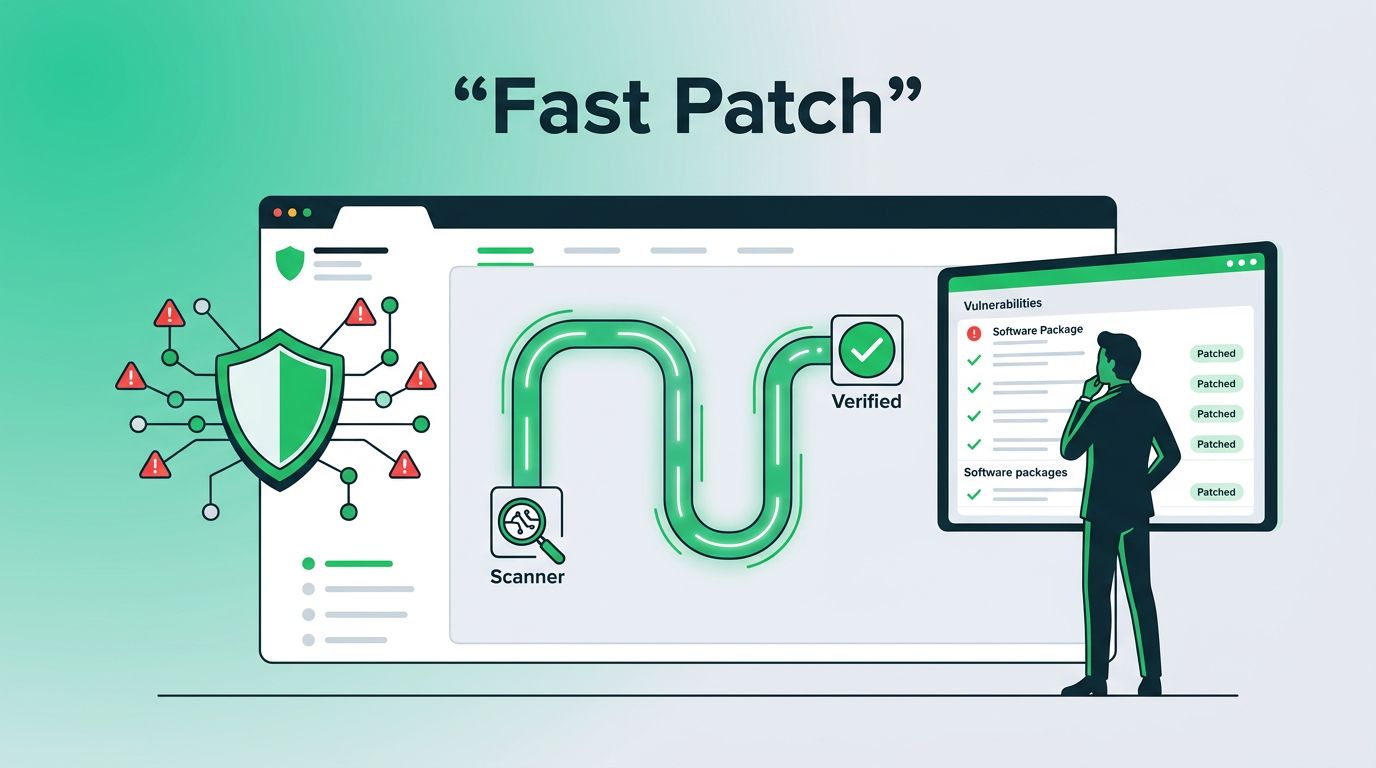
In a high-velocity environment, this role sits between discovery and verified closure. The engineer tracks findings, checks asset context, pushes ownership to the right team, and follows each issue until it is fixed or formally accepted.
That sounds simple. It rarely is.
A solid hire knows that a scanner only gives raw input. Someone still has to decide what matters first, what can wait, and what needs a temporary control while patching moves through change management. That is why a vulnerability management engineer needs a stronger sense of operations than many general security roles.

Teams that do this well usually follow a clear remediation loop, from triage to verification. The vulnerability management best practices from Dupple line up with that model, especially where cadence, automation, and ownership matter.
A strong candidate doesn’t just close tickets. They shorten the time between finding risk and proving it’s gone.
That last part matters. In fast-patching teams, speed without verification creates false confidence. A good engineer checks that the finding is gone on the live asset, not only marked closed in a spreadsheet.
How this role differs from SOC and security engineering
Hiring gets easier once you stop treating this as a generic security job. A SOC analyst, a security engineer, and a vulnerability management engineer can all work on the same issue, but their jobs are not the same.
Use this quick comparison to keep the search focused.
| Role | Main focus | Success metric | Common blind spot |
|---|---|---|---|
| Vulnerability management engineer | Reduce exposure and drive remediation | Time to fix, verification rate, fewer repeat findings | Can become too scan-centric without business context |
| SOC analyst | Detect and respond to active threats | Alert quality, response speed, containment | May not own long-term remediation |
| Security engineer | Build and tune security controls | Control coverage, stability, and hardening | May not follow every finding through closure |
The difference shows up in the workday. A SOC team cares about active alerts and incident response. A security engineer may build controls, tune policies, or harden platforms. A vulnerability management engineer makes sure a known weakness gets fixed, tracked, or compensated for, then verified.
That last part is why this role fits fast-patching teams so well. The engineer keeps pressure on the workflow and does not stop at assignment. They know when to ask for a patch, when to request a mitigation, and when to push for a temporary control such as a WAF rule, service disablement, or isolation.
A useful mindset shift is to hire for exposure reduction, not ticket handling. The Qualys discussion of exposure windows is a good reminder that patch counts do not equal risk reduction.
Skills that separate strong candidates in 2026
The strongest candidates combine technical depth with operational discipline. In 2026, that usually means they understand how vulnerabilities move across Windows, Linux, cloud, containers, and APIs, and they can still explain the risk in plain language.
Look for these skills:
- Risk ranking under pressure: They can sort a large backlog by exploitability, asset value, internet exposure, and business impact. They do not wait for someone else to tell them what is urgent.
- Tool fluency: They know how to work with scanners such as Nessus, Qualys, or Rapid7 InsightVM, then turn that output into clean remediation work.
- Automation habits: They use Python, PowerShell, or Bash to reduce manual reporting, enrich scan data, or track exceptions.
- Systems context: They understand basic networking, Windows and Linux patch behavior, cloud shared responsibility, IAM, and container risk.
- Communication that moves work: They can write a short update that gets IT, app teams, and leadership aligned.

Automation matters because fast teams cannot rely on manual triage forever. Strong hires know where automation helps and where it adds noise. They should be able to explain how they would reduce duplicate findings, enrich asset owners, and flag overdue remediations without turning the process into a black box.
In modern CTEM programs, this role also needs comfort with daily visibility. External attack-surface mapping, repeat scans, and revalidation after patching are all part of the job now. A candidate who only talks about quarterly scans is behind the curve.
A good sign is practical judgment. If a patch is unsafe or unavailable, they should know how to move to mitigation quickly. That might mean virtual patching, network controls, or temporary isolation while the real fix waits.
Interview questions that reveal speed and judgment
Interviewing for this role works best when you test real tradeoffs. Ask for examples, not theory. You want to see how the candidate behaves when there are too many findings and too little time.

Use these prompts:
- Ask them to triage a mixed backlog. Give them a scenario with critical Linux servers, a cloud workload, and a user-facing app. A strong answer shows how they rank risk, not just severity.
- Ask how they handle a patch that breaks something. Good candidates talk about rollback plans, test groups, and communication with operations. Weak ones act as if every patch is simple.
- Ask how they get buy-in from busy teams. You want someone who can work with system owners, app leads, and change managers without turning every issue into a fight.
- Ask how they automate weekly work. Look for practical ideas, like scan enrichment, exception tracking, deadline reminders, or status reporting.
- Ask how they prove closure. The best answers mention rescans, live validation, and clear evidence that the vulnerable service is no longer exposed.
You can also ask for a short written exercise. Give them five findings and ask them to build a remediation plan. The answer will show their judgment faster than a polished interview response.
Build a scorecard before you post the job
A fast-patching team needs a scorecard before interviews start. Otherwise, every stakeholder will value a different thing, and the search will drift.
A simple scorecard can weight the role like this:
- Prioritization and triage: Can the candidate rank risk with limited time?
- Stakeholder management: Can they move work through IT, app, and leadership groups?
- Automation: Can they cut manual work and keep data clean?
- Verification: Do they close the loop with proof, not hope?
- Operational fit: Can they work inside change windows and patch deadlines?
If the answers are fuzzy, the hire will be fuzzy too.
For teams that need help moving fast, Book a Discovery Call with Bud Consulting to shape the search around real remediation pressure, not a generic security job description.
A final hiring tip, write the job post around outcomes. Say the engineer owns exposure reduction, remediation tracking, and verification. Say they work closely with infrastructure, cloud, and app teams. That wording will attract the right people and filter out candidates who want a broader security role.
Conclusion
The right hire for a fast-patching team is not the loudest security generalist. It’s the person who can sort risk fast, keep people moving, and confirm that fixes actually worked.
If you hire for speed, prioritization, stakeholder management, and automation, you get someone who closes the gap between finding a vulnerability and removing it. That is the job. Everything else is background noise.