table of contents
A weak vendor process can create more exposure than a bad internal control. When a partner handles your data, systems, or customer support, their mistakes can become your problem fast.
That’s why the decision to hire a third-party risk manager matters. This role is not a paper-pushing job, and it’s not the same as vendor management or procurement. It is the person who helps you see external risk clearly, rank it, and keep it under control.
What a third-party risk manager actually owns
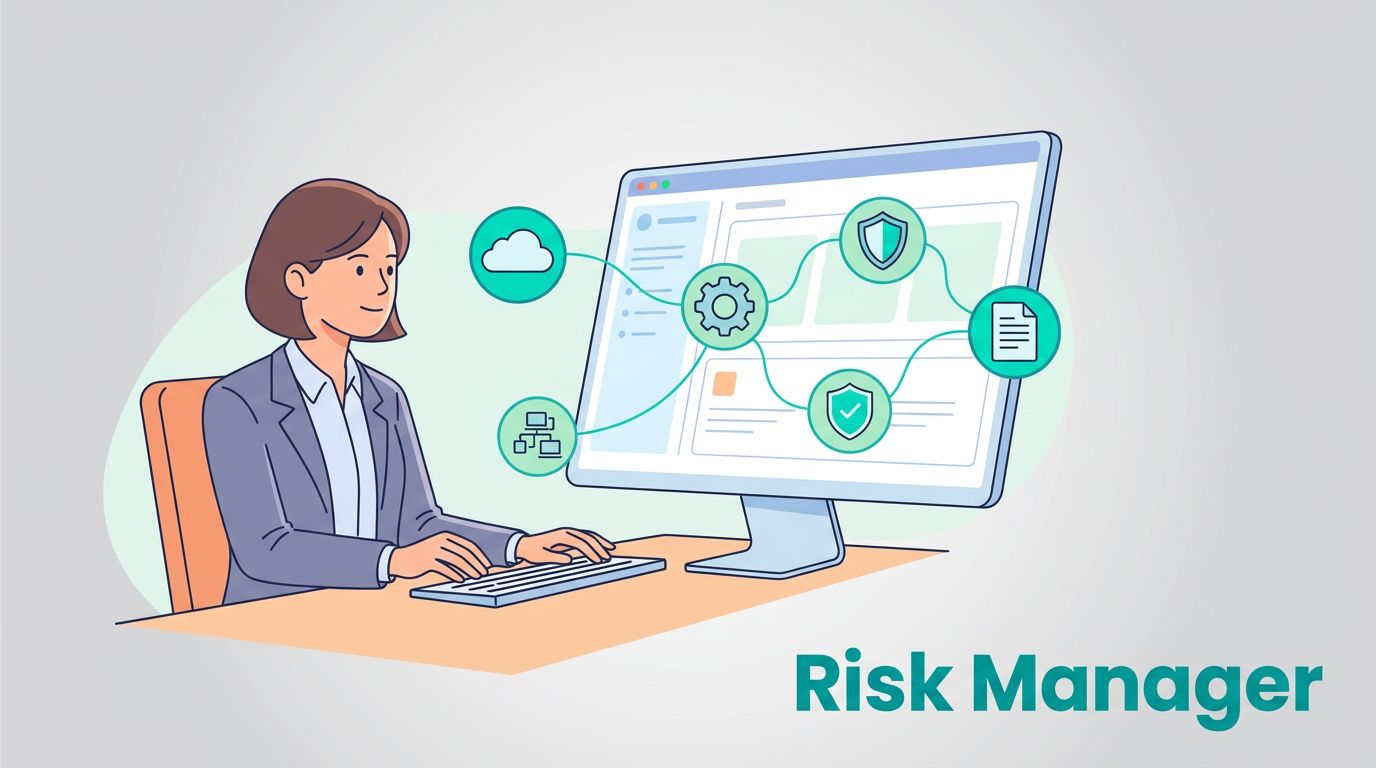
A third-party risk manager owns the process for identifying, assessing, and monitoring risk tied to outside companies. That includes vendors, suppliers, contractors, cloud tools, and service partners.
In practice, the role looks at the full relationship, not just the contract. A strong manager reviews security controls, privacy exposure, business continuity, financial stability, and exit risk. They also keep track of which vendors matter most, because a payroll processor is not the same as a low-risk office supply provider.

They spend time with questionnaires, SOC reports, remediation plans, and follow-up meetings. They also translate risk into plain language for leaders who need a decision, not a technical lecture. A useful job-specific overview is available in this third-party risk manager guide.
That last part matters most. The best people in this role do not just collect evidence. They help the business decide whether a vendor is acceptable, what controls need to improve, and when to walk away.
When your company needs one, and how the role differs from adjacent teams
You probably need this hire when vendor count grows faster than oversight. You also need it when outside parties touch regulated data, support core operations, or connect to sensitive systems.
Other warning signs are easy to spot. Audit findings keep repeating. Security reviews pile up. Procurement closes deals before risk review is done. Different teams use different templates. No one knows which vendors are critical. At that point, the problem is not missing effort. The problem is missing ownership.
The role is often confused with nearby functions. They overlap, but they are not the same. The table below makes the boundaries clearer.
| Function | Main focus | What they own | What they do not own |
|---|---|---|---|
| Vendor management | Day-to-day relationship health | Service levels, escalations, performance reviews | Formal risk scoring or control testing |
| Procurement | Buying goods and services | Sourcing, pricing, contracts, approvals | Ongoing third-party risk oversight |
| Compliance | Policy and regulatory alignment | Control requirements, audit support, evidence collection | Full vendor lifecycle ownership |
| Cybersecurity | Technical protection of systems and data | Security architecture, threat response, access controls | Business-wide vendor governance |
| Third-party risk management | External risk across the vendor lifecycle | Assessments, monitoring, escalation, remediation, reporting | Owning every commercial or technical decision |
The key difference is scope. Vendor management is about the relationship. Procurement is about the buy. Compliance is about rules. Cybersecurity is about protection. Third-party risk management sits across all of them and keeps the risk picture connected.
That’s why a company often needs this role before it thinks it does. If your business works with dozens or hundreds of outside parties, the risk pile gets too large for side-work.
Qualifications and competencies that matter most
A good third-party risk manager needs more than a security background. The role sits between business teams, so the person has to understand risk and speak clearly.
Experience with vendor assessments, control reviews, or audit work helps a lot. So does comfort with privacy terms, contract language, and basic security concepts. Many strong candidates also know how to read a SOC 2 report, spot gaps in an intake questionnaire, and push for remediation without creating friction.
For a sense of the skills that show up often in the market, see this job-market skills guide. The mix is useful because it shows how broad the role really is.
Use this checklist when you screen candidates:
- Risk judgment: They can tell the difference between a minor issue and a real exposure.
- Assessment design: They know how to build a review process that fits the business.
- Stakeholder communication: They can explain risk to legal, procurement, IT, and executives.
- Prioritization: They know which vendors need deeper review and which do not.
- Documentation discipline: They keep records clean, current, and easy to defend.
- Follow-through: They track remediation until issues are closed.
- Business awareness: They understand how the vendor supports revenue or operations.
- Calm under pressure: They can handle escalations without losing clarity.
If a candidate only talks about checklists, the role may be too narrow for them.
Look for people who can work across teams without getting stuck in one lens. A cybersecurity specialist may know the controls well, but still struggle with contract flow or executive reporting. A compliance professional may know the rules, but miss operational risk. The right hire connects the dots.
A practical job description outline and interview questions
A strong job description does not need fancy language. It needs clear scope. Start with the business problem, then define ownership, reporting lines, and success measures.
A simple outline might look like this:
- Role summary: Own the third-party risk process for assigned business units or the full vendor portfolio.
- Core duties: Run assessments, review evidence, track remediation, report risk trends, and support audits.
- Required experience: Work in risk, compliance, security, procurement, or vendor governance.
- Tools and frameworks: Risk registers, questionnaires, issue trackers, and reporting tools.
- Success metrics: Assessment turnaround time, remediation closure rate, critical vendor coverage, and reporting quality.
- Working relationships: Procurement, legal, security, finance, privacy, and business owners.
If you want help scoping that role before you post it, Book a Discovery Call with Bud Consulting. That can save time before the search gets messy.
Your interview should test more than terminology. Ask questions that show how the person thinks.
Good interview questions include:
- Tell us how you would rank vendors by risk.
- Walk us through a vendor assessment you improved.
- How do you handle a business leader who wants to skip a review?
- What would you do if a critical vendor refused to remediate a gap?
- How do you decide when to escalate a finding?
- Which metrics would you report to leadership each month?
After the questions, ask for a short case. Give the candidate a vendor scenario and see how they break it down. A strong answer will show structure, judgment, and plainspoken communication.
Common hiring mistakes that weaken the function
The biggest mistake is hiring for one narrow skill and expecting broad coverage. A questionnaire reviewer is not always a program owner. A compliance auditor is not always a vendor risk leader. The job needs someone who can run the process and influence people.
Another mistake is writing a vague job description. If the posting says the person will “support risk” or “help with vendors,” you’ll get weak candidates. Clear ownership attracts better applicants.
Other mistakes show up after the hire:
- Expecting one person to manage every vendor and every issue without support.
- Leaving procurement, legal, and security out of the process.
- Measuring success only by speed, not by quality.
- Ignoring reporting, which leaves leadership blind.
- Failing to define what happens when a vendor is too risky.
The best teams treat third-party risk as a business function, not an afterthought. When the role is scoped well, the manager becomes the control point that keeps vendor growth from turning into chaos.
Conclusion
When you hire third-party risk manager talent, you are hiring for judgment, structure, and influence. The right person can explain external risk in plain language and keep the vendor program moving.
Start with the scope, then compare candidates against the work they will actually do. If they can assess risk, build trust across teams, and keep leaders informed, you’re looking at the right profile. That’s what turns a vendor list into a managed risk function.