table of contents
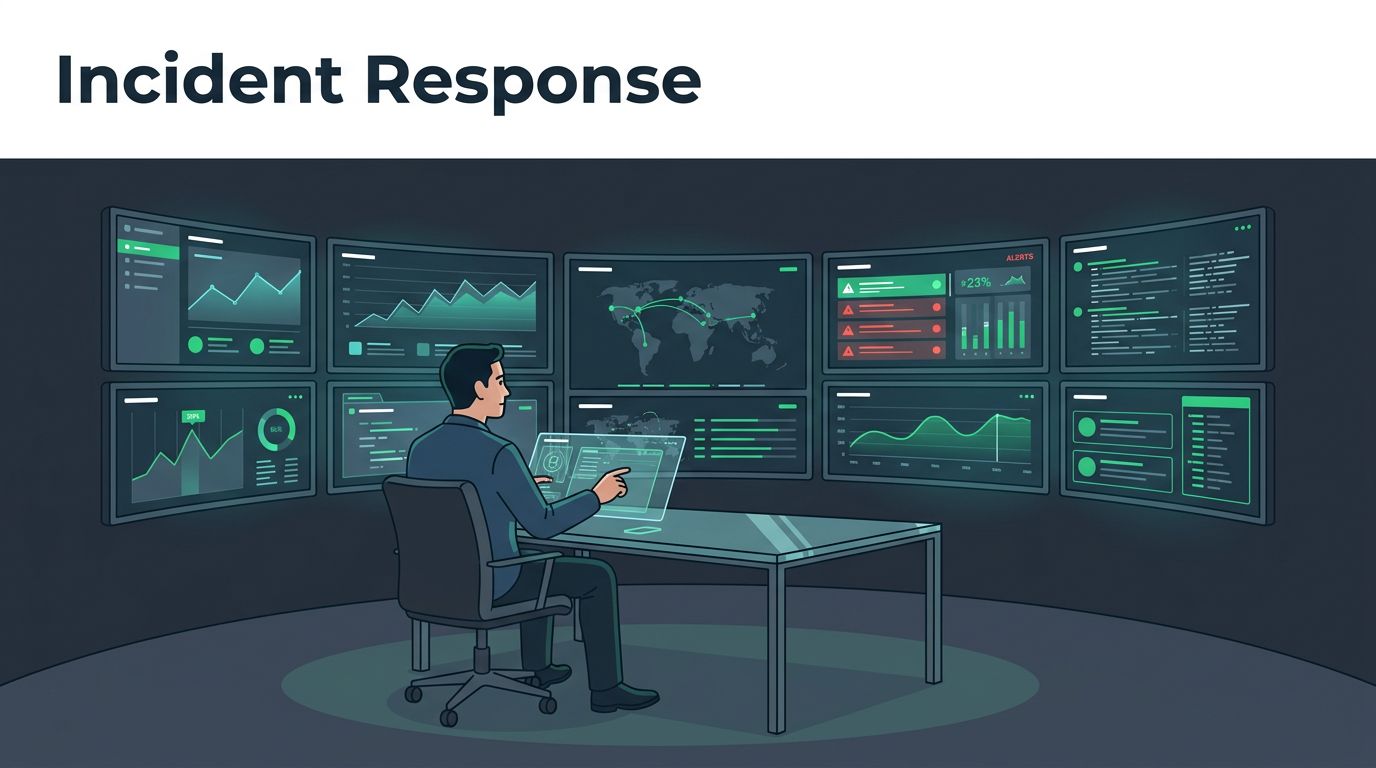
A breach changes the hiring brief overnight. You no longer need a general security lead with good instincts, you need an incident response manager who can stabilize chaos, coordinate teams, and keep decisions moving.
That hire has to work fast, speak clearly, and understand what matters in the first hours and days. If you pick the wrong person, the breach drags on, evidence gets messy, and leaders start guessing.
The fastest path is to define the role, choose the right hiring model, and screen for crisis leadership before you look at a polished resume.
Start by defining the role you actually need
After a breach, many teams use the title “incident response manager” when they mean three different jobs. One person may need to run the response war room. Another may need to coordinate forensics and containment. A third may need to manage reporting, messaging, and executive updates.
Start with the business outcome, not the title. Ask what this person must own in the next 72 hours, then map the next 30 days.
- Define the top risk. Is the main issue data theft, ransomware, account takeover, or service disruption?
- Decide who the manager reports to. In most cases, that is the CISO, CIO, or a crisis lead.
- Write down the decision rights. Spell out what they can approve without waiting.
- List the teams they must coordinate. Include security, IT, legal, compliance, communications, and leadership.
- Set the first deliverables. These should cover containment, evidence handling, status reporting, and next-step planning.
Hire for command, not comfort. The best candidate can take control without creating noise.

A clear role profile helps you avoid a common mistake, hiring someone who is strong on paper but weak in the specific crisis in front of you.
Choose the right hiring model for the timeline
The wrong hiring model can waste days. If the breach is active, speed matters more than permanence.
Here is a simple way to compare the main options:
| Hiring model | Best use case | Strengths | Tradeoffs |
|---|---|---|---|
| Consultant | You need specialist help for a defined phase | Fast start, deep expertise, focused scope | Limited ownership of internal change |
| Fractional hire | You need senior leadership a few days a week | Flexible, lower cost than full-time | May not be enough during intense response periods |
| Interim hire | You need someone to run the response now | Strong for crisis control and transition | Temporary by design |
| Permanent hire | You need long-term ownership after recovery | Stable leadership, deeper culture fit | Slower to hire, slower to ramp up |
If the breach is still unfolding, an interim or fractional hire is often the best first move. A permanent search can run in parallel once the fire is under control.
This is also where emergency staffing preparation pays off. Overture Partners notes that organizations move faster when they pre-approve surge hiring and have a staffing partner ready before an incident starts, which aligns with how to scale cybersecurity teams during incident response.
If you need help moving quickly, Book a Discovery Call with Bud Consulting so the search can move while the response is still active.
Bring security, legal, IT, and executives into one decision
A breach hire should never be a solo decision. Security sees technical risk, legal sees reporting exposure, IT sees system recovery, and executives see business impact. If those groups hire separately, they often end up with someone who fits one need and misses the rest.
The FTC’s Data Breach Response guide for business is clear about the breadth of a response team. Forensics, legal, IT, operations, HR, communications, investor relations, and management may all need a seat at the table.
That means your hiring process should include all the right voices early. Security can define technical depth. Legal can assess reporting awareness. IT can test operational judgment. Executives can judge calm and clarity.
A useful co-hire model is outlined in how security and legal leaders can co-hire for data breach response readiness. The point is simple, shared ownership leads to better screening and fewer blind spots.
Keep one caution in view. Legal and regulatory obligations vary by jurisdiction and organization, so the manager needs awareness, not guesswork. This is not legal advice, and your counsel should guide reporting and notice decisions.
Screen for crisis leadership and technical control
The best incident response manager is part operator, part communicator, and part traffic cop. They do not need to be the deepest forensic expert in the room, but they do need to know enough to make good calls.

Use this checklist as a fast screen for must-have qualifications:
- Strong incident response experience, with real breach work, not only policy work.
- Confidence under pressure, because the first hours are rarely neat.
- Clear leadership habits, including task assignment and follow-up.
- Technical fluency across logs, endpoints, networks, identity, and containment tools.
- Forensics coordination skills, especially around evidence handling and chain of custody.
- Strong communication for executives, technical teams, counsel, and sometimes customers.
- Knowledge of compliance and reporting duties.
- Experience with cross-functional crisis management.
- A background in cybersecurity, IT, or a related field.
- Certifications like CISSP, CISM, or GCIH, if they match the role.
The real test is not whether they know every tool. The test is whether they can keep the room focused when new facts keep changing the plan.
Ask interview questions that expose real experience
Good interviews for this role should feel practical, not theoretical. Ask for examples, decisions, and tradeoffs.
Try questions like these:
- Tell us about a breach you helped manage. What did you own in the first 24 hours?
- How did you decide what to contain first?
- What evidence did you protect, and how?
- How did you keep legal, IT, and executives aligned when priorities clashed?
- What did you communicate upward, and how often?
- How did you handle uncertainty when the facts were still moving?
- What would you do differently now?
- How do you decide when to bring in outside forensic support?
Listen for structure in the answer. Strong candidates explain how they triaged, communicated, and documented decisions. Weak candidates stay vague or drift into tool names and war stories.
You can also ask for a short case exercise. Give them a realistic breach scenario and ask for their first hour plan. That often reveals more than a polished interview answer.
Avoid the hiring mistakes that slow recovery
After a breach, teams often hire too fast in the wrong direction. The pressure is real, but speed without judgment creates more work.
Three mistakes show up often. First, teams hire for broad security seniority instead of incident leadership. Second, they ignore the need for tight coordination with legal and communications. Third, they skip the candidate’s ability to write, brief, and decide clearly.
Another common mistake is assuming one person can fix everything. An incident response manager needs support, not a fantasy workload. The role works best when containment, forensics, legal review, and executive updates are split cleanly.
The other trap is waiting too long to define success. If the team cannot say what “good” looks like, the search drifts.
What success looks like in the first 30 days
A strong first month should feel controlled, even if the breach created chaos. The manager may not close every issue, but they should bring order to the response.
Within 30 days, you should see:
- A clear incident timeline and ownership map.
- Defined containment priorities and next actions.
- Regular updates to executives and key stakeholders.
- Tight coordination with forensics, legal, and IT.
- A working log of decisions, evidence handling, and open risks.
- A plan for longer-term remediation and hiring, if needed.
You should also see fewer dropped balls. Meetings should have purpose. Escalations should move faster. People should know who decides what.
If that is happening, the hire is doing the job. If confusion still rules the process, the role definition may still be too loose.
Conclusion
A breach is a bad time to improvise a leadership role. The right incident response manager brings structure, speed, and clear judgment when the pressure is highest.
Define the role first, choose the hiring model that matches the clock, and screen for crisis leadership as carefully as technical depth. If you do that, you give the response a steady hand when every hour matters.