table of contents
Security teams collect data constantly. They count blocked connection attempts, scanned vulnerabilities, and closed tickets. These numbers look impressive in monthly reports. They do not show if the organization is actually more secure.
Real security depends on measurable outcomes rather than raw activity counts. Security leaders must shift focus from operational busywork to concrete business results.
Key Takeaways
- Activity metrics measure effort, while security outcomes measure risk reduction and defensive capability.
- Traditional vulnerability counts fail to capture real exposure or threat actor behavior.
- Executive leadership requires risk translation rather than technical statistics.
- Continuous validation tests operational readiness against real-world attack methods.
- Bud Consulting helps organizations build targeted programs focused on measurable defense.
Defining Security Outcomes Beyond Metrics
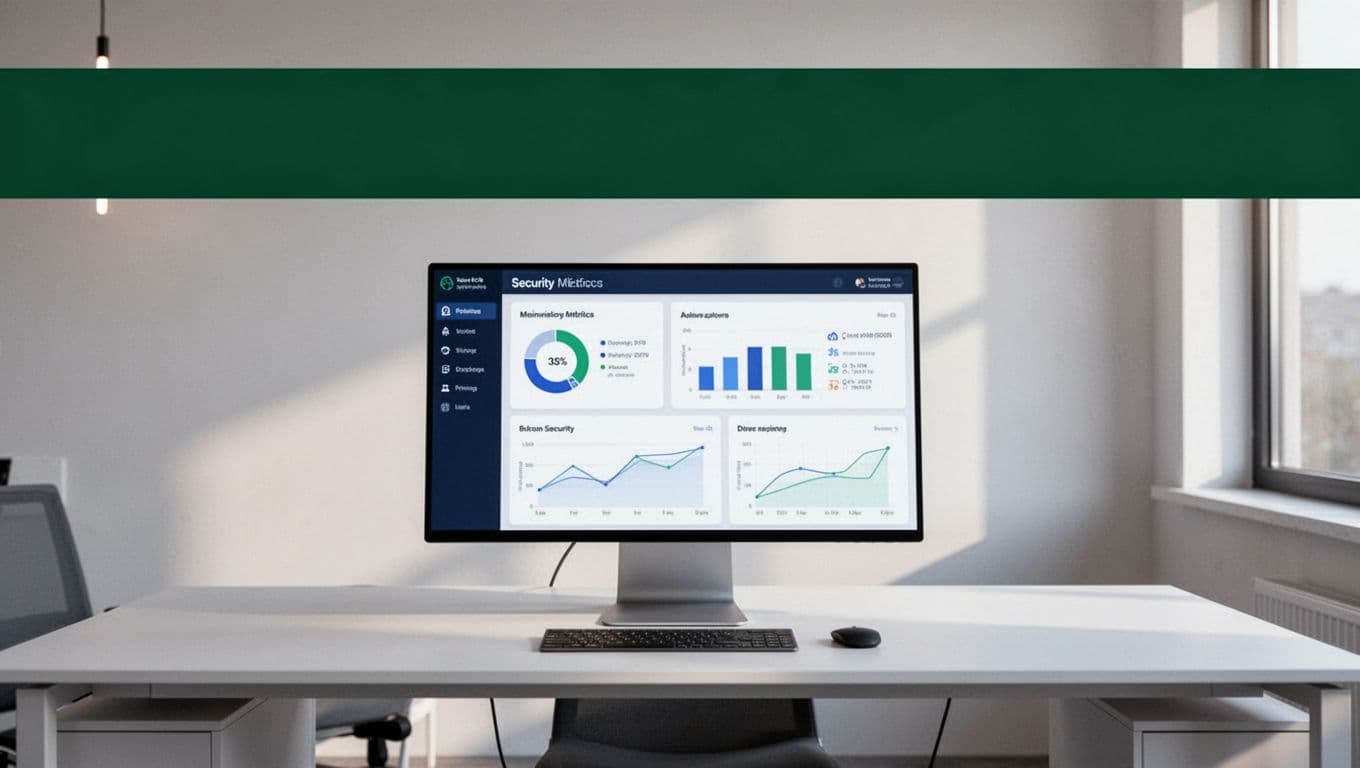
Activity metrics measure how much work a team performs. Security outcomes measure the actual reduction of risk. Running ten thousand vulnerability scans is an activity. Patching critical flaws before exploitation is an outcome.
Many organizations confuse volume with value. They track ticket resolution speeds and firewall rule changes. These statistics show team output. They do not show whether an attacker can still bypass the perimeter.
Security programs need a clear definition of success. Success means stopping attacks before they disrupt operations. It means protecting sensitive data from unauthorized access.
Focusing on outcomes changes how security teams allocate budget. Instead of buying tools that generate more alerts, teams invest in controls that block specific attack vectors.
Tracking Real-World Outcomes
Organizations struggle to measure risk because threats change constantly. Traditional audits happen annually or quarterly. They provide a static snapshot of security posture on a single day.
Attackers don’t wait for annual audits. They probe networks and applications every hour. Security teams need continuous validation to track operational outcomes.
Continuous Threat Exposure Management provides ongoing visibility into active vulnerabilities. Automated attack surface discovery finds forgotten assets before attackers do. Red-team testing evaluates how defenders respond to live intrusions.
Measuring these exercises reveals true defensive readiness. If a red team bypasses multi-factor authentication in ten minutes, the current control is failing. The outcome is exposed risk, regardless of how many prevention tools are active.
Organizations can use structured testing to evaluate specific defense capabilities across three main operational areas:
- External exposure: Finding exposed administrative panels and misconfigured cloud buckets before discovery by threat actors.
- Internal containment: Testing whether an initial endpoint compromise allows lateral movement across internal network segments.
- Identity hygiene: Verifying that dormant service accounts and stale privileges cannot be exploited for persistence.
Reviewing these results guides immediate remediation efforts. Teams fix the specific gaps that allowed the simulated breach. Security improves through targeted correction rather than endless patching.
Aligning Leadership With Security Outcomes
Boards and executives don’t need technical jargon. They need to understand financial exposure and operational resilience. CISOs often fail to secure budget because they present raw vulnerability counts instead of business risk.
Security outcomes bridge the gap between technical teams and executive leadership. When security leaders express risk in terms of business impact, executives listen.
A report showing five hundred unpatched flaws creates confusion. A report showing that critical payment systems remain vulnerable to credential theft creates urgency.
Communicating outcomes requires clear translation. Technical findings must map directly to business operations.
Security teams should answer specific operational questions during leadership reviews. What critical assets are currently exposed? How fast does the organization detect and contain an intrusion? What is the financial impact of a successful ransomware attack on primary revenue streams?
Answering these questions demonstrates true risk awareness. Executives can make informed decisions about capital allocation. Security becomes a managed business function rather than an unpredictable expense.
Closing Technical Skills Gaps
Technology alone cannot deliver security outcomes. Skilled practitioners are required to interpret data and respond to threats. Many organizations struggle to hire and retain qualified security personnel.
Talent shortages undermine security effectiveness. When critical roles remain vacant, alerts go uninvestigated and misconfigurations persist.
Organizations must evaluate their internal capabilities honestly. If the team lacks specialized cloud security or offensive testing expertise, internal training or external support is necessary.
Executive search and specialist talent sourcing help organizations find experienced professionals. Security consulting firms provide specialized advisory services to fill immediate capability gaps.
Building a resilient security function requires both strong technology and capable people. When skilled professionals use automated validation tools, security outcomes improve significantly.
Final Thoughts
Measuring activity is easy, but measuring risk reduction requires discipline. Security leaders must move past volume-based statistics and focus on concrete defensive results.
Organizations need continuous validation, clear executive communication, and skilled teams to achieve lasting protection. Aligning security programs with business objectives reduces risk and protects critical operations.
To evaluate your current defensive posture and improve your security outcomes, Book A Call With Us today.