table of contents
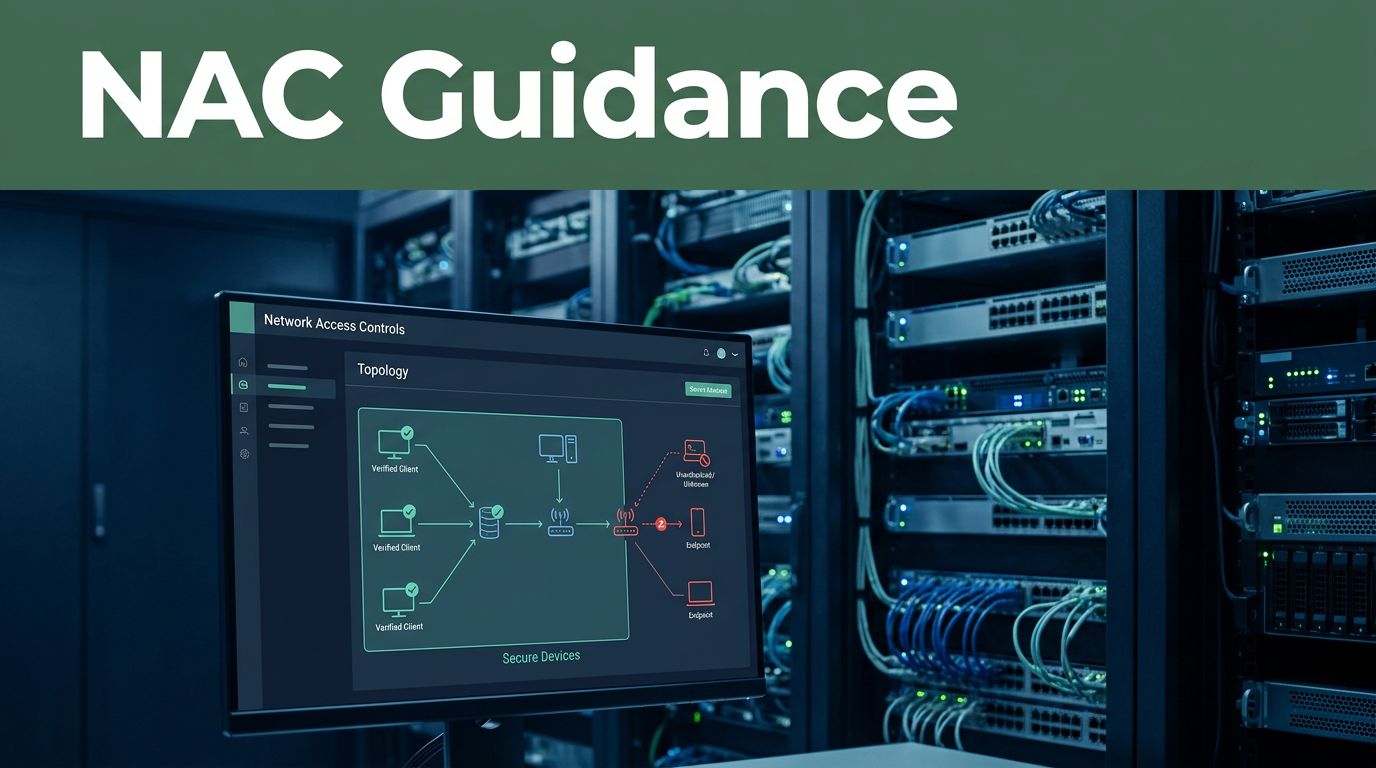
Unmanaged endpoints connect to corporate networks every day. Network access control stops unauthorized machines from reaching sensitive internal assets. Many IT teams struggle to configure strict device profiling without breaking production workflows. Organizations need specialized external guidance to build resilient access policies. Sourcing qualified firms requires knowing where to look in the broader cybersecurity market. Finding specialized help means evaluating major professional services firms alongside boutique security integrators. Organizations look for NAC consulting services to accelerate deployments and prevent costly downtime.
Where to Find Specialized NAC Consulting Services
Enterprises searching for deployment support have several distinct options. Large system integrators provide comprehensive security programs across multiple business units. Global firms like NTT DATA, Accenture, and Deloitte maintain dedicated security practices. These providers deliver audit-grade compliance reports and policy enforcement frameworks. According to Gartner Network Access Control Reviews, enterprises rely on structured evaluation metrics when selecting these tier-one advisors. Smaller regional integrators offer localized engineering support and flexible contract terms. Cybersecurity staffing agencies also connect employers with certified network engineers. Boutique firms often provide specialized expertise in single-vendor deployments. Evaluating these providers requires understanding internal project constraints and compliance mandates. Organizations must review past project portfolios to confirm relevant experience in similar enterprise environments. IT leaders should also assess whether a firm operates as a pure advisor or a hands-on implementation partner. Independent advisors provide objective architecture designs without software bias. Implementation partners handle direct configuration, troubleshooting, and post-deployment maintenance. Security directors balance these options based on internal staffing levels and technical skill gaps. Sourcing the right partner takes time, but structured procurement processes yield better long-term operational outcomes.
Vendor Ecosystems and Specialized Integrators
Many deployment projects tie directly to specific hardware ecosystems. Cisco ISE, Forescout, and HPE Aruba ClearPass dominate enterprise deployments. Vendors publish implementation documentation, but in-house teams often lack specialized deployment experience. Specialized consulting firms hold vendor certifications and maintain direct escalation paths. For instance, Cisco Network Access Control Guidance outlines fundamental policy enforcement requirements that external architects map into existing infrastructure. Consultants bridge the gap between hardware capabilities and operational security policies. Multi-vendor environments present unique integration challenges. An enterprise might run Cisco switches alongside wireless access points from different hardware vendors. Specialized consultants know how to configure RADIUS attributes, 802.1X supplicants, and MAC Authentication Bypass across diverse hardware. They configure profiling probes to accurately identify Internet of Things devices without triggering false alarms. External experts also assist with certificate authority integration and endpoint compliance posture checks. Without this specialized knowledge, internal teams often encounter severe configuration errors that block legitimate user traffic. Engaging external specialists reduces trial-and-error cycles during critical deployment phases.

Evaluating Technical Readiness Before Engagement
Deployment strategy begins with a thorough architecture assessment. Security teams must map wired switches, wireless controllers, and guest portals before writing access rules. Readiness assessments identify hidden risks in existing VLAN structures and endpoint device populations. Integrators often perform readiness audits to establish baseline visibility before enforcing strict 802.1X authentication or MAC Authentication Bypass policies. Managed service providers such as Hughes Managed Network Access Control offer structured paths for organizations transitioning from legacy setups to modern policy enforcement. External advisors review these technical prerequisites to prevent network lockouts during rollout. Network readiness also involves examining switch hardware capabilities. Older switches often lack support for advanced port security features required by modern security frameworks. Consultants audit firmware versions, power budgets, and PoE configurations across the enterprise switch fleet. They identify switches requiring firmware upgrades or hardware replacements prior to policy enforcement. Furthermore, external architects evaluate IP address management schemes to ensure guest networks and corporate subnets remain properly isolated. Addressing these technical gaps early prevents catastrophic network failures when enforcement rules go live.

Key Selection Criteria for External Partners
Choosing the right consulting partner requires rigorous vendor validation. IT leaders should review past deployment case studies within similar industry verticals. Certifications matter for complex projects involving multi-vendor network fabrics. Prospective consultants must demonstrate hands-on experience with device profiling, posture checks, and guest management workflows. Organizations should request reference checks from previous enterprise clients who completed similar migrations. Pricing models vary from fixed-scope assessments to time-and-materials implementation contracts. Security directors must align internal budgets with the projected scope of the deployment. Evaluating a partner also involves examining their post-implementation support offerings. Network access control policies require ongoing tuning and maintenance as new devices join the enterprise. A reliable consulting partner provides knowledge transfer sessions to internal IT staff. This training ensures internal teams can manage routine policy updates and troubleshoot user access issues independently. Organizations must also verify whether the consulting firm maintains partnerships with major security vendors. Vendor-certified partners receive priority support escalations when complex bugs disrupt production environments. Weighing these criteria helps security leaders select partners capable of delivering sustainable results.
Engaging Expert Support for Your Project
Initiating a consulting engagement requires a clear statement of work. Security teams outline current infrastructure limitations, compliance mandates, and deployment deadlines. Consultants review these requirements to propose phased migration timelines that minimize user disruption. Internal stakeholders participate in policy definition workshops to ensure business units retain necessary network access. Effective partnerships reduce configuration errors and shorten time-to-value for enterprise security investments. Organizations ready to start their project can Book A Call With Us to discuss specific architectural requirements and deployment timelines. Clear communication channels between internal teams and external consultants prevent scope creep during execution. Regular status meetings track progress against defined milestones and catch potential roadblocks early. Documentation handoffs ensure internal administrators understand every configuration change made to core routing and switching gear. Managing the engagement effectively transforms a complex technical migration into a structured, predictable process. Organizations that invest in proper partner management achieve stronger security postures with minimal operational friction.
Final Thoughts
Deploying network access control requires specialized technical capability and rigorous planning. External advisors accelerate implementation while protecting production availability. Selecting the right partner ensures access policies remain enforceable over the long term. Organizations must evaluate technical readiness before finalizing consultant contracts. Establishing clear project milestones secures long-term visibility across corporate infrastructure.