table of contents
A bad senior security hire rarely fails on technical trivia. They fail because the company hired on pedigree, confidence, or logo bias instead of proof.
That’s why cybersecurity hiring scorecards matter. For Directors, Heads of Security, VPs, and senior architects, a scorecard sets the bar before interviews begin. It ties hiring to business outcomes, sharpens interviewer focus, and makes final decisions easier to defend.
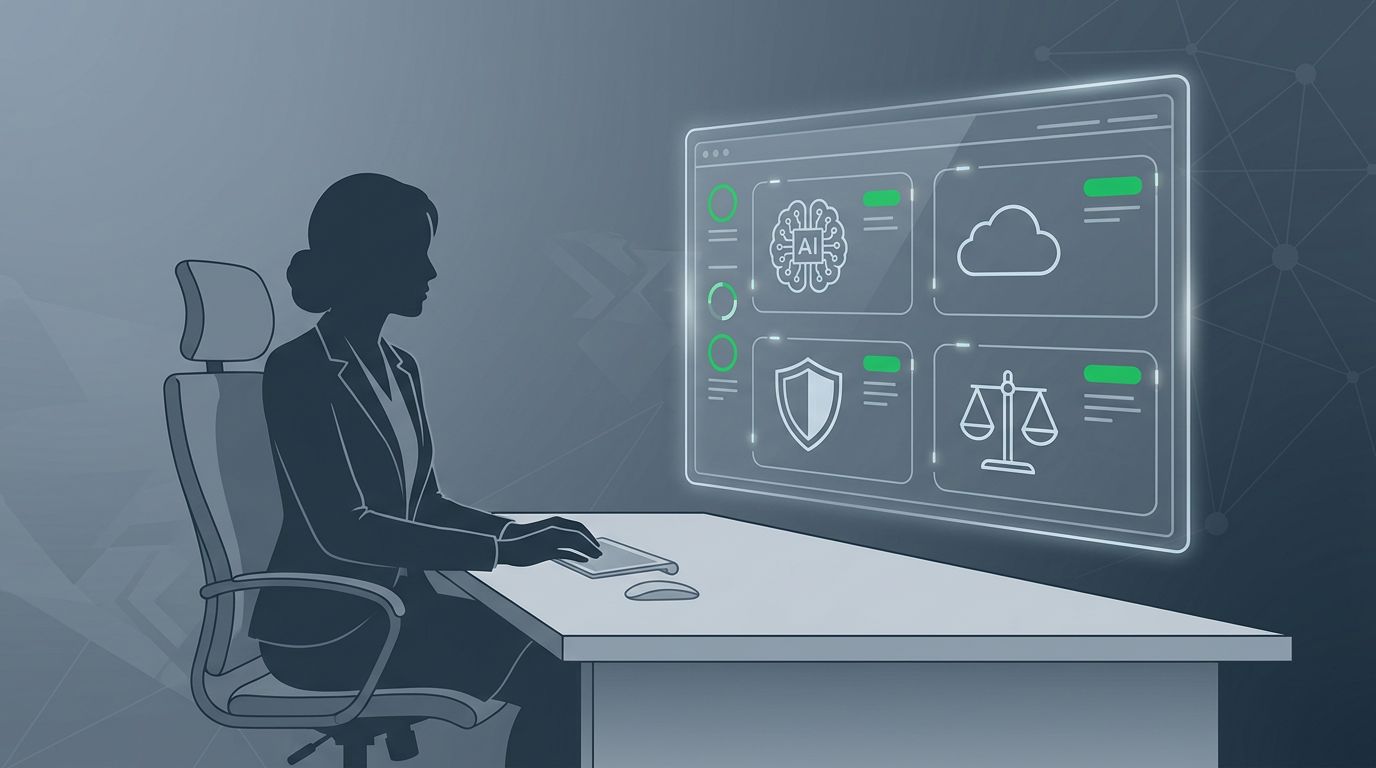
In 2026, that bar has to cover AI risk, cloud-native architecture, regulatory pressure, and executive communication.
Why senior security roles need a different scorecard
If you’re hiring a senior security leader, you’re not buying a list of tools. You’re hiring judgment under pressure. So the scorecard should reflect first-year outcomes, not a pile of buzzwords.
Start with the role’s hardest problems. Maybe the new leader must reduce cloud exposure, rebuild incident response, guide AI usage policy, or brief the board after a material event. Those outcomes define the competencies worth scoring.
The role has changed fast. Current reporting on skills CISOs need to master in 2026 and top CISO priorities in 2026 shows the shift clearly. AI security, third-party risk, cloud concentration, and cross-functional influence now sit beside classic control design.
Certifications still help. However, they rarely show how a candidate balances speed, budget, and risk when facts are incomplete. That’s the heart of competency-based hiring.
Build your scorecard around evidence, not impressions
A strong scorecard works like a pre-flight checklist. Everyone sees the same gauges, and nobody gets to call the landing based on “good energy.”
For each competency, define five fields: why it matters, the interview prompt, the proof you expect, red flags, and the weight. Keep the rating scale simple. A four-point scale works well because it removes the safe middle and forces a view.
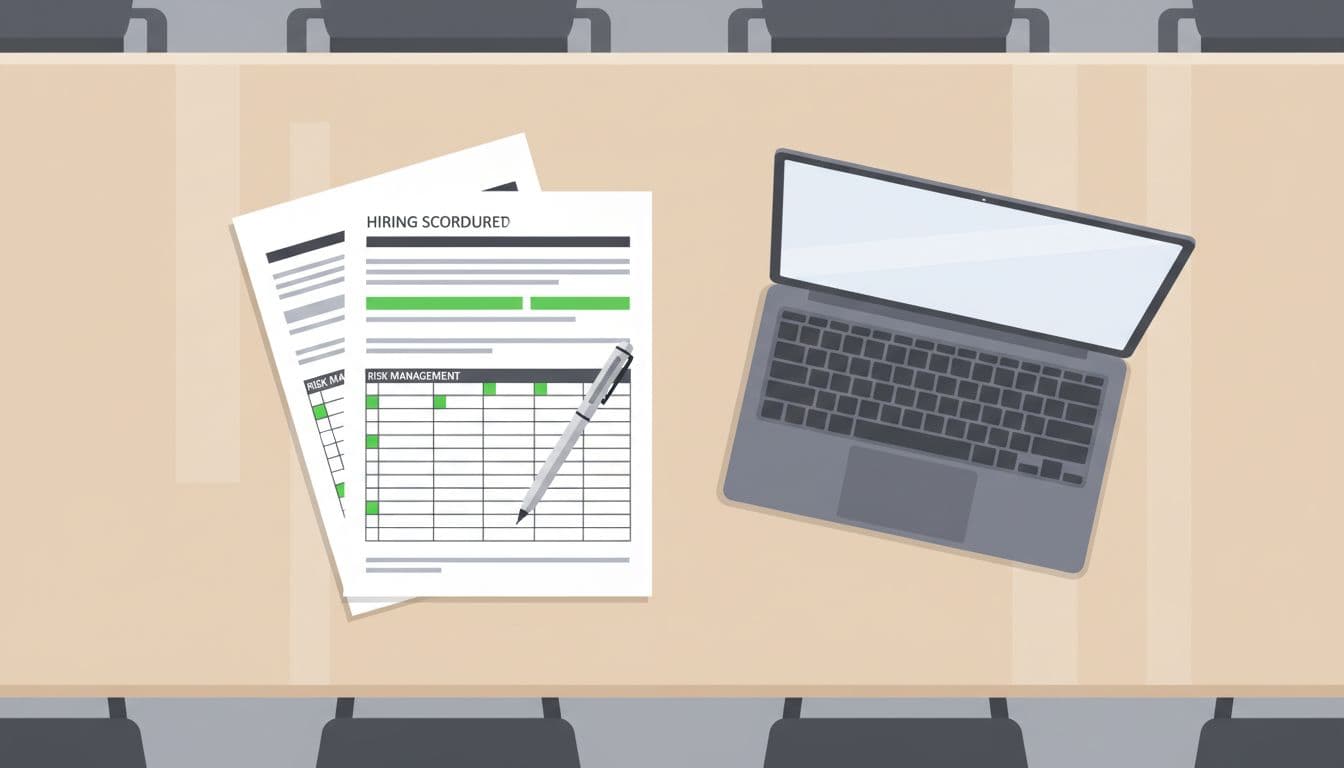
For most senior security roles, these criteria form the spine of the scorecard:
| Competency | Strong evidence | Weak signal |
|---|---|---|
| Risk management | Prioritized risk by loss, likelihood, and business impact | Talks only in tools or CVSS |
| Incident response leadership | Led command, legal comms, and executive decisions | Describes tasks, not leadership |
| Stakeholder communication | Tailored message for board, finance, legal, and engineering | Uses jargon or blame |
| Security program building | Set roadmap, budget, metrics, and operating rhythm | Managed projects, not programs |
| Cloud and architecture judgment | Balanced security with developer speed in cloud-native systems | Gives rigid answers with no trade-offs |
| Compliance fluency | Turned PCI, ISO, SOC 2, NIS2, or SEC pressure into workable controls | Treats compliance as paperwork |
| People leadership | Hired, coached, and reset weak teams | Confuses seniority with leadership |
Then assign ownership. Your incident leader should score incident command. The CTO or principal architect should score architecture judgment. Talent partners can test motivation, clarity, and compensation fit, but they shouldn’t guess at deep technical judgment.
Use scenario prompts, not trivia. For example, ask, “You inherit weak cloud IAM, a noisy backlog, and board concern after an AI data leak. What do you do in 90 days?” The answer shows prioritization, communication, and program-building in one move.
Calibrate interviews before bias creeps in
Without calibration, scorecards turn into theater. One interviewer rewards polish. Another rewards packet-level depth. The panel thinks it’s aligned, but it isn’t.
Use the same core prompts for every finalist. Then require each interviewer to write notes and scores before the debrief starts. If someone can’t cite evidence, the score shouldn’t stand.

If the panel can’t point to observed behavior, it isn’t a real hiring signal.
A few simple rules help a lot:
- Assign competencies: Each interviewer owns two or three areas, not the whole role.
- Anchor ratings: Define what a 2, 3, and 4 look like in behavior.
- Separate signal from style: Confidence isn’t the same as judgment.
- Check AI use: If screening tools rank candidates, audit them and keep human review in the loop.
This matters even more when teams use automation. Practical guidance on bias mitigation in AI recruiting makes the point well: standardize inputs, monitor outcomes, and never let a model become your hiring manager.
Brand-name employers can also distort judgment. A candidate from a famous company may sound impressive, yet still lack true ownership. Ask what they personally changed, what trade-offs they made, and what results held six months later.
Run the debrief like an incident review
Final debriefs fail when they start with opinions. Start with the must-have competencies and walk through evidence. Ask each interviewer what they heard, what they scored, and why.
This is where senior roles separate themselves. The best candidates don’t just know security. They can explain risk to a CFO, challenge a product deadline, and still keep engineering engaged. That blend shows up often in discussions about what hiring execs look for in a CISO.
If two finalists look close, return to role outcomes. Who can build the program, lead through a breach, and guide the business through AI and regulatory pressure? The better hire is the one with clearer evidence, not the better story.
A good scorecard won’t remove risk from hiring. It will make judgment visible. When the panel agrees on outcomes, uses anchored evidence, and checks bias early, senior security hiring gets faster and better. In a market full of polished resumes, evidence still wins.