table of contents
Hiring offensive security talent sounds simple until the resumes start landing. Then the role blurs. One candidate says red team, another says pen test, and a third can code detection rules but has never run an adversary simulation.
For mid-market teams, a bad hire hurts twice. It burns budget, and it delays real testing where it matters most, like cloud identity, SaaS abuse, and AI-enabled workflows. The fix is to treat red team hiring like engagement scoping. Get the mission right first, then the title, then the scorecard.
Lock these five decisions before posting the role
A red team hire without a clear mission is like buying a locksmith’s toolkit when you really need a building inspector. Both know doors, but the job is not the same.
Start with five decisions:
- Mission: Do you need adversary simulation, a point-in-time test, purple teaming, or follow-through engineering?
- Environment: Name the targets, such as Microsoft 365, Okta, AWS, endpoints, business apps, OT, or AI systems.
- Depth: Is this a quarterly capability, or a one-off project tied to audit, board pressure, or a recent incident?
- Delivery model: Will the work sit with one employee, a contractor, or a consultancy-led program?
- Success metrics: What should improve in 90 days, 6 months, and 12 months?
In 2026, many mid-market companies are hiring for proof of skill, not pedigree alone. That makes the job description more important than the candidate’s degree. Write the req around real attack paths and business goals, not vague phrases like “ethical hacker wanted.”
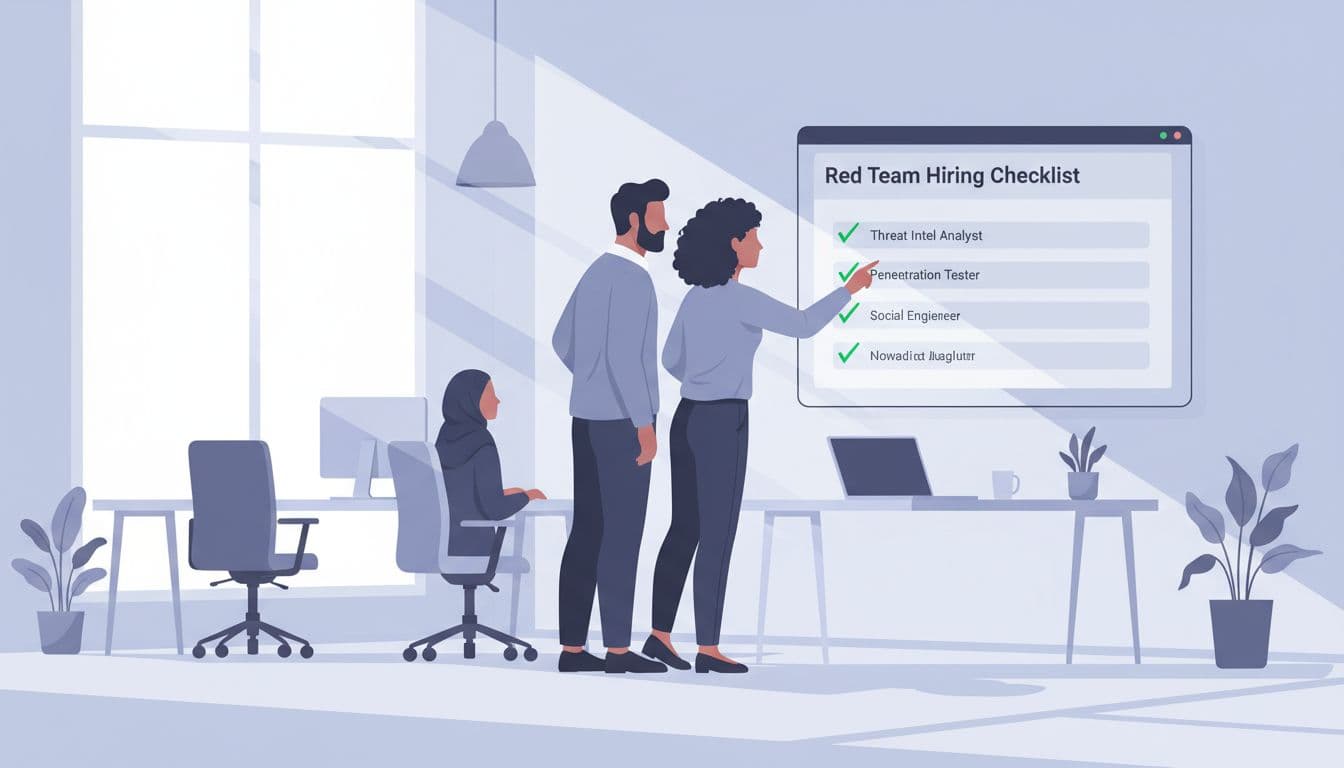
If you need a planning baseline, RedTeam.Guide’s development checklist is a useful place to start. It helps frame scope, rules of engagement, and team design before you open a req.
Avoid role confusion before red team hiring starts
Most hiring mistakes happen because leaders buy a label, not an outcome. A strong pen tester can still be the wrong first hire. The same goes for a great security engineer.
This quick comparison keeps the roles separate. For a broader overview, see TechTarget’s guide to red, blue, and purple teams.
| Role | Main job | Best first hire when | Good candidate signs |
|---|---|---|---|
| Red teamer | Runs goal-based adversary simulations across people, process, and tech | You need to test whether defenses catch real attack chains | Talks about objectives, ATT&CK mapping, rules of engagement, and executive reporting |
| Penetration tester | Finds and proves exploitable flaws in a defined scope | You need depth on an app, external perimeter, or compliance test | Shows safe repro steps, root cause thinking, and clear remediation advice |
| Purple teamer | Works with defenders during testing to improve detections fast | You want learning loops, not just findings | Can explain logs, detection logic, and how to tune controls with the SOC |
| Security engineer | Builds and hardens controls, tooling, and automation | Findings pile up and nobody has time to fix them | Automates guardrails, improves IAM and EDR, and closes repeat gaps |
Here is the shortcut. If your goal is to pressure-test your SOC against lateral movement or cloud privilege abuse, hire a red or purple team profile. If you need a deep test of a payment app, hire a pen tester. If the main problem is weak follow-through, hire a security engineer first.
When to hire internally, and when a consultancy is the smarter call
Most mid-market companies do not need a full internal red team on day one. A blended model often works better, especially when hiring bandwidth is tight.
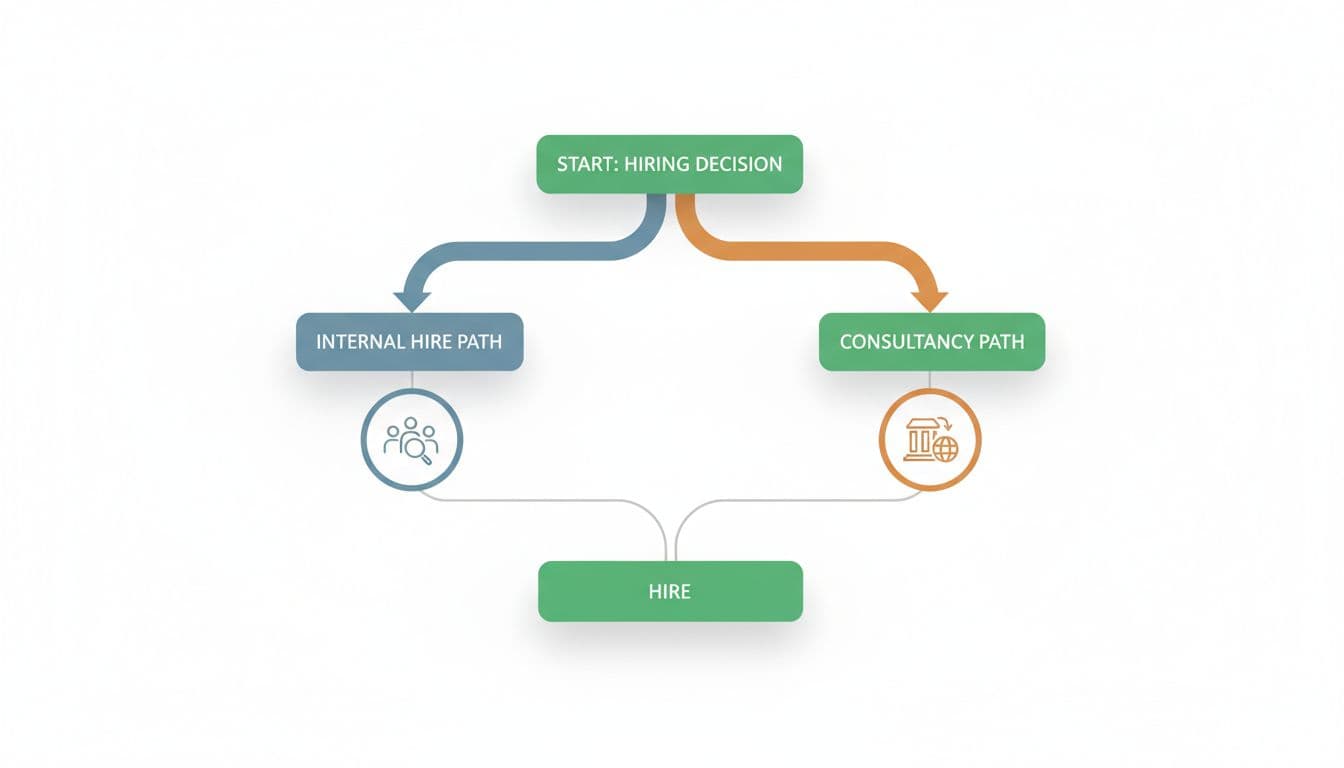
Hire internally when the work is repeatable, tied to your environment, and needs close coordination with defenders. That usually means quarterly exercises, deep cloud knowledge, and steady follow-up with security engineering.
Use a consultancy when the need is urgent, niche, or short-term. That’s common for OT testing, AI red teaming, M&A diligence, or a board-requested exercise with a hard deadline.
If you can’t name the first three campaigns the new hire will run, start with a consultancy.
Contractors can bridge the gap as well. In 2026, many teams start with project-based offensive talent, then convert the right person later. That lowers risk and gives you real output before a full-time commitment. If you’re building leadership on top of the function, this hiring guide for red team leaders is a helpful check on what senior ownership should look like.
Screen candidates ethically, legally, and with a clear scorecard
Offensive security interviews can go off the rails fast. Keep every step job-related, consistent, and documented. Use the same scorecard for each candidate. Also, limit background checks to what is relevant and allowed in your location.
Never ask a candidate to attack your production systems. Don’t ask for code, payloads, or reports taken from a previous employer either. A good interview proves skill without crossing legal or ethical lines.

What does “good” look like in screening?
- Strong scoping habits: The candidate asks about authorization, rollback, and business impact before naming tools.
- Clear communication: They explain one past exercise from goal to report, including what failed.
- Safe testing judgment: They suggest a lab, replay, or simulation instead of risky live-fire shortcuts.
- Defender mindset: They can tie an attack path to detections, response, and fixes.
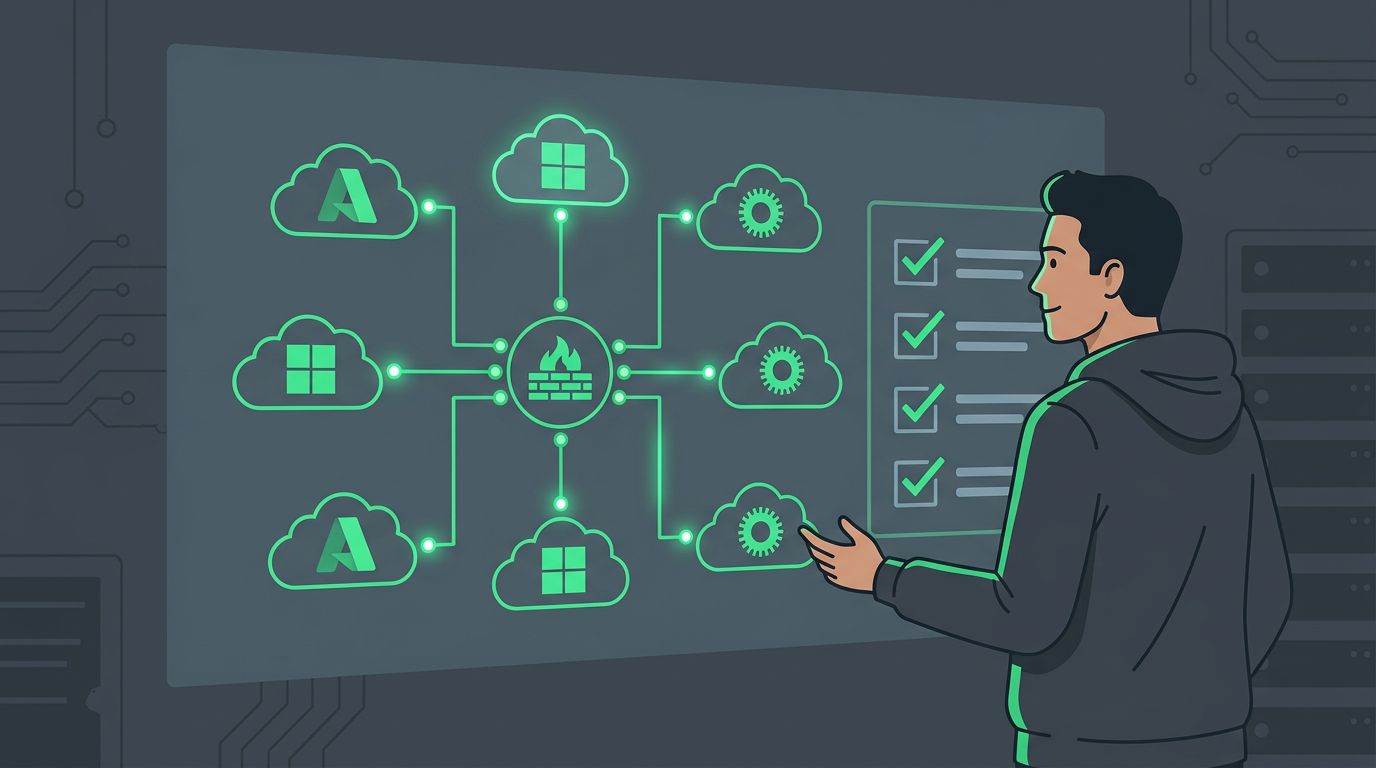
A simple scenario works well. Ask how they’d test a user-to-admin path across Microsoft 365 and Okta. Strong candidates ask about logging windows, approved actions, and evidence handling. Weak ones jump straight to exploits.
Finally, set success metrics before the offer. Good examples include exercise cadence, coverage of top attack paths, detection improvements after purple sessions, remediation rates on validated findings, and time from kickoff to executive-ready report. Risk Crew’s red team metrics guide is a useful reference for shaping that scorecard.
Mid-market red team hiring works when the mission is narrow, the role is accurate, and the interview proves judgment, not just flash. Start with the outcome you need. Then match it to the right role and hiring model. The best first hire should improve detections, speed up fixes, and give leaders clearer decisions, not just produce dramatic demos.