table of contents
You should hire a SOC manager when alerts keep piling up, escalations feel uneven, and your security lead is stuck running the queue. At that point, the team needs more than a strong analyst. It needs someone who can run the room, coach people, and keep incidents moving.
A good SOC manager sits between hands-on operations and business leadership. If you make the hire too late, the team burns out. If you make the wrong hire, the SOC turns into a noisy inbox with expensive tools.
Before You Hire SOC Manager Talent, Confirm the Need
A growing team usually needs a SOC manager before it feels fully ready. The common trigger is not headcount alone. It’s loss of control.
Look for patterns. Analysts work hard, but triage quality varies. The same alert gets handled three different ways. Incident updates arrive late. Meanwhile, your CISO, security director, or lead engineer keeps stepping in to assign work or calm stakeholders.
Use this quick check before opening the req:
| Signal | What it means |
|---|---|
| 4 or more analysts, or multiple shifts | Daily coordination now needs an owner |
| Repeated after-hours incidents | On-call, handoffs, and escalation paths need structure |
| SIEM noise keeps rising | Someone must tune process, not only tools |
| MDR, IT, and security overlap is messy | You need one clear operator in the middle |
If only one signal is present, you may still need a senior lead analyst. If two or more show up every week, it’s time to hire.
For a broader view of team build-out, Exabeam’s SOC hiring handbook is useful background. Still, your own operating pain should drive the timing.
What a SOC Manager Owns Day to Day
A SOC manager owns operations quality. That includes alert triage standards, incident coordination, analyst coaching, shift coverage, queue health, and reporting. The role also owns how the SOC works with IT, cloud, legal, HR, and executives during stressful moments.
That means the job is wider than many hiring teams expect. As SOC roles and responsibilities show, the SOC is a mix of people, process, and tooling. Your manager has to keep all three moving.
Must-have technical baseline
This person does not need to be your best detection engineer. They do need strong judgment across incident response, common attacker paths, logging gaps, and escalation flow. They should speak clearly about SIEM tuning, SOAR playbooks, case management, and alert fatigue.
Look for candidates who can explain:
- how they reduced false positives without hiding risk
- how they improved mean time to detect or respond
- how they partnered with engineering, cloud, or endpoint teams
- how they handled MDR providers or third-party escalation
- which metrics changed after process fixes
Certifications can help, but they don’t prove fit. Experience running a live queue matters more.
Must-have leadership baseline
The role also needs steady people leadership. A good SOC manager hires well, coaches weak spots early, protects the team from chaos, and gives execs calm, useful updates. Wiz’s overview of the SOC manager role captures that bridge between technical work and leadership well.
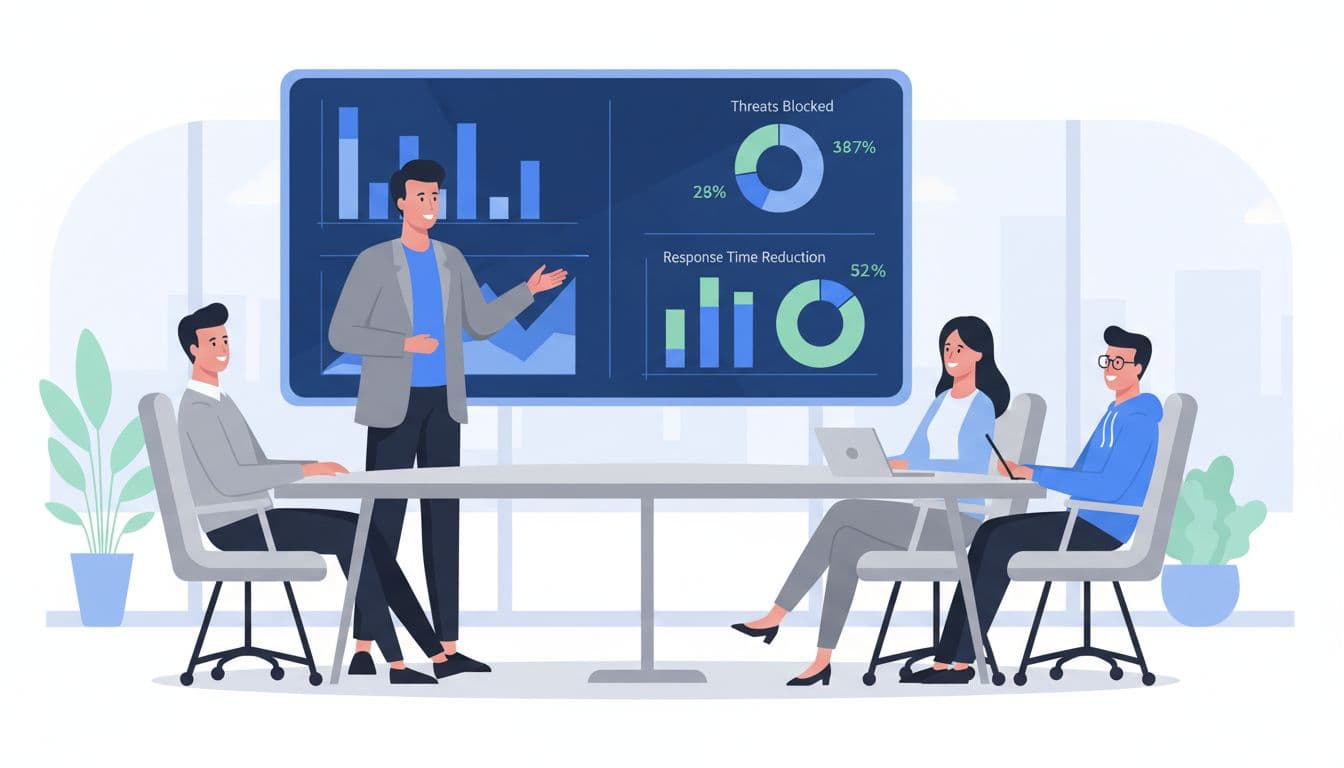
The strongest hires own metrics, not vanity numbers. Ask for examples of queue backlog, escalation quality, coverage gaps, analyst quality reviews, false positive rates, and incident SLA performance. Then ask how they turned those numbers into action.
How to Interview and Assess the Right SOC Manager
Interviews for this role should feel more like a tabletop than a résumé review. You are hiring judgment under pressure.
Sample interview questions that reveal the right signals
Use a short set of scenario-based questions:
- Incident command: Tell me about the last serious incident you coordinated. What happened in the first hour?
- Shift leadership: How did you staff nights, weekends, or follow-the-sun coverage without burning people out?
- SIEM and SOAR: Describe a rule, detection, or workflow change that improved outcomes.
- Metrics ownership: Which SOC metrics did you report monthly, and which ones did you stop using?
- Stakeholder communication: How did you brief executives during an active event when facts were still changing?
Good answers are concrete. Candidates should name tradeoffs, not only wins. They should talk about decisions, not only team effort.
How to test incident response and operations skill
Run a practical exercise. Give the candidate a short breach scenario, such as suspicious OAuth activity tied to data access, and ask them to walk through the first 60 minutes. Listen for sequencing. Do they validate scope, preserve evidence, assign owners, contain risk, and update the right people at the right time?

Also test team management. Ask how they run handoffs, quality checks, coaching, and escalation reviews. A manager who can’t explain schedule fairness, analyst growth, and burnout signs will struggle fast.
For extra perspective, Devo’s tactical guide for SOC managers is a helpful reference on the balance between operations and leadership.
Don’t confuse your best analyst with your best SOC manager.
Mistakes to Avoid When You Hire SOC Manager Candidates
The most common mistake is hiring for tool depth and hoping leadership appears later. It usually doesn’t. Another mistake is giving the role broad blame but little authority. If the manager can’t shape process, staffing, or escalation rules, the title won’t fix the problem.
Also, don’t ignore communication. A candidate may shine in a console review and still fail in front of legal, IT, or the exec team. The role touches incident response, SIEM ownership, MDR alignment, blue team scope, SOC analyst hiring, and wider security leadership plans. If those lines stay fuzzy, the new manager inherits confusion.
Finally, avoid vague scorecards. Decide before interviews what success looks like in six months.
FAQ
Should a SOC manager still be hands-on?
Yes, but not as the team’s main firefighter. They should be able to step in during serious incidents, review detections, and coach analysts from real examples.
Can an MDR provider replace a SOC manager?
No. MDR can extend coverage, but someone inside your business still has to own priorities, escalations, and stakeholder communication.
What matters more, certifications or experience?
Experience matters more. Certs can support credibility, but real proof comes from incident leadership, team management, and measurable SOC improvements.
How long should the hiring process take?
Move fast enough to keep strong candidates engaged, but leave room for one scenario-based assessment. Two to four stages is usually enough.
A strong SOC doesn’t fail because people lack effort. It fails when no one owns the system around them. If that’s where your team is heading, make the SOC manager hire now, and hire for judgment, structure, and trust.