table of contents
One convincing message can reroute payroll, expose employee records, or trigger a bad wire. That’s why social engineering defense can’t stop at awareness training.
HR and finance sit closest to money, identity, and trust. Attackers know that, and in 2026 they’re using AI-written email, voice cloning, and fake video calls to make rushed requests feel normal.
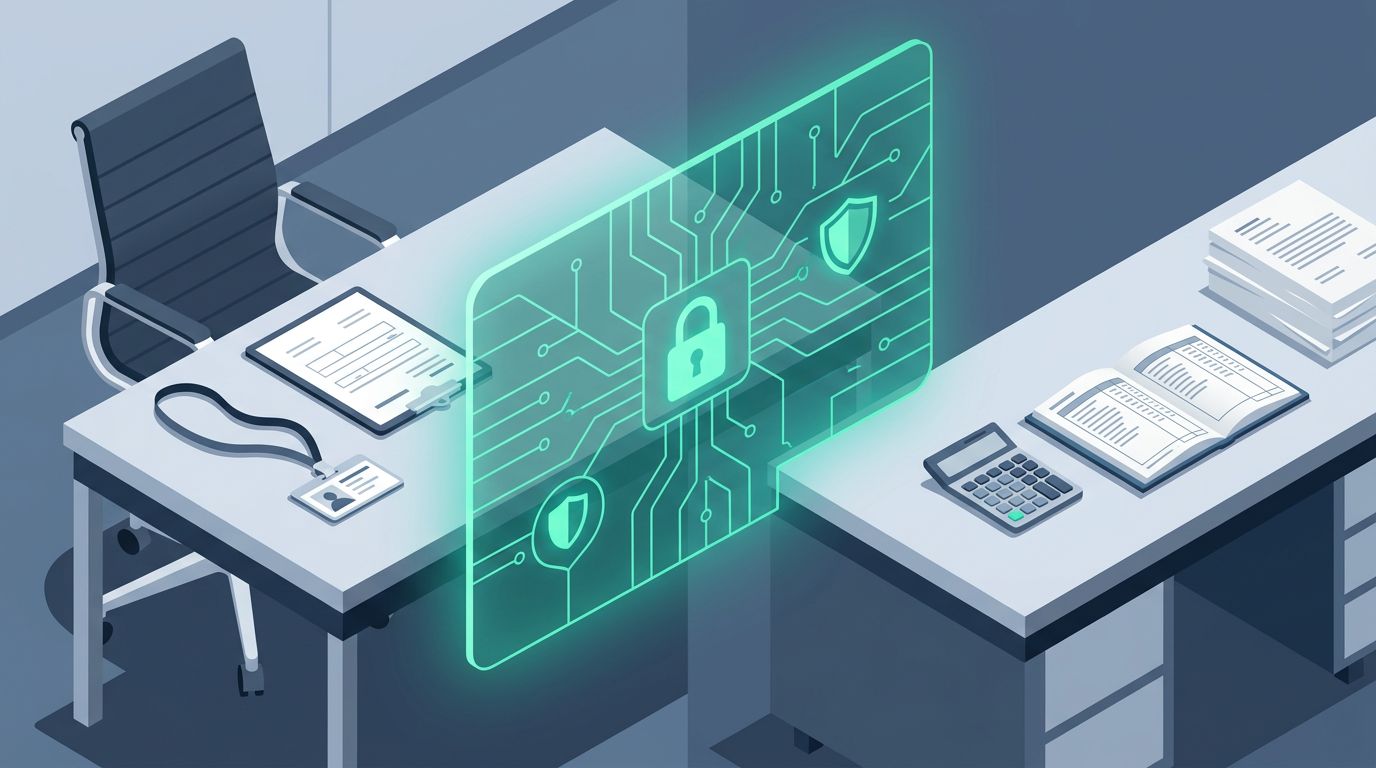
A strong plan works like a circuit breaker. It slows the right workflows, forces proof, and gives staff a clear path when something feels off.
Why process beats instinct in HR and finance
Recent reporting points to a sharp rise in AI-assisted phishing, credential theft, and business email compromise. One early 2026 roundup cited a 703% jump in credential phishing over the last year, plus a 15% rise in BEC emails in 2025. In other words, the old red flags are fading. Grammar checks won’t save you when the fake request sounds exactly like your CFO.

The biggest mistake is treating this as a people problem alone. Social engineering succeeds when a workflow allows one person to change pay, release funds, or hand over data without a second proof point. That is why a real defense plan starts with process controls, not posters.
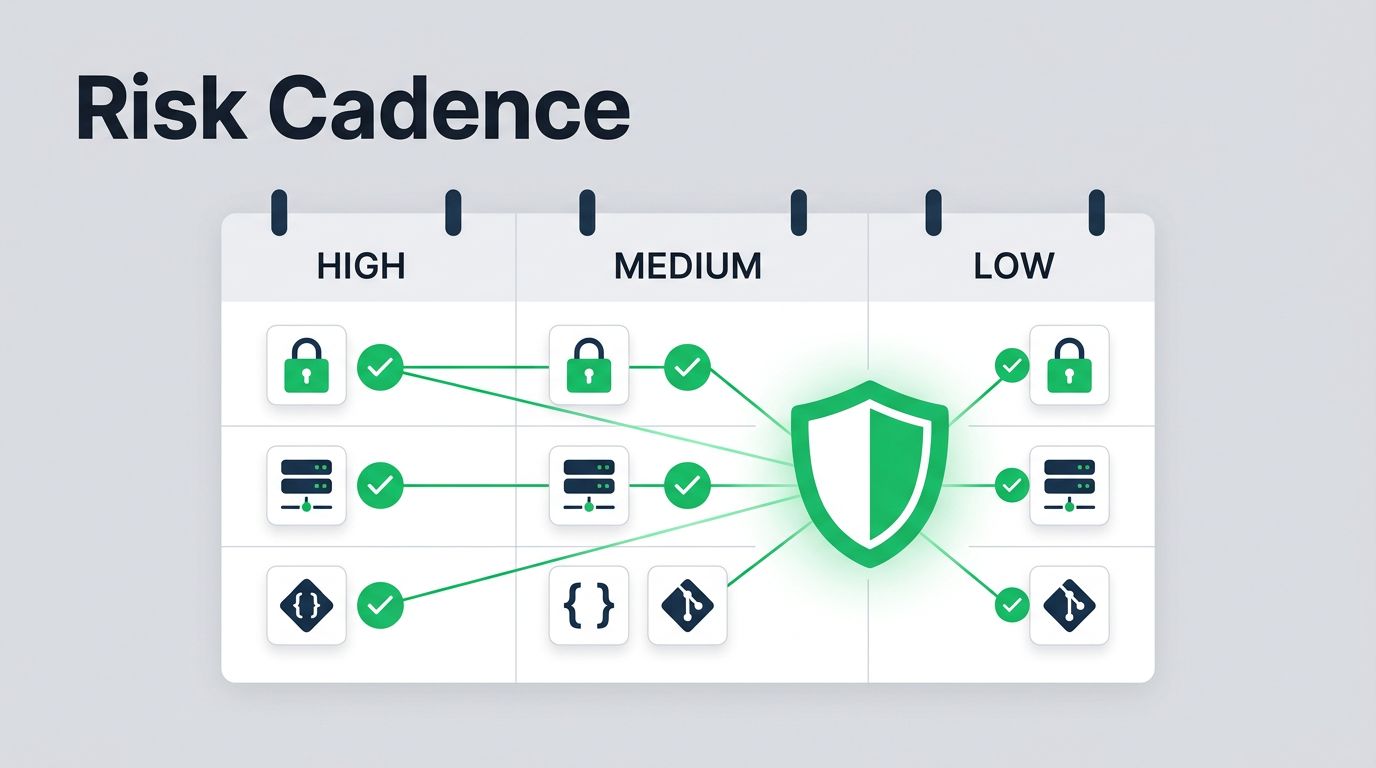
This quick map helps teams decide where to add friction:
| High-risk request | Primary control | Backup control |
|---|---|---|
| Payroll bank change | Callback to known number | 24-hour hold before next pay cycle |
| New vendor or bank update | Out-of-band vendor verification | Second approver outside requester chain |
| Employee PII request | Identity check and case ticket | Minimum-data release rule |
| Urgent executive payment request | Callback plus approval matrix | Fraud escalation path |
If a request changes money, identity, or access, verify it outside email.
For a current look at wire fraud patterns, see this 2026 BEC overview.
Build an HR defense plan around payroll and PII
HR faces two common traps. First, attackers try to hijack payroll through direct deposit changes. Second, they fish for employee data, such as W-2 details, addresses, or ID numbers. Both attacks work because the request often looks routine.
Start with least privilege. Only a small set of staff should view full employee records, change bank details, or export payroll files. In many smaller firms, that means one HR admin and one backup, not the whole department. Also remove stale access fast when roles change.
Next, lock down payroll change procedures. Never accept bank changes from email alone, even if the message comes from a known employee. Use callback verification to a number already on file, not a number in the request. Then add a cooling-off period before the new account becomes active. A simple 24-hour hold can stop a rushed fraud attempt.

A practical HR checklist should stay short:
- Payroll changes: Verify by callback, require a second reviewer, and delay same-day updates.
- PII requests: Release only the fields needed, through a ticketed process with manager approval.
- Inbox safety: Block auto-forwarding on shared HR mailboxes and watch for MFA prompts tied to payroll apps.
- Executive requests: Treat requests for W-2s or employee lists as high-risk, even when they sound familiar.
The Payroll Pirates case study shows how simple payroll fraud can be. This direct deposit fraud prevention playbook also offers a useful model for small teams.
A quick example helps. If an employee emails at 4:45 p.m. asking to change bank details before payroll closes, HR should pause the request, call the employee using the number in the HRIS, document the callback, and wait until the next approved window.
Finance needs hard stops for payment and vendor changes
Finance gets hit where speed and trust collide. The classic attack is still an urgent transfer. Now, though, it may arrive with a polished email, a follow-up call, and even a fake video message from an executive. If the process allows overrides, attackers will find them.
Set up payment-change procedures that no one can bypass. New vendors, updated bank accounts, and first-time wire requests should all require out-of-band verification. That means calling a known contact from your existing records, not replying to the email thread. If the vendor is new, verify through a public company number or an onboarding record created before payment.
Executive impersonation needs its own guardrails. A CFO should never be able to trigger a same-day wire by email or chat alone. Use an approval matrix with dollar thresholds, named approvers, and a rule that urgent requests still need callback confirmation. Deepfake audio or video should not change that rule.
Vendor master data is another weak spot. Limit who can edit it. Separate vendor setup from payment approval where possible. Even in a lean team, one person can enter the change and a second can release it later. That split lowers risk without adding much overhead.
For invoice and wire requests, finance should follow one simple habit: trust the workflow, not the message. A real supplier won’t object to a verification call. A fraudster usually will.
Make the plan workable for smaller security teams
You don’t need a huge security staff to run this well. You need a short playbook, named owners, and a clean escalation path. Keep it simple enough that HR and finance can use it during a busy week.
Use this four-step path for suspicious requests:
- Pause the action: No payment, data release, or bank change moves forward.
- Verify out-of-band: Call a known number or use an approved internal channel.
- Escalate fast: If anything doesn’t line up, notify the department lead, IT, and security contact.
- Contain and record: Lock the account if needed, preserve the message, and log the incident.
That path matters because many attacks chain together. A fake payroll email may lead to stolen credentials. A fake vendor message may expose the ERP or inbox next. Therefore, escalation can’t stop with “we caught it.” It should trigger a quick review of mailbox rules, MFA prompts, login logs, and recent account changes.
Run two table-top tests each quarter, one for HR and one for finance. Pick a realistic scenario, such as a direct deposit change or a CEO wire request. Then time the response. If people hesitate on who to call, your process still has gaps.
A good social engineering defense plan doesn’t ask staff to be human lie detectors. It gives them rules that hold up when pressure hits.
Start with the workflows that move money or employee data. Tighten those first, and your biggest risks shrink fast.
This week, choose one process, payroll changes or vendor bank updates, and test whether your team would stop a convincing fake.