table of contents
Attackers don’t care how small your team is. They scan what the internet shows them, then go after the easiest opening.
That makes external attack surface management a visibility problem before it’s a tooling problem. If you’re short on staff and budget, the win comes from finding the right public assets, ranking them by real risk, and fixing the few exposures that matter most.
Start with what attackers can already see
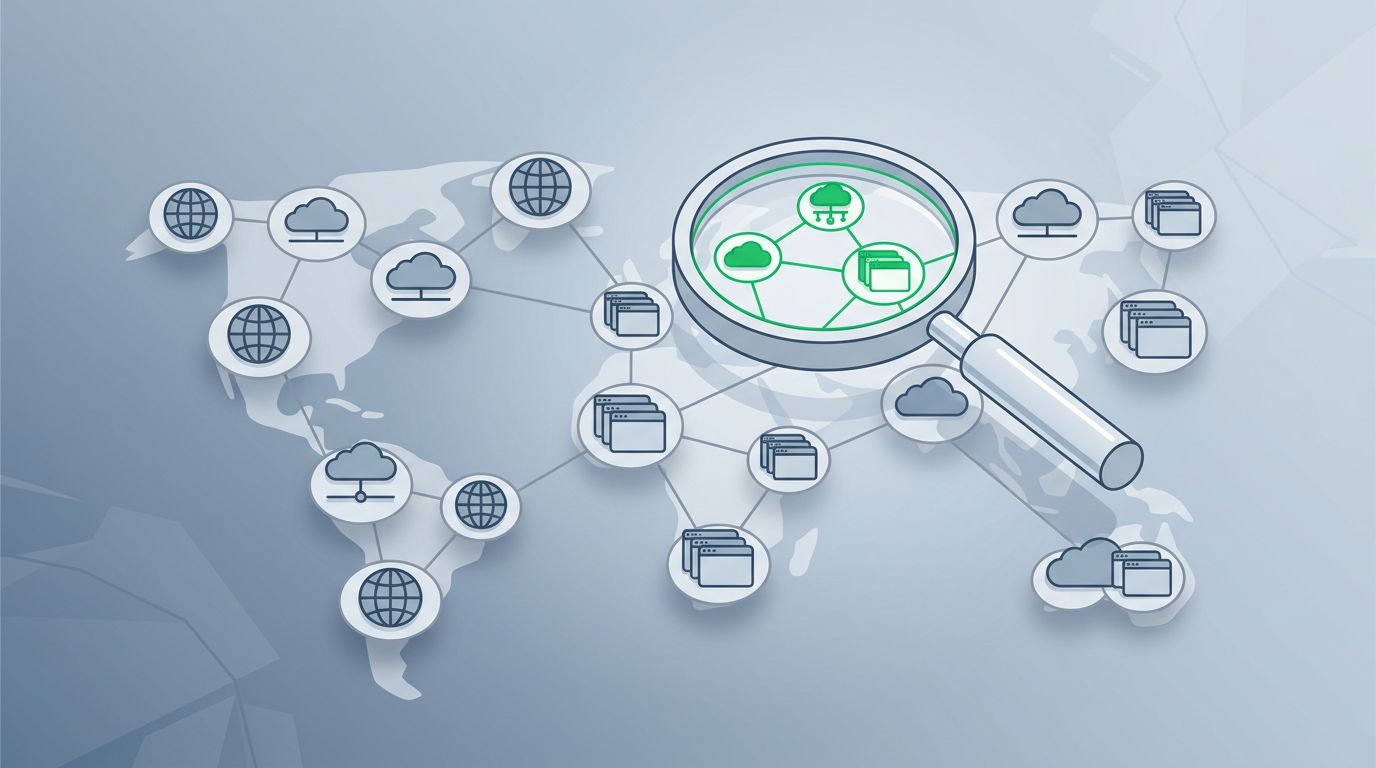
Lean teams shouldn’t start with a giant asset spreadsheet. Start with the things an outsider can reach without credentials: domains, subdomains, public IPs, cloud storage, SaaS portals, exposed services, APIs, remote access tools, and old apps that never got retired.
Shadow IT is where surprises hide. A marketing microsite, a test API on a forgotten subdomain, or a misconfigured third-party service can sit outside your CMDB for months. That blind spot is why OWASP Amass still makes sense as a starting point for subdomain discovery.

Then add context. Pull registrar data, DNS records, certificate transparency logs, cloud account inventories, external scan results, and your vendor list into one working view. In 2026, that matters more because cloud projects, APIs, and connected devices keep adding new public edges. A recent 2026 EASM overview reflects that shift toward continuous monitoring instead of quarterly spot checks.
Ownership matters as much as discovery. If you find an internet-facing asset but can’t name the app owner, treat it as higher risk until proven otherwise. Forgotten assets are often weakly patched, tied to stale credentials, or routed through old vendors.
A simple example makes the point. Say you uncover an old support portal on help-old.company.com, pointing to a third-party platform nobody remembers. It’s still indexed, still reachable, and still branded as yours. That one asset can create account abuse, data exposure, and brand damage, even if the server count looks small.
Prioritize findings by business risk, exploitability, and exposure
Big finding counts create false comfort. Fifty low-value issues can hide one exposed admin login tied to payroll, customer data, or production access.
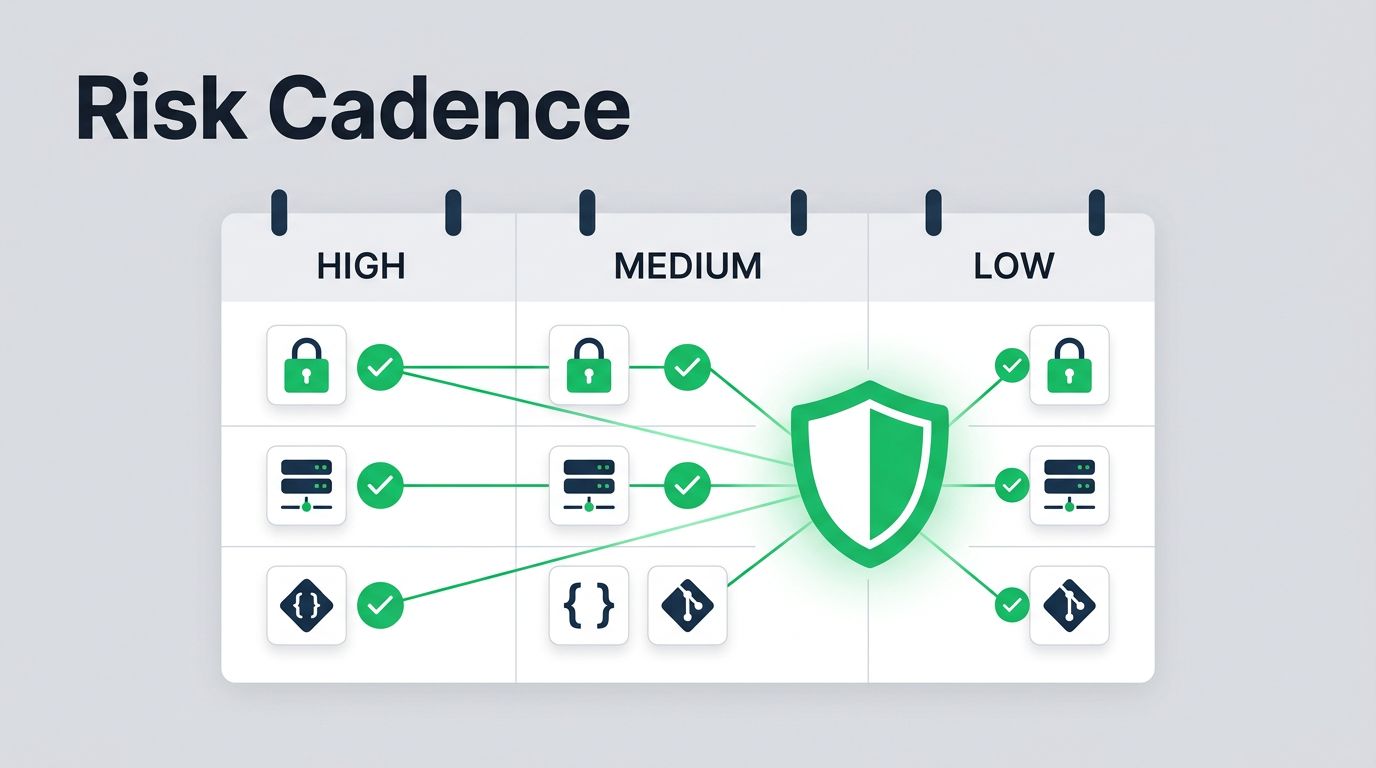
Use three filters instead. Business risk asks what breaks if the asset is abused. Exploitability asks how hard the attack would be. Exposure asks how visible and reachable the asset is from the public internet. Assets linked from your main site, indexed by search engines, or exposed on common ports deserve extra attention.
This quick model works well for small teams.
| Finding | Business effect | Ease and exposure | Priority |
|---|---|---|---|
| Payroll admin page on public subdomain | Employee data and pay disruption | Public login, easy to target | Highest |
| Open dev storage bucket with backups | Secrets and source code loss | Direct public access | Highest |
| Old event microsite with outdated CMS | Brand damage, limited data | Public, but isolated | Medium |
The takeaway is simple: the payroll page and open bucket beat the microsite, even if the microsite throws more scanner alerts.

One exposed asset tied to sensitive data outranks a page of noisy findings.
Also, don’t let CVSS or vendor severity drive every decision. An exposed service with weak auth, default config, or known attack paths often deserves action before a “critical” issue on a dead-end host. In the same way, a misconfigured third-party help desk, SSO app, or file-sharing portal can jump the queue because attackers can reach it today.
Many platforms now use AI to group duplicates and highlight likely real issues. That helps lean teams move faster. Still, human review stays central, which also comes through in this SOC team EASM guide. Someone still needs to confirm owner, business use, data sensitivity, and whether the asset should exist at all.
Roll out external attack surface management in phases
Small teams usually fail when they try to inventory every asset, connect every tool, and fix every issue at once. A phased rollout works better because it builds trust with IT, cloud, and app owners while reducing risk early.
This plan is simple enough to run with limited headcount.
| Phase | Time box | Focus | Success marker |
|---|---|---|---|
| Baseline visibility | Weeks 1 to 2 | Seed domains, subdomains, IPs, cloud accounts, key vendors | Top public assets mapped to owners |
| Risk cleanup | Weeks 3 to 6 | Remove dead apps, lock down exposed services, fix open storage and weak third-party configs | Critical exposures trending down |
| Continuous monitoring | Ongoing | Review new assets weekly, ticket new risks, track aging findings | New high-risk items triaged fast |
The point isn’t perfection. The point is to stop the obvious doors from staying open.
A weekly workflow your team can keep
Set one short review block each week. On Monday, compare newly seen domains, subdomains, IPs, and services against last week’s baseline. By Tuesday, validate only the top findings. Midweek, send tickets with an owner, proof, and one clear fix step.
Keep one source of truth. For many small teams, that’s the ticket system plus a simple asset sheet. If a finding has no owner, route it to the service manager or cloud lead within a day. Report only three numbers: new public assets, high-risk findings past SLA, and percent with owners.
Budget matters, so reuse what you already have. Cloud-native inventories, DNS logs, certificate transparency data, and registrar records cover more ground than most teams expect. If you need low-cost help, these open-source attack surface management options are a solid starting point, but favor tools with active upkeep and easy exports.
Many teams now fold this work into a wider continuous threat exposure management cycle, or CTEM. Still, labels matter less than rhythm. When discovery, triage, and remediation happen every week, external attack surface management stops being a one-time project and starts reducing real internet-facing risk.
Attackers will keep scanning. Your advantage comes from closing the easy doors before they find them.
For lean teams, external attack surface management works best as a steady habit: discover, rank, assign, fix, and recheck. Start with one domain, one owner map, and one weekly review, then build from there.