table of contents
Growth exposes weak spots fast. A shaky security team structure can hold together at 80 people, then crack when you hit 300.
That pressure shows up everywhere at once, cloud sprawl, customer audits, more vendors, new AI tools, and a product team shipping weekly. If security still depends on one generalist and a few favors from engineering, gaps start to stack up.
The answer isn’t a big org chart. It’s a team design that fits your stage, your product, and the risks you carry now.
Build the team around risk, not titles
The best structure starts with one question: where does risk live in your company today? For a cloud-native SaaS business, that usually means identity, cloud config, product security, detection and response, vendor risk, and customer trust work. In 2026, many fast-growing companies keep the internal team small and use automation plus outside support for round-the-clock monitoring and repetitive triage.
Your first security hire should usually be broad. A strong head of security or senior security engineer can set access rules, logging, incident playbooks, cloud guardrails, and vendor review. That role also translates risk for the exec team. If you’re selling into larger buyers, trust work arrives early, so customer questionnaires and audit prep can’t sit in a random Slack thread forever.
Soon after, most companies need a second split. One lane covers platform and operations, such as IAM, endpoint, cloud posture, detections, and response. The other covers product security, such as secure design reviews, dependency risk, CI/CD checks, and app testing. If your app handles sensitive data or ships AI features, product security should come earlier, not later.
AI adds one more ownership question. Someone inside the company needs clear control over approved use cases, data handling rules, third-party model review, and human sign-off for high-risk workflows. That should stay in-house, even if you buy tools around it.
For a good reminder that org charts often drift from current reality, see Forrester’s take on security organizational design.
If security owns every control, it becomes a bottleneck. If it owns none, it becomes theater.
Sample security team structures by company stage
A fast way to check your current setup is to map it against company stage.
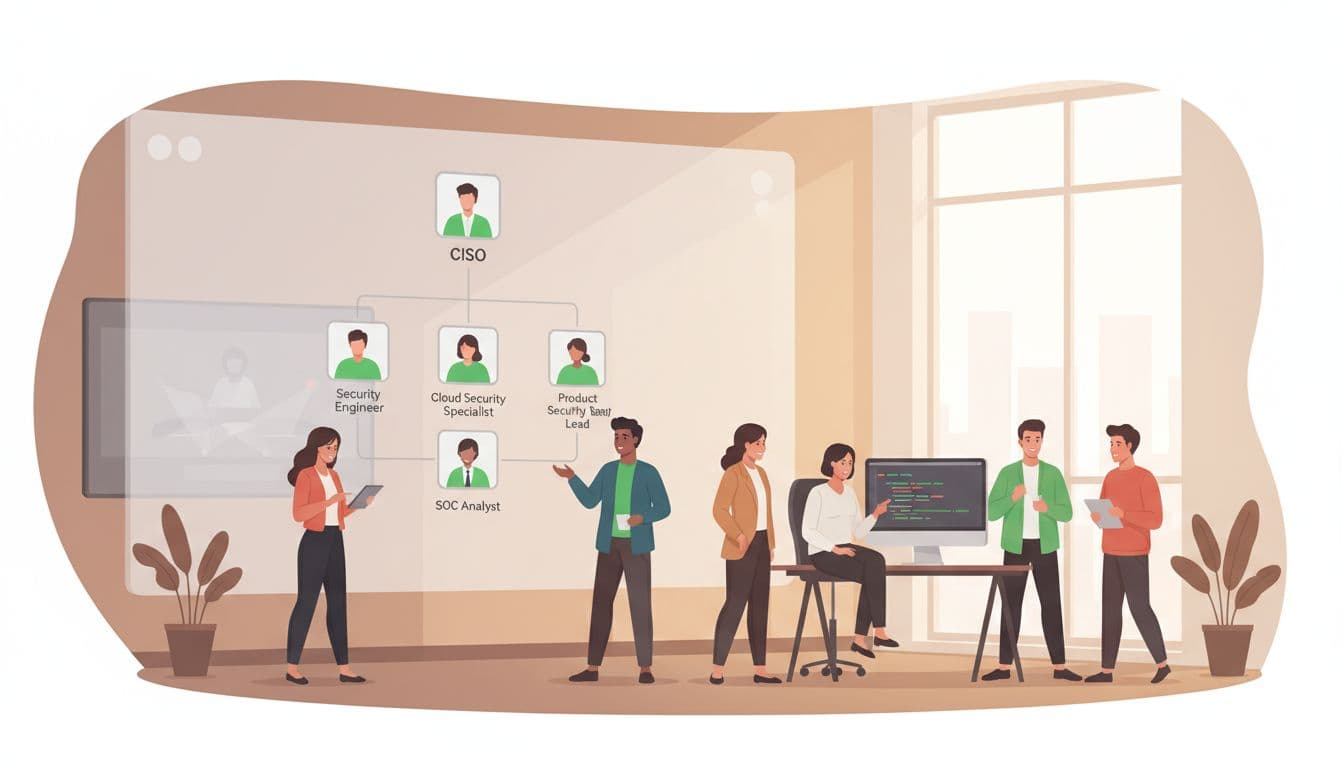
| Stage | Company size | Typical team | Main ownership |
|---|---|---|---|
| Early scale | 100 to 250 staff | 1 internal lead, plus MSSP or vCISO help | SSO/MFA, cloud visibility, vendor review, incident basics |
| Growth stage | 250 to 750 staff | 3 to 6 people | Cloud security, AppSec, trust/GRC, detections, customer security reviews |
| Mid-market scale | 750+ staff | 6 to 12 people | SecOps lead, product security lead, IAM/GRC, IR, AI risk governance |
At the early stage, don’t rush into a full SOC build. You need clear baselines first, identity hygiene, device control, cloud logging, and a response plan people will use. A compliance-only hire rarely fixes the biggest problems here.
By the growth stage, separate product work from infrastructure work. A common team is head of security, security engineer, product security engineer, trust or GRC manager, and outsourced monitoring. That model supports sales, keeps engineering moving, and avoids dumping every task on one person.
Once you pass 750 people, or run multiple products, add leads. Security operations, product security, and governance start to need their own owners. Manager layers can wait until the team has enough scope to justify them.
If you’re unsure when monitoring deserves a dedicated lead, Panther’s 2026 SOC team guide is a useful reality check. For teams leaning harder on automation, Torq’s AI SOC org chart for 2026 shows how AI is changing role design.
Centralized vs embedded security models, and what to outsource
A centralized model puts security in one team. That works well early because standards stay consistent, leaders get one clear owner, and hiring stays simple. The downside appears later. Security becomes a ticket desk, product teams wait in line, and context gets lost.
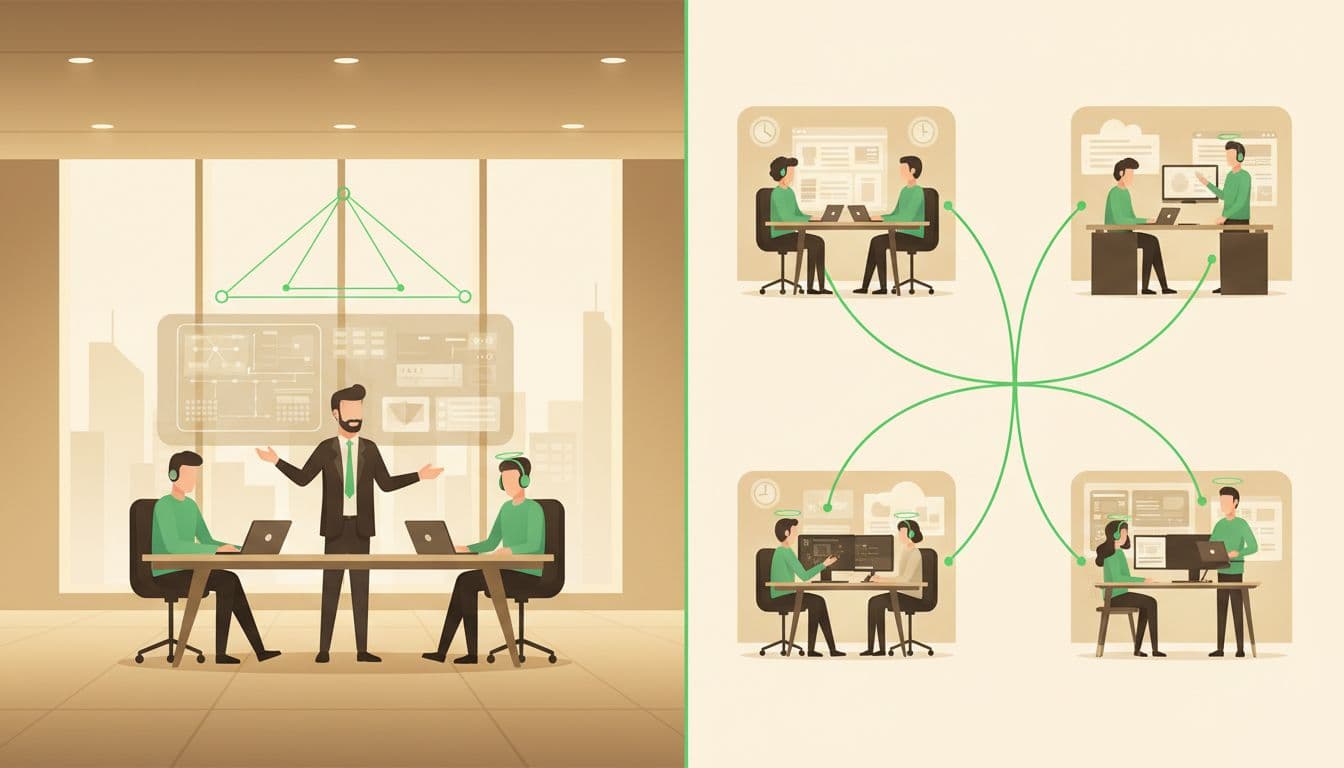
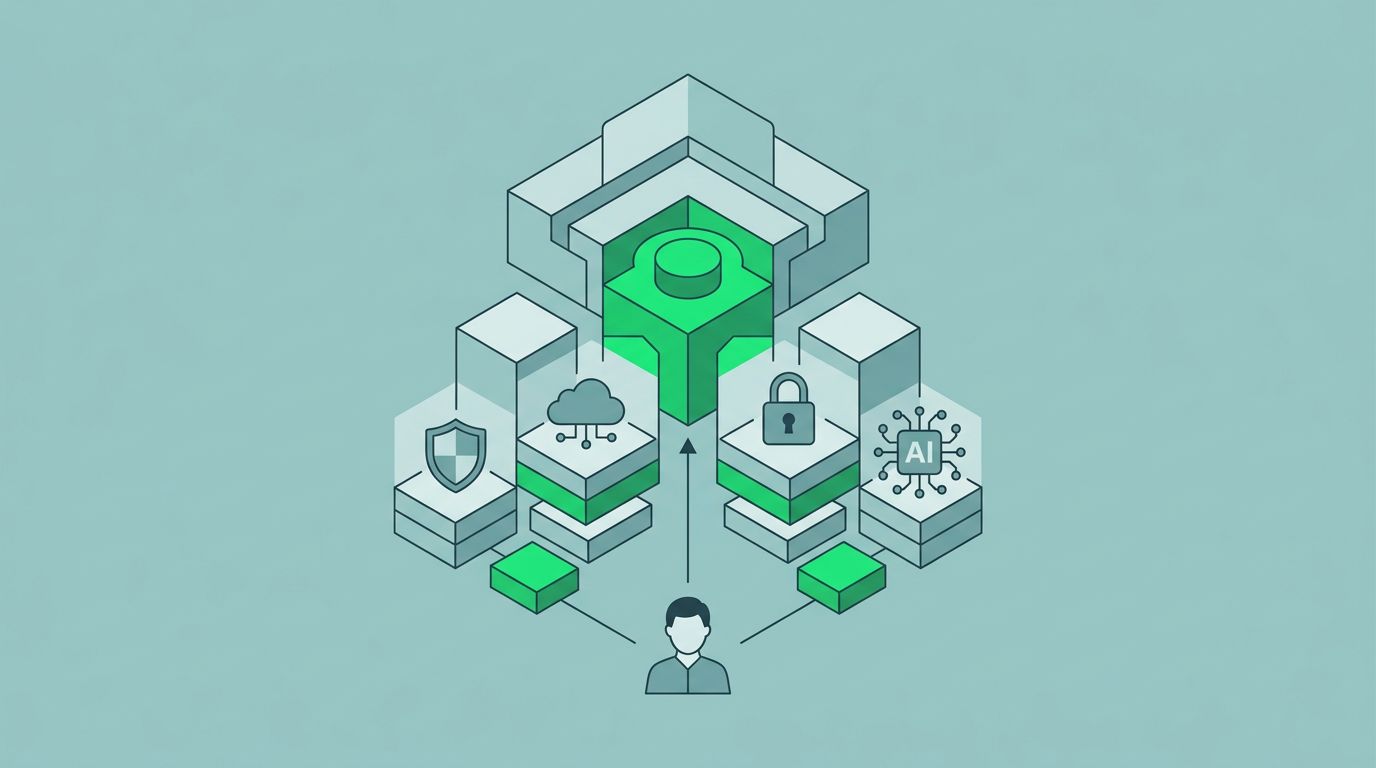
An embedded model places security engineers, or at least security champions, inside product and platform groups. That speeds design reviews, improves day-to-day decisions, and reduces handoffs. Still, it can fragment standards if the core team is weak. Most scaling companies do best with a hub-and-spoke setup: a central team owns policy, shared tooling, major incidents, and hard engineering work; embedded people or champions handle local execution.
A practical split looks like this:
- Keep in-house: security roadmap, cloud architecture decisions, product security, IAM strategy, executive risk reporting, and AI governance.
- Outsource first: 24/7 alert triage, MDR or MSSP coverage, one-off penetration tests, burst incident response, and some audit support.
- Embed carefully: place security near engineering only after you have shared standards, strong logging, and a clear path for escalation.
Security champions can help before you can afford fully embedded hires. The trick is to treat them as a real program, not a side hobby. This security champions program guide offers practical benchmarks for training and support.
If you’re scaling fast, don’t let outside providers become your only operators. They can watch alerts, but they can’t own your product choices, your access model, or your risk calls.
The right security team structure isn’t the biggest one. It’s the one that puts ownership where the risk sits, then adds depth only when the business needs it.
Take one hour this week and review the last six months of incidents, audit pain, and customer asks. The gap that shows up three times is probably your next hire.