
table of contents
An empty unit is like a slow leak in the roof. You may not feel the full damage in week one, but the cost keeps spreading.
In March 2026, the U.S. rental market looks more renter-friendly than it did a year ago. Vacancy is around 8.6% nationally, and rent growth has cooled in many markets. That means prolonged vacancies are less about bad luck and more about how well your unit competes.
The real cost of prolonged vacancies
Most owners focus on lost rent first, and for good reason. Yet the missed rent check is only part of the hit. The mortgage, taxes, insurance, utilities, lawn care, and turnover work keep going while the unit sits still.
For many landlords, one empty month now costs about $2,000 to $3,000 once you add holding costs and prep work. Three empty months can wipe out a year of cash flow on a small property. Longer vacancies also raise repair risk, because empty units can hide leaks, pests, and stale-air issues until they get worse.
The market adds pressure too. According to CRE Daily’s rental market brief, vacancies remain elevated across much of the country, while renters have more choices than they did in recent years. In plain terms, tenants compare harder, negotiate more, and move slower.
That creates a second cost, perception. When a listing lingers, prospects start to wonder what’s wrong with it. Then owners often make late changes instead of early ones, which stretches the loss.
Waiting for the right tenant at the wrong price often costs more than a smart rent reset.
The good news is simple. If you can spot the cause early, you can usually shorten vacancy time without a full overhaul.
How to find the real cause
Start with evidence, not instinct. Pull five active listings that truly compete with yours. Match bedroom count, parking, pet rules, laundry, finish level, and location. Then compare your asking rent to what renters can choose today, not what they paid last spring.
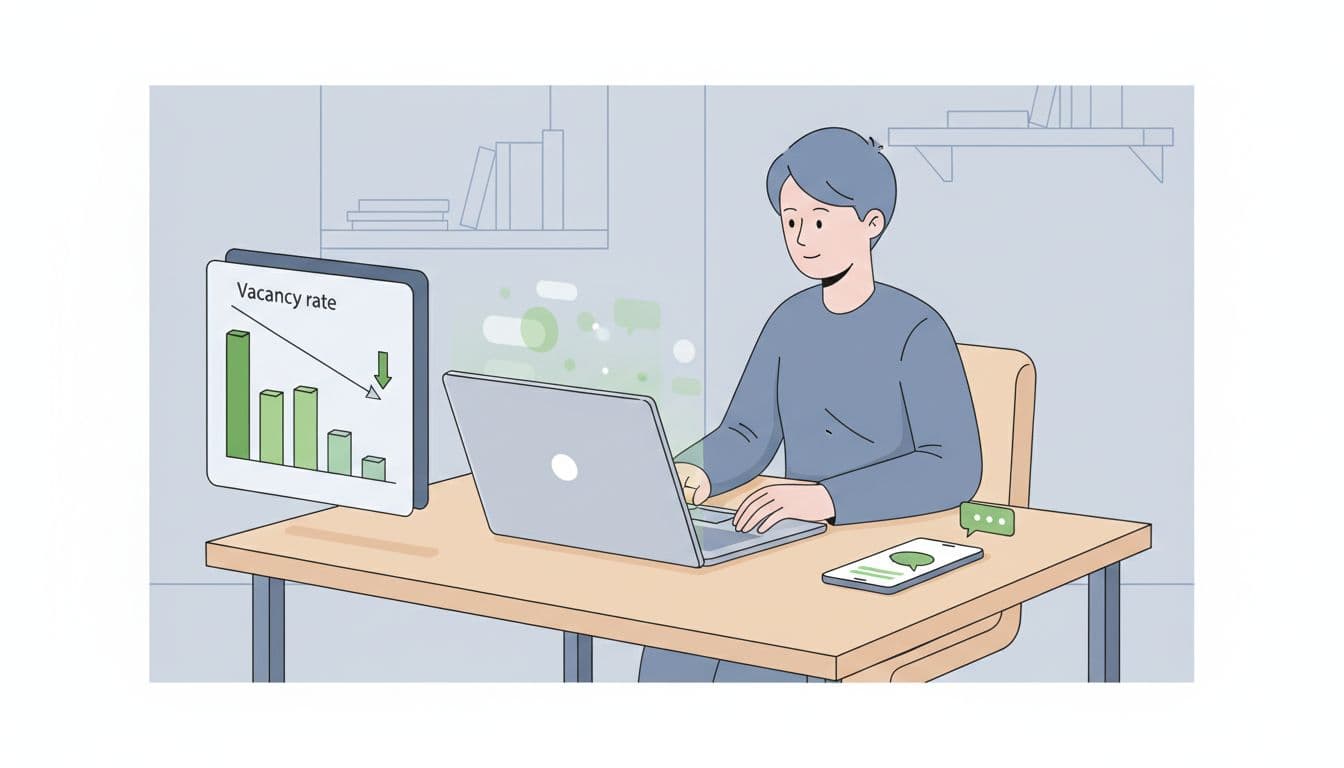
Next, look at the lead funnel. If the ad gets views but few inquiries, the problem is usually the listing copy, price, or photos. If people inquire but don’t book tours, response time or scheduling is likely weak. If showings happen but nobody applies, renters may like the area but dislike the price, layout, or condition.
In most cases, the issue sits in one of five places:
- Price: The rent is based on old comps, not current competition.
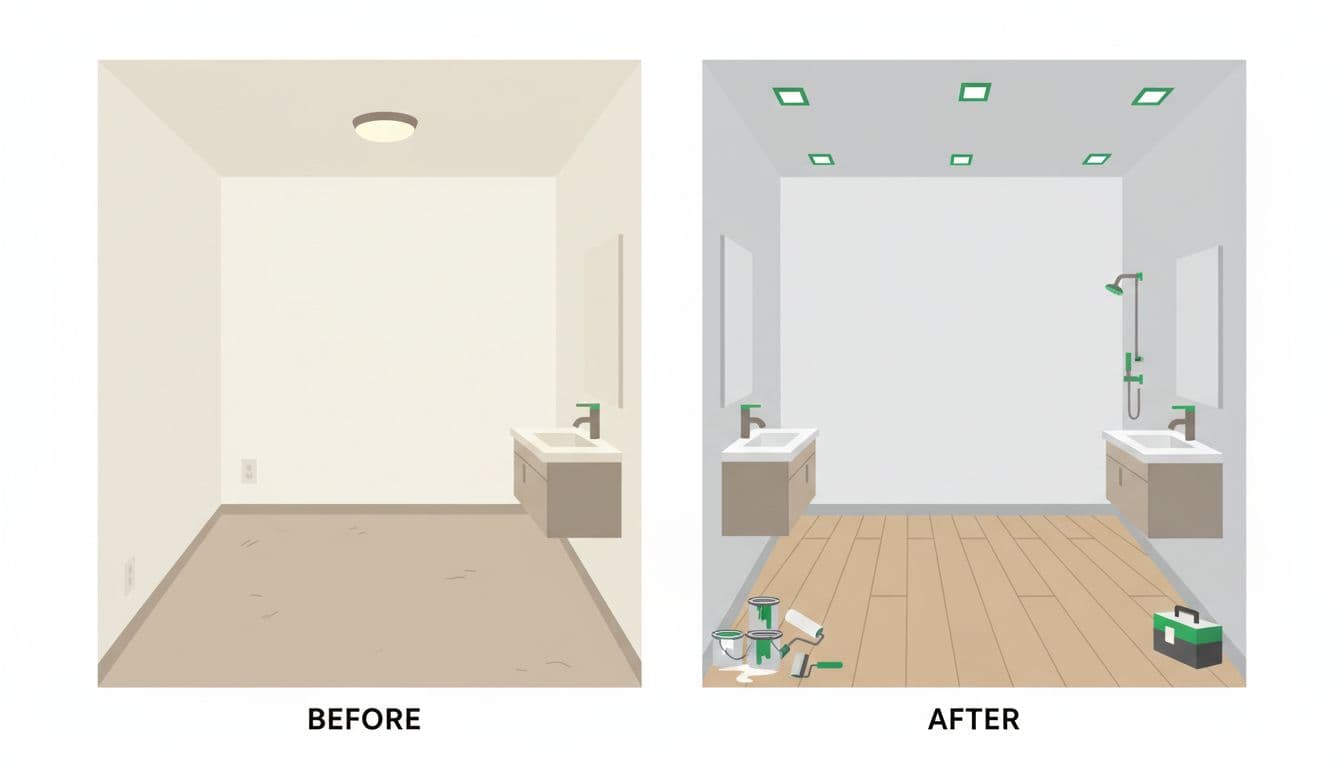
- Product: Paint, lighting, flooring, or fixtures make the unit feel tired.
- Presentation: Photos are dark, the copy is thin, or fees aren’t clear.
- Process: Leads wait too long for replies or can’t tour quickly.
- Reach: The unit appears in too few places to attract enough demand.
Owners with several units should review this by property, not by portfolio. One weak floor plan or one outdated building can drag results down on its own.
If you want extra examples, HonestCasa’s vacancy reduction guide offers practical comparisons and cost trade-offs that line up with what many landlords are seeing in 2026.
Fixes that improve occupancy fast
Once you know the weak point, fix the smallest blockers first. You don’t need a full rehab to beat prolonged vacancies. Most units lease faster when they’re priced right, bright, clean, and easy to tour.
Reset pricing before the market does it for you
Price off current competition, not last year’s peak. If similar units are moving at $75 less, make the change early. A smaller correction in the first 7 to 10 days usually beats a larger cut after 30 days.
For example, a two-bedroom listed at $1,850 may sit for four weeks while sharper comps lease at $1,795. Drop the rent modestly, or offer a short concession like free parking for month one. One empty month often costs more than that adjustment.
Upgrade what renters notice right away
Fresh paint, brighter bulbs, clean caulk, new cabinet pulls, and better curb appeal still work. So do simple fixes like removing odors, replacing stained blinds, and tightening loose hardware. Renters decide fast, often in the first minute.
That matters even more in a softer market. 2026 rental market trends and predictions point to slower rent growth and more competition in many areas, which makes presentation more important.
Improve the listing, speed, and marketing reach
Better copy helps, but only if it answers real renter questions. Lead with the strongest benefits in the first two lines. Mention parking, pet policy, storage, washer-dryer, commute access, and the move-in date. Skip fluff and be clear about fees.
Photos matter just as much. Use bright daytime images, show the full room, and include the exterior, kitchen, baths, and storage areas. If possible, add a short video walkthrough.
Then tighten your leasing process. Reply in minutes, not hours. Offer same-day or next-day tours when possible. In addition, spread the listing across major rental sites, social channels, your own site, and local referral groups. Small landlords can do this with templates. Larger managers should track response time, show-to-application rate, and days-to-lease every week.
Stop treating vacancy like bad luck
Most prolonged vacancies come from a stack of small misses. The rent runs high, the unit looks tired, the photos undersell it, or the lead waits too long for a reply.
Run a quick audit this week and fix one blocker fast. Then measure the result and keep going. Empty time compounds, but smart changes do too.

