table of contents
Ever stared at a doctor’s name followed by MD, DO, NP, and wondered what any of it means? You’re not alone. Those letters after names pop up everywhere, from job ads to business cards. They promise expertise, but they often leave you scratching your head.
Professional credentials signal skills and authority. Some let people practice legally. Others show extra training. This guide clears the fog. You’ll learn the main types, spot real examples, and check credentials fast. Let’s start with the basics.
The Main Types of Professional Credentials
Credentials fall into a few key buckets. Each serves a different purpose. First, consider licenses. Governments issue them. They grant legal permission to work in regulated fields.
Certifications come next. Private groups award these after exams or training. They prove specialized knowledge. Degrees top the list. Colleges grant them after years of study.
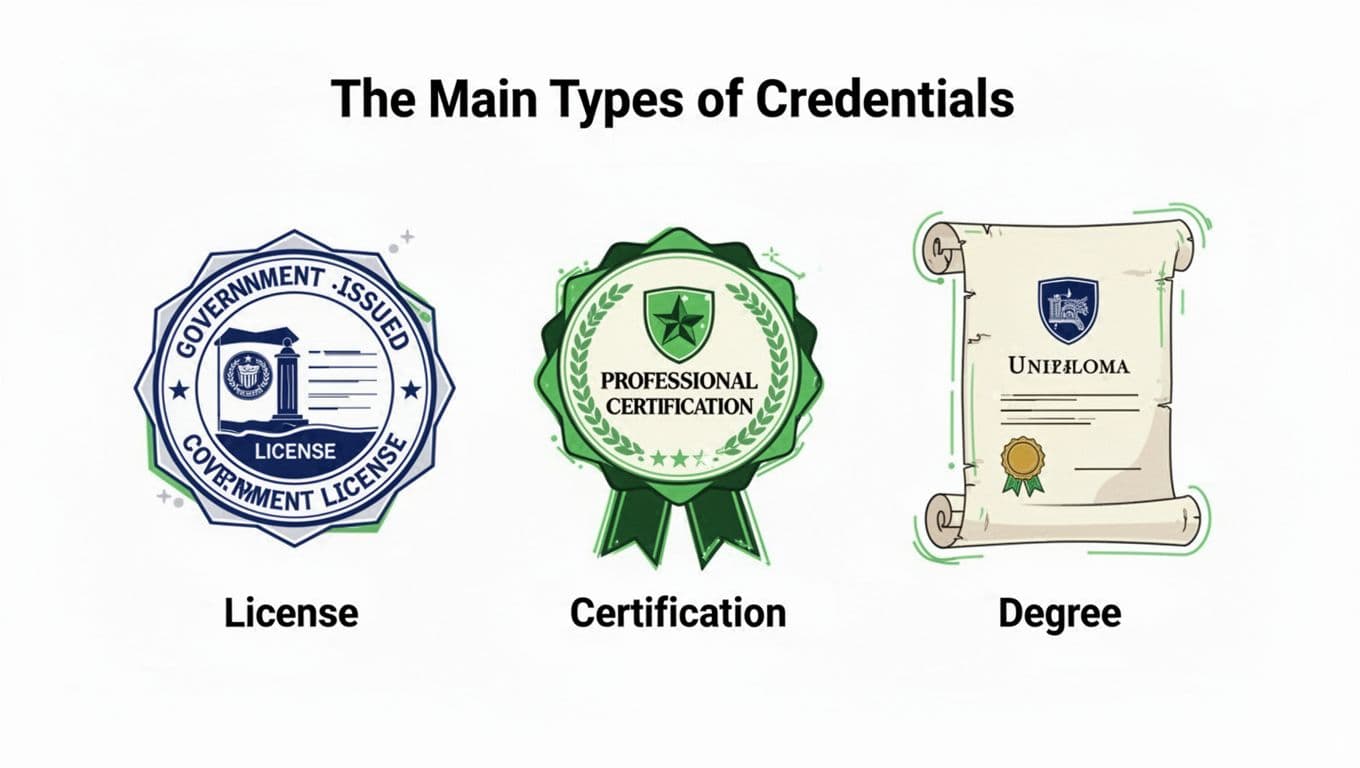
Licenses matter most for safety. Think doctors or electricians. Without one, they can’t work legally. Certifications build on basics. A nurse might get one in wound care. Degrees provide broad foundations. A bachelor’s in nursing leads to entry-level jobs.
In short, licenses protect the public. Certifications boost skills. Degrees open doors. For a clear comparison of credentials vs certification vs license, check this healthcare breakdown. Each type fits specific needs.
Not all credentials carry the same weight. Some renew yearly. Others last a lifetime. Always ask what they require.
Real-World Examples Across Fields
Picture this. You need a doctor. Their name lists MD or DO. Both mean medical doctor. MD comes from traditional schools. DO adds hands-on training. Either way, a state license lets them practice.
In finance, look for CFP. That stands for certified financial planner. It shows training in investments and taxes. Clients trust it because the CFP Board sets strict rules. For healthcare finance pros, the CHFP certification proves money skills in hospitals.
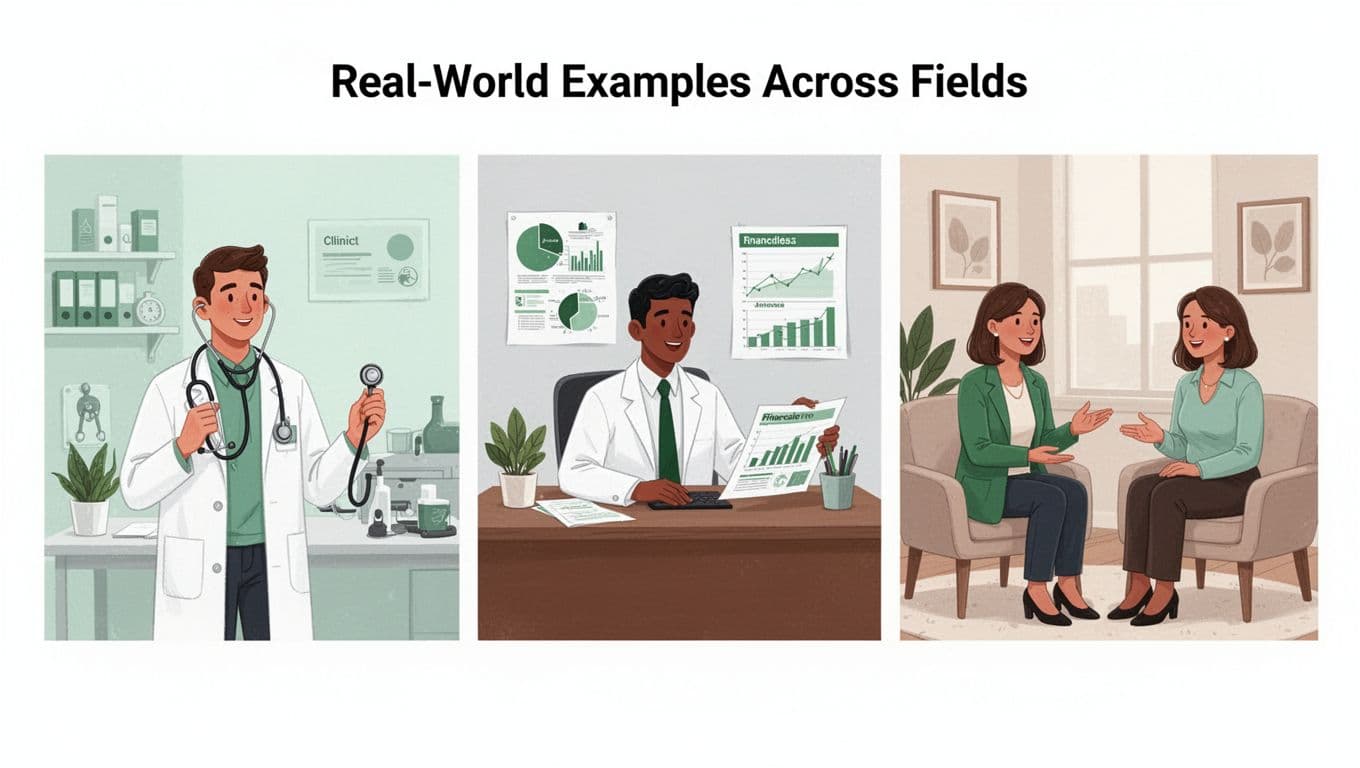
Counselors often hold LPC. Licensed professional counselor means state approval after grad school and hours of practice. Education fields use degrees plus teaching licenses. A principal might add administrative certification.
Hiring managers check these too. Job seekers list them on resumes. In cybersecurity, for example, CISSP certification signals senior security know-how. It helps firms like ours at Bud Consulting spot top talent.
These examples show patterns. Licenses ensure basics. Certifications add edges. Degrees ground everything.
Why Some Credentials Matter More Than Others
Not every credential screams expertise. Legal ones top the list. They block unqualified folks from harm’s way fields. Pilots need FAA licenses. Therapists require state boards.
Optional ones shine differently. They show commitment. A CPA in accounting goes beyond a degree. It demands exams and ethics checks. Yet, it doesn’t always mean legal must-have.
Distinguish them like this. Ask if the job requires it by law. Doctors must license. Graphic designers don’t. For voluntary paths, check issuing body reputation. Groups like the CAMICB decode credentials clearly.
Besides, credentials expire. Renewal proves ongoing learning. Fake ones fool no one long. Verify early. That builds confidence.
How to Verify Credentials Quickly
Doubt creeps in fast. Good. Verify before committing. Start with state boards. Most post online directories. Search the pro’s name plus state.
Private certifiers offer lookup tools. Enter license numbers. Results show status and history. For psychologists or doctors, national databases help too.
Follow this professional license verification guide. It covers doctors, lawyers, and more. Red flags include expired status or complaints.
Tools make it simple. Sites like those from DOE define terms plainly (professional credentials definition). Cross-check resumes against sources. Peace of mind follows.
Your Quick Checklist for Credentials
Ready to evaluate? Use this five-step list. It cuts through confusion.
- Legal requirement? Confirm if state law demands it. No license, no practice in regulated jobs.
- Issuing body? Trust governments or known groups. Skip unknowns.
- Current status? Check expiration. Renewals matter.
- Specialized fit? Match it to your need, like wound care cert for nurses.
- Verification easy? Official sites confirm fast.
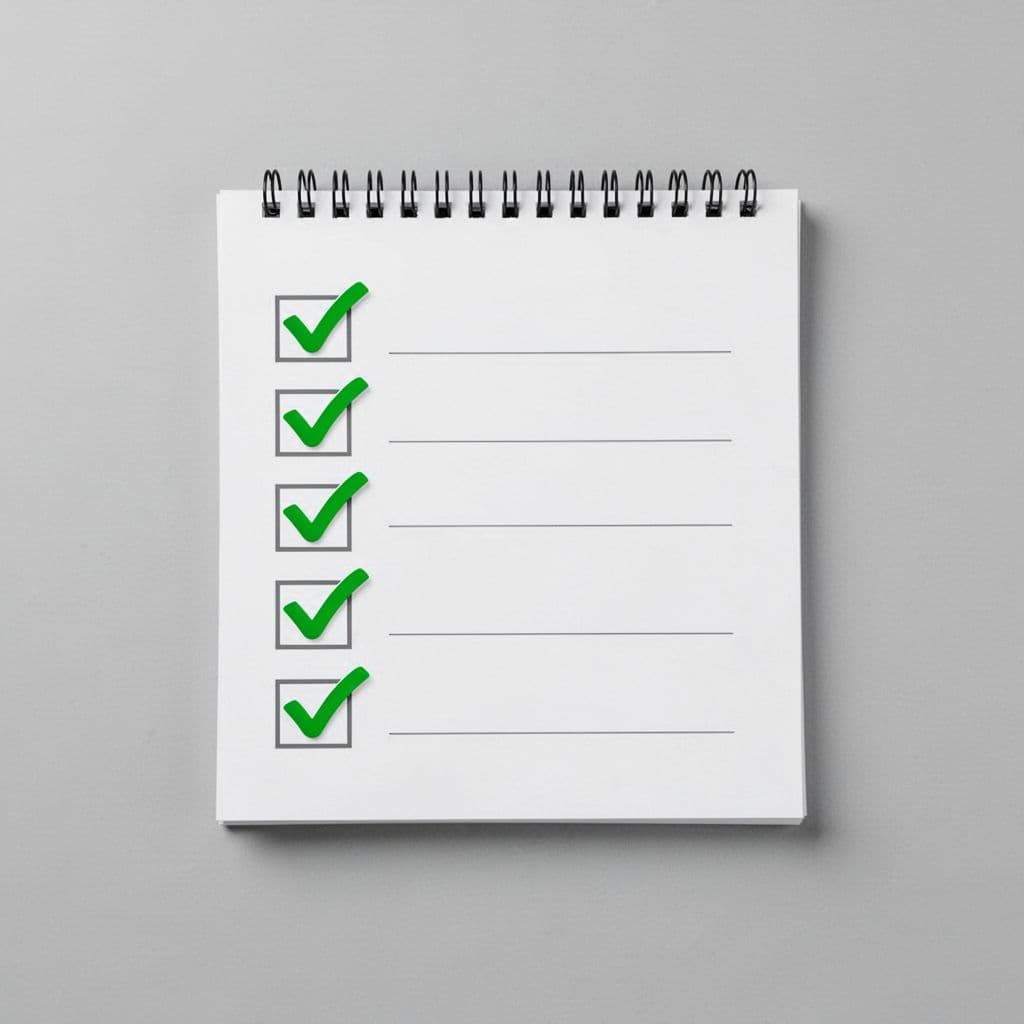
Run pros through these steps. You’ll spot gems from fluff.
Those letters no longer intimidate. You’ve got tools to judge professional credentials wisely. Next time, ask direct questions. Trust follows clarity. Which field confuses you most? Share below.