table of contents
You face tough choices every hiring cycle. Do you pour budget into quick agency hires to fill seats now? Or build a talent pipeline that pays off later? Recruitment resource allocation sits at the heart of these decisions. In 2026, with tighter budgets and AI tools reshaping teams, getting this balance right means the difference between reactive scrambles and steady growth.
Shrinking recruitment teams push leaders to prioritize. Companies cut headcount yet demand better hires. This article breaks down the debates, tradeoffs, and practical paths forward.
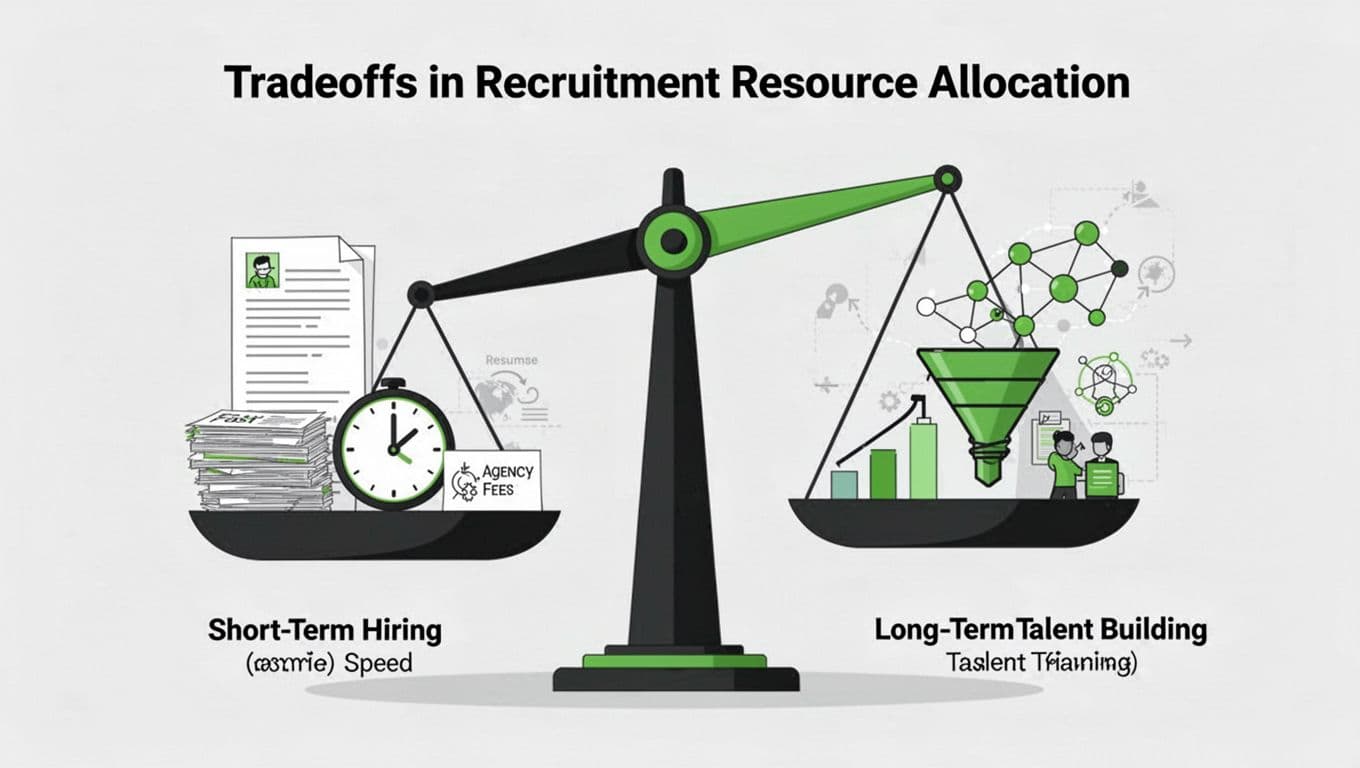
Tradeoffs in Recruitment Resource Allocation
Short-term hiring demands speed. You need bodies in roles fast, especially during growth spurts or turnover spikes. Agencies and job boards deliver resumes quickly. However, costs add up. Fees eat 20-30% of first-year salary per hire.
Long-term strategies focus on sustainability. Invest in employer branding and candidate relationships. Build networks through events and content. These efforts fill pipelines over time. Yet they require upfront spend with delayed returns.
Consider the balance. A startup racing to launch might allocate 60% of budget to external agencies for immediate needs. In contrast, a mature firm shifts 40% to internal tools and referrals. The scale tips based on goals.
Data from 2026 shows the shift. Firms using AI for sourcing cut routine tasks. This frees resources for quality checks. Still, over-relying on speed leads to poor fits. Bad hires cost 1.5-2 times salary in lost productivity.
Tradeoffs hurt if ignored. Rush hires boost output short-term but drain retention efforts later. Pipeline building slows initial fills yet cuts future costs by 25%. Weigh urgency against ROI. Ask yourself: Does this role need filling today, or can internal moves cover it?
How Company Size Shapes Allocation Choices
Startups operate lean. They lack brand pull, so resources go to paid channels. Job boards claim 40% of budget; agencies another 30%. Speed trumps all when funding rounds loom. One tech startup we know spent 70% on externals last quarter. They filled 15 roles in weeks.
Enterprises play different. Scale allows internal armies. They allocate 35% to ATS upgrades and branding. Pipelines from universities and alumni networks handle volume. For example, large firms dedicate 20% to employee referrals, yielding 4x better retention.
Here’s a quick comparison:
| Company Type | Key Spend Areas | Typical Budget Split |
|---|---|---|
| Startup | Agencies, job boards | 60% external, 20% tools, 20% team |
| Enterprise | Branding, ATS, pipelines | 30% external, 40% internal dev, 30% team |
Smaller teams see higher ROI from focused spends. Larger ones spread risks across channels. As a result, enterprises hire 12% more quality talent via skills-based sourcing.
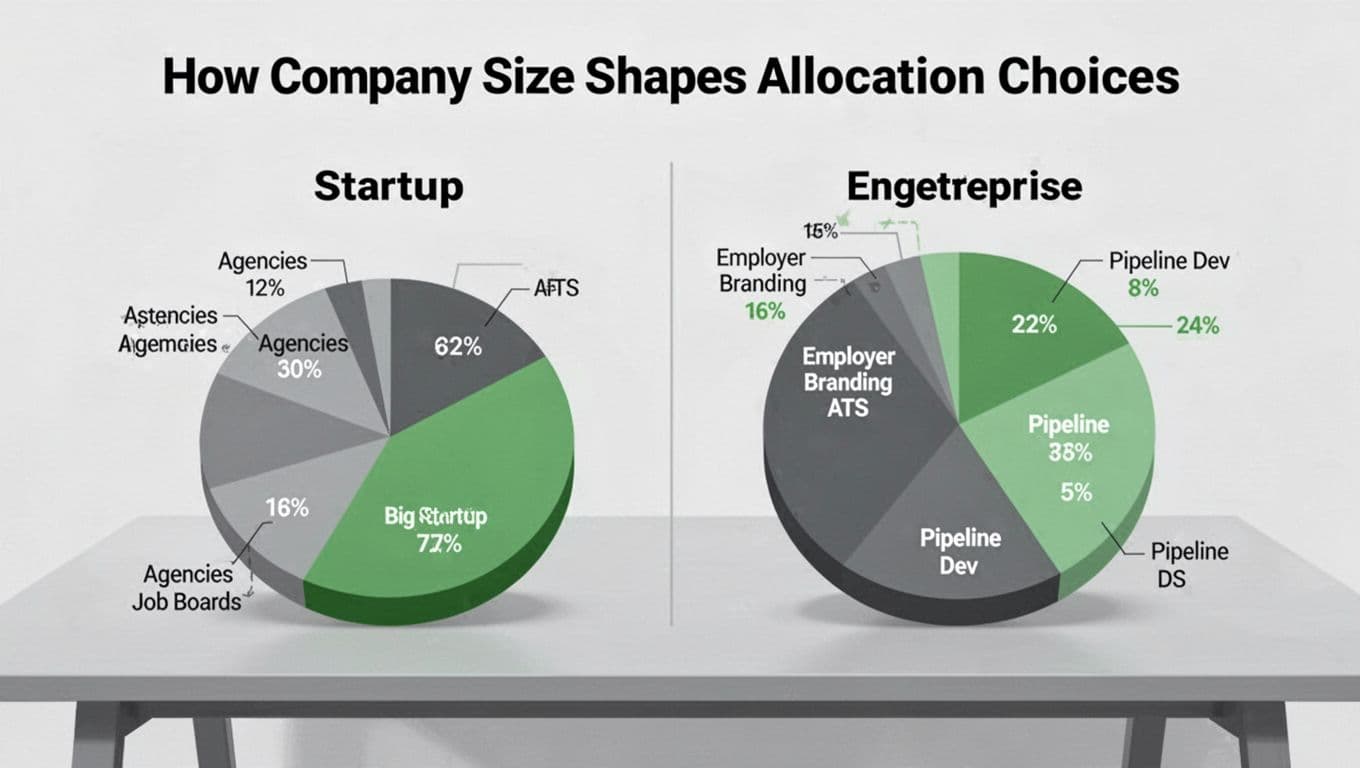
Size dictates flexibility. Startups pivot fast to market shifts. Big companies build buffers. Both benefit from strategic staffing plans that align hires to goals.
Data-Driven Approaches to Recruitment Resource Allocation
Numbers guide smart choices. Track source ROI, not just time-to-hire. In 2026, 84% of leaders use AI for this. Tools score candidates on skills, not titles. Firms doing so make 9-12% better hires.
Start with metrics. Measure quality of hire via performance reviews at six months. Calculate cost-per-hire across channels. Referrals often win at $3,000 each; agencies hit $10,000.
Build dashboards. Compare pipelines. One firm shifted 15% from job boards to internal databases after data showed 2x retention. Clean data matters most. Outdated records waste time.
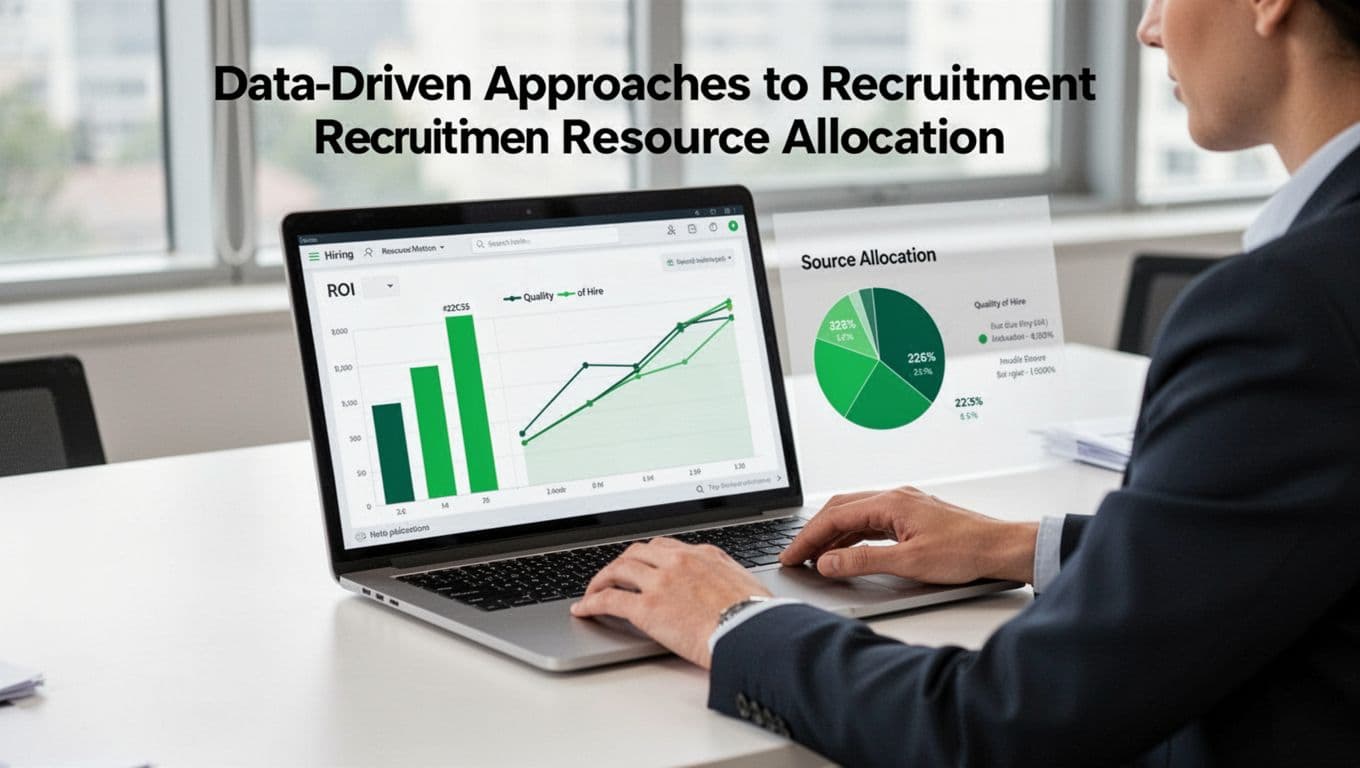
AI automates screening. Recruiters focus on interviews. This setup shrinks teams yet boosts output. For deeper tactics, check 21 recruiting strategies for 2026. Decisions stick when backed by proof.
Industry and Urgency Factors in Allocation
Industries vary wildly. Tech and cybersecurity chase niche skills like IAM experts. They allocate 50% to specialized agencies. Healthcare prioritizes volume, spreading across boards and events.
Urgency flips scripts. Layoff recoveries demand speed; 60% to externals. Steady states favor pipelines at 50%. High-volume firms like retail lean on automation for scale.
In 2026, six in ten companies cut staff. Skills gaps widen. Promote internals first; it costs less. Tailor to your context. Manage budgets effectively by forecasting needs quarterly.
Prioritize based on volume. Low-hire teams invest in relationships. High-volume ops buy tools.
Quality endures. Short-term fixes plug holes. Long-term builds foundations. Test allocations quarterly with data. Your next hire sets the pace.
What allocation mix fits your team right now? Adjust now for 2026 gains.
(Word count: 982)