table of contents
You’ve nailed the pitch. Prospects nod along and show real interest. Yet they ghost you after the proposal lands.
That frustration hits hard, especially when bills stack up and quotas loom. Closing offers feels like the toughest part of sales. But it stems from fixable issues in how you present value and handle next steps.
Let’s break down why deals stall. Then you’ll get steps to turn interest into signatures.
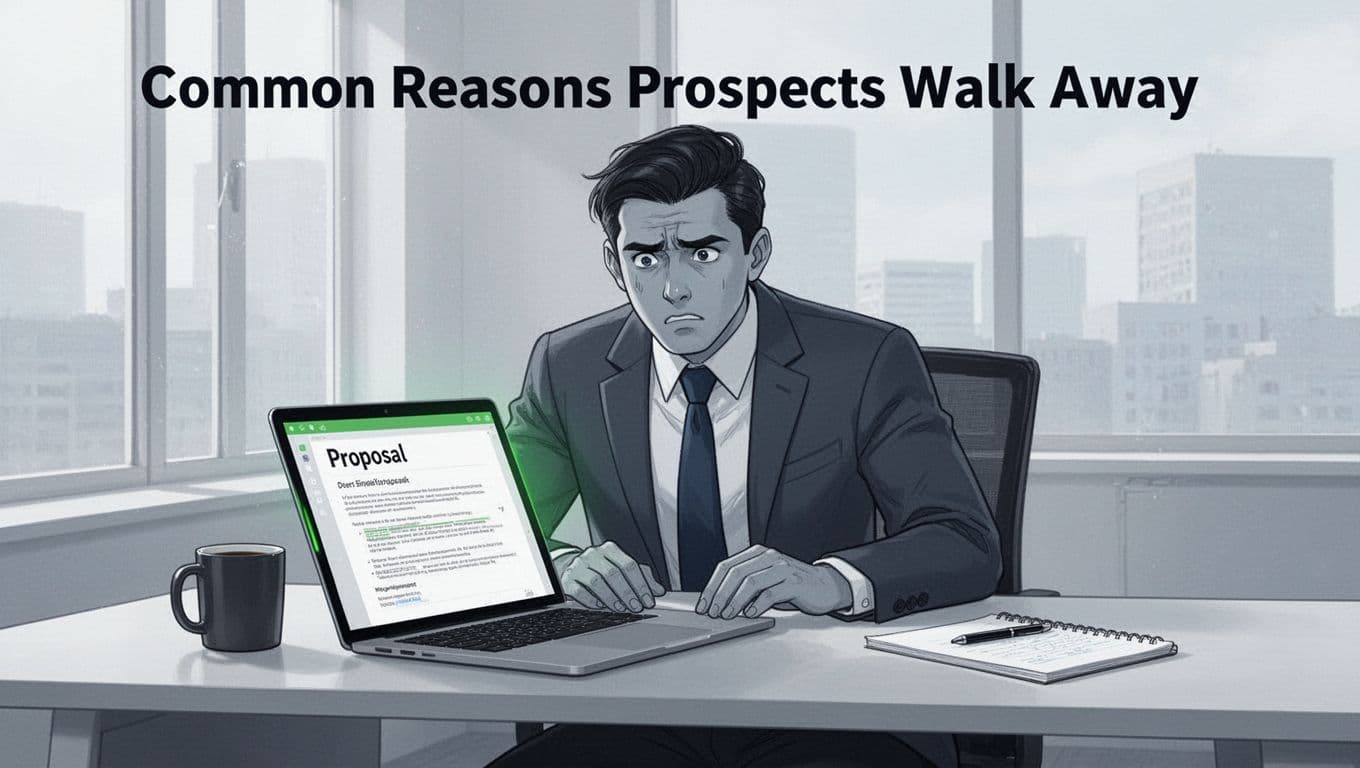
Common Reasons Prospects Walk Away
Prospects bail because your offer doesn’t match their urgent needs. They hear you out. However, they sense gaps between their pain and your solution.
First, value misalignment kills momentum. You pitch features. They crave results. For example, a freelancer offers “SEO audits” to a small business owner drowning in low traffic. The owner thinks, “Sounds nice, but will it boost sales next month?” Without tying it to revenue, they pass.
Price objections follow close behind. Prospects compare your quote to free alternatives. Even if yours delivers more, sticker shock wins without context. One agency owner shared how clients picked cheap tools over his custom service. He forgot to show lifetime savings.
Timing matters too. Buyers delay when no deadline pushes them. “We’ll circle back” means “not now.” Objections linger unaddressed. They voice concerns vaguely. You nod and move on. As a result, doubt festers.
Follow-up slips seal the deal’s fate. Silence after sending the proposal feels safe. But prospects need reminders of why they cared. Data shows 80% of sales require five touches. Most quit after one.
In short, these issues stack up. Prospects walk because offers feel optional, not essential.
Spotting Weak Offer Presentations
Weak presentations overwhelm or underwhelm. You dump details without focus. Prospects tune out fast.
Consider this weak example. A consultant emails a 10-page PDF packed with jargon. It lists services like “human risk advisory” and “threat exposure management.” No clear pricing. No tailored benefits. The client skims, shrugs, and shelves it.
Strong ones simplify and personalize. Start with their problem. Then map your offer as the fix. For instance, that same consultant sends a one-pager. Headline: “Cut social-engineering risks by 40% in 90 days.” Bullet outcomes first. Price sits bold below. A call note follows: “Let’s hop on a 15-minute call to tweak for your team.”
Clarity builds trust. Weak versions hedge with vague timelines (“as needed”). Strong ones commit: “Deliver weekly reports for three months.” Prospects buy certainty.
Objection handling differs too. Weak pitches ignore pushback. You say, “Any questions?” They mumble no. Strong ones preempt: “Some teams worry about implementation time. Here’s our three-step rollout that fits busy schedules.”

Besides visuals, tone shifts the dynamic. Weak sounds salesy and pushy. Strong stays consultative. You ask, “Does this align with your goals?” They engage more.
Building Urgency Without Pressure
Urgency tips the scale toward yes. Yet it backfires if forced. Subtle nudges work best.
Limited spots create scarcity. Tell them, “We take two clients per quarter to ensure focus.” It feels exclusive, not desperate.
Time-bound bonuses add pull. Offer, “Sign by Friday for a free audit.” Prospects act to avoid loss.
Contrast helps here. Without urgency, offers sit. With it, decisions speed up. One sales pro boosted closes 25% by adding “Valid for 48 hours” to proposals.
Handle stalls head-on. If they say “budget next quarter,” counter with, “What holds you back now?” Dig for real barriers. Then bridge them.
Your Checklist for Closing Offers
Checklists streamline your process. Use this to audit every deal.
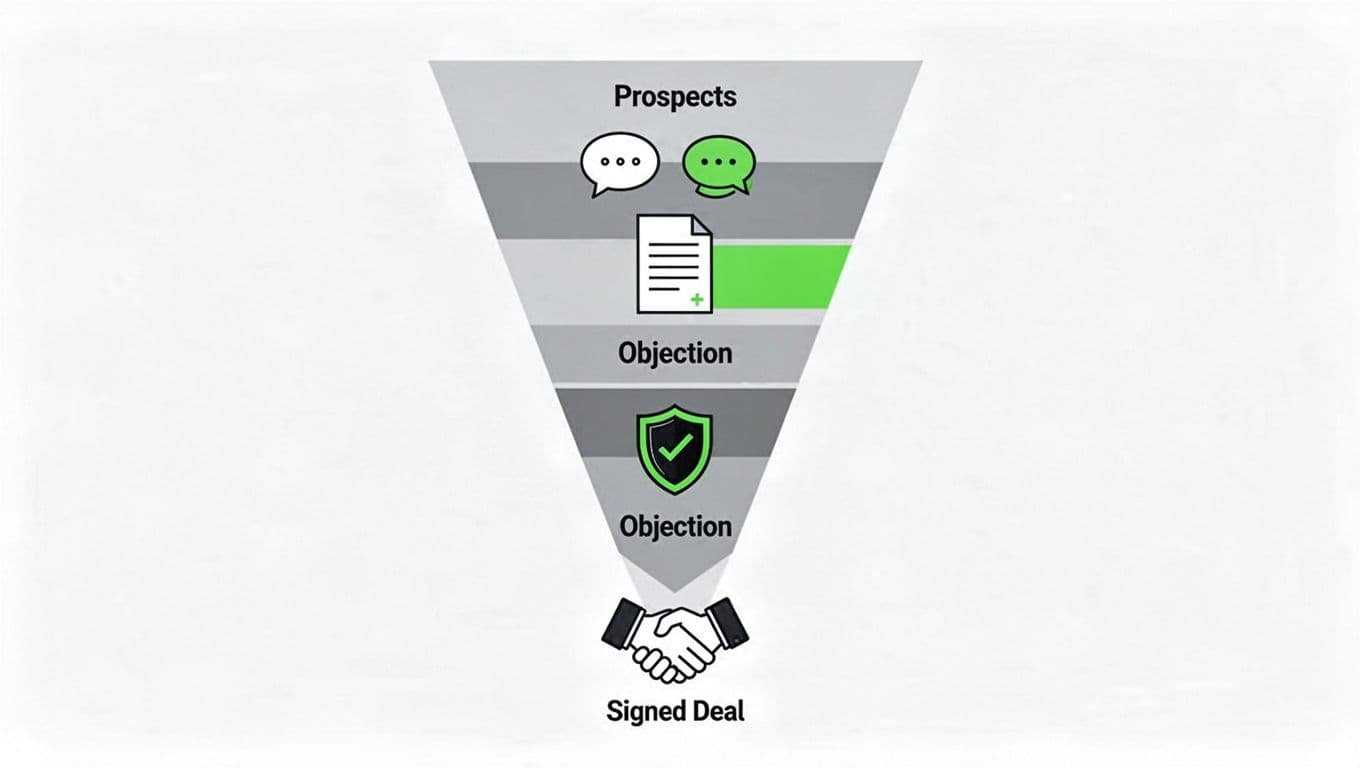
- Qualify early: Confirm budget, timeline, and authority before deep pitches. Ask, “What outcome justifies the investment?”
- Tailor the offer: Mirror their words. If they fear skills gaps, highlight your talent sourcing.
- Present outcomes first: Lead with results. “Fill your cloud security role in 30 days” beats feature lists.
- Preempt objections: List common ones with answers. “On cost: ROI hits in six months.”
- Create next steps: End with, “Reply yes to schedule onboarding.” No vague closes.
- Follow up twice weekly: Reference prior talks. “Per our chat on IAM needs, here’s updated pricing.”
Test one change per week. Track close rates. You’ll see lifts fast.
Put These Fixes to Work Today
Deals stall from mismatched value and weak closes. Fix them with clear, urgent presentations and steady follow-up. Your close rate climbs as prospects feel the fit.
Pick your biggest pain point. Apply the checklist tomorrow. What one tweak will you test first? Share in comments; let’s swap wins.