table of contents
Security teams face a flood of alerts every day. You patch one vulnerability, and three more appear. Traditional tools help, but they often miss the real threats that attackers exploit.
In 2026, attack surfaces have exploded with cloud assets, SaaS apps, and third-party risks. CTEM vulnerability management approaches offer a smarter path. This article breaks down the differences and shows how to blend them for better results.
How Traditional Vulnerability Management Works
Vulnerability management starts with scanners. These tools hunt for known flaws, or CVEs, across servers, apps, and networks. They assign severity scores based on potential impact.
Teams then prioritize patches. High scores get attention first. Patching follows, often in batches during maintenance windows. This cycle repeats monthly or quarterly.
However, it stays narrow. Scanners focus on CVEs. They ignore if a flaw sits behind a firewall or needs specific conditions to exploit. As a result, teams chase ghosts while real risks linger.
For example, a critical CVE on an internal test server ranks high. Yet attackers cannot reach it. Resources waste on low-threat items. Meanwhile, a medium flaw on a public-facing API goes unchecked.
This CVE-centric view fits smaller setups. But enterprises drown in data. Reports from AttackIQ’s guide show teams fix less than 20% of findings effectively.
What Continuous Threat Exposure Management Means
CTEM stands for Continuous Threat Exposure Management. It expands beyond CVEs to cover assets, identities, configurations, and attack paths. The goal? Validate exposures that attackers can actually use.
Gartner outlined CTEM’s five stages back in 2022. They still guide teams today. First, scope critical business assets like revenue systems or customer data. Next, discover issues continuously, not just on schedule.
Prioritization comes third. Rank by exploitability and business impact, not just severity. Validation tests real-world reachability. Finally, mobilize fixes with automation and team workflows.
CTEM runs in a loop. Changes in cloud setups or configs trigger fresh checks. This keeps defenses current as environments shift.
In short, CTEM thinks like attackers. It maps paths from edge to crown jewels. Tools blend scanning with simulation to confirm risks.
Core Differences Between CTEM and Vulnerability Management
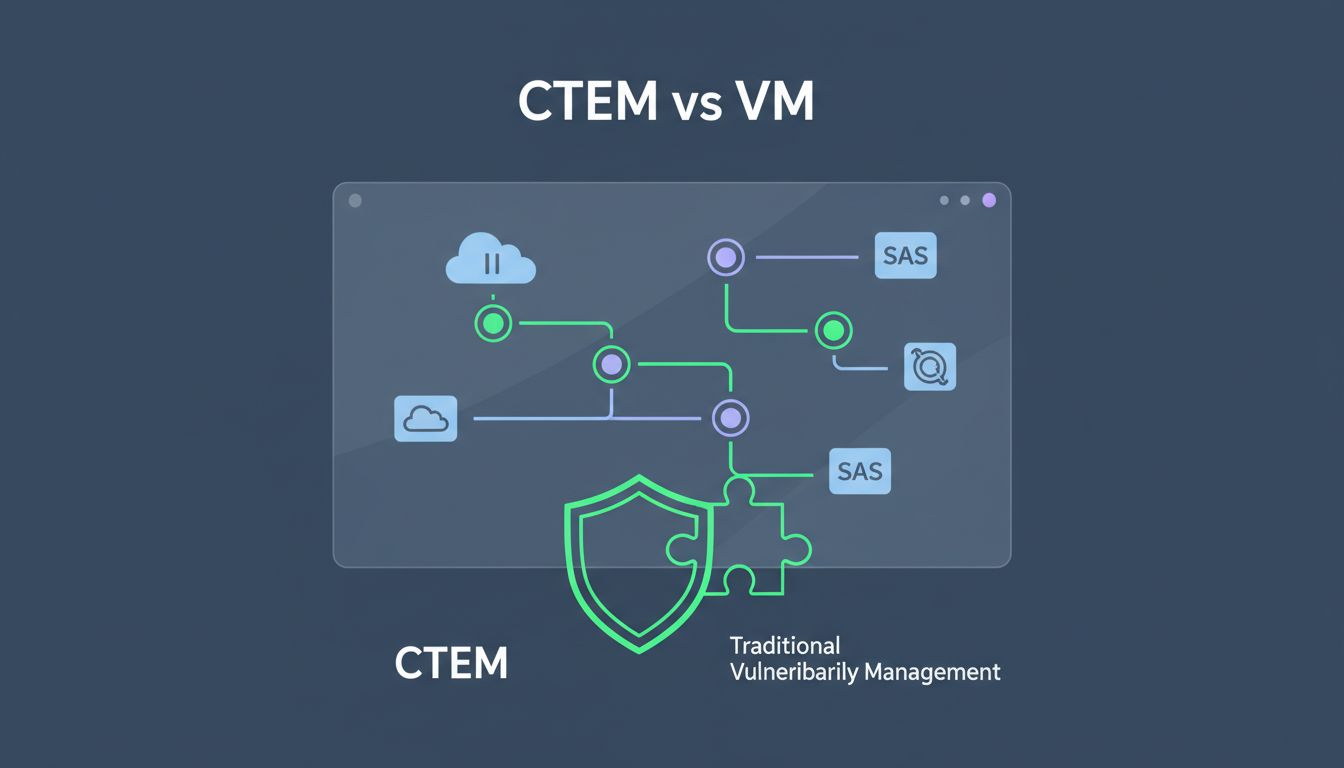
Vulnerability management reacts to scans. CTEM proactively hunts exposures. The table below highlights key contrasts.
| Aspect | Vulnerability Management | CTEM |
|---|---|---|
| Focus | CVE detection and patching | Real-world exposures across full attack surface |
| Scope | Assets and known flaws | Assets, identities, configs, paths |
| Prioritization | Static severity scores | Business impact and exploit likelihood |
| Frequency | Periodic scans | Continuous cycles |
| Validation | Assumed from scans | Active testing and simulation |
This shift matters. Traditional methods create long patch queues. CTEM cuts noise by focusing on the 5% of issues driving 95% of risk.
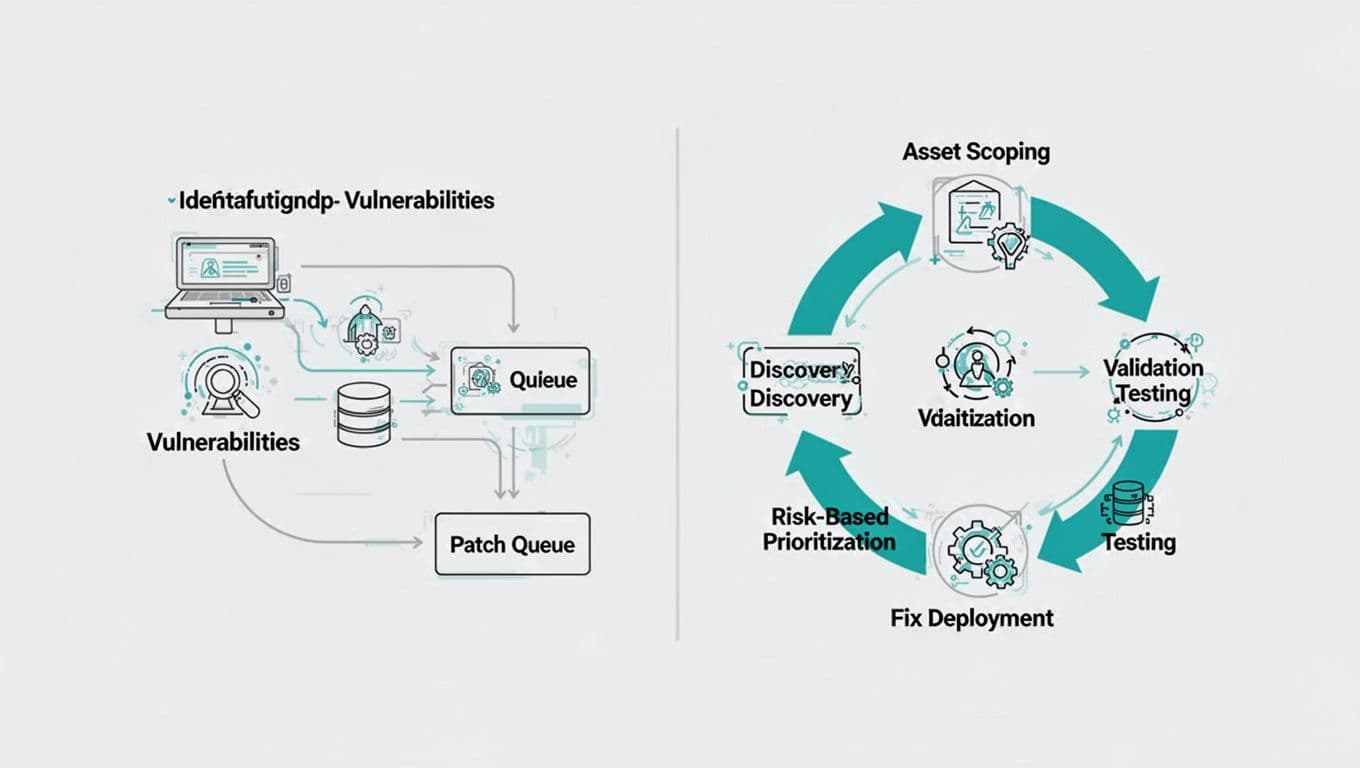
Consider a web app. Vulnerability management flags a high-CVE library. CTEM checks if attackers reach it through misconfigs or weak auth. Often, it does not. Teams fix what counts.
Brinqa’s analysis notes CTEM reduces false positives by 84%. That frees time for high-impact work.
Why CTEM Suits 2026 Security Challenges
Attack surfaces grew 84% for most firms since 2024. Temporary cloud instances, SaaS sprawl, and supply chain flaws add complexity. Monthly scans miss this drift.
Only 16% of organizations run full CTEM programs. Yet adopters gain 50% better visibility. They choose tools 23 points more effectively.
Traditional vulnerability management struggles here. Static scores ignore live threats. CTEM pulls in intel on active exploits. It scores risks dynamically.
For instance, identity exposures top lists now. Weak MFA or over-privileged accounts enable lateral movement. CTEM validates these paths, unlike CVE scans.
In addition, validation tests defenses. Simulations confirm if patches hold or if bypasses exist. This builds confidence for CISOs reporting to boards.
Current trends show CTEM integration with XDR platforms. It turns exposure data into automated responses.
Integrating CTEM and Vulnerability Management
Do not ditch vulnerability management. Use it as CTEM’s foundation. Scanners feed discovery stages. CTEM then prioritizes and validates.
Start small. Scope your top 10 assets. Run continuous discovery on them. Layer validation weekly.
Build dashboards uniting data. Track metrics like mean time to validate or exposure reduction.
Automation bridges gaps. Tools push high-risk items to ticketing. Teams collaborate via shared views.
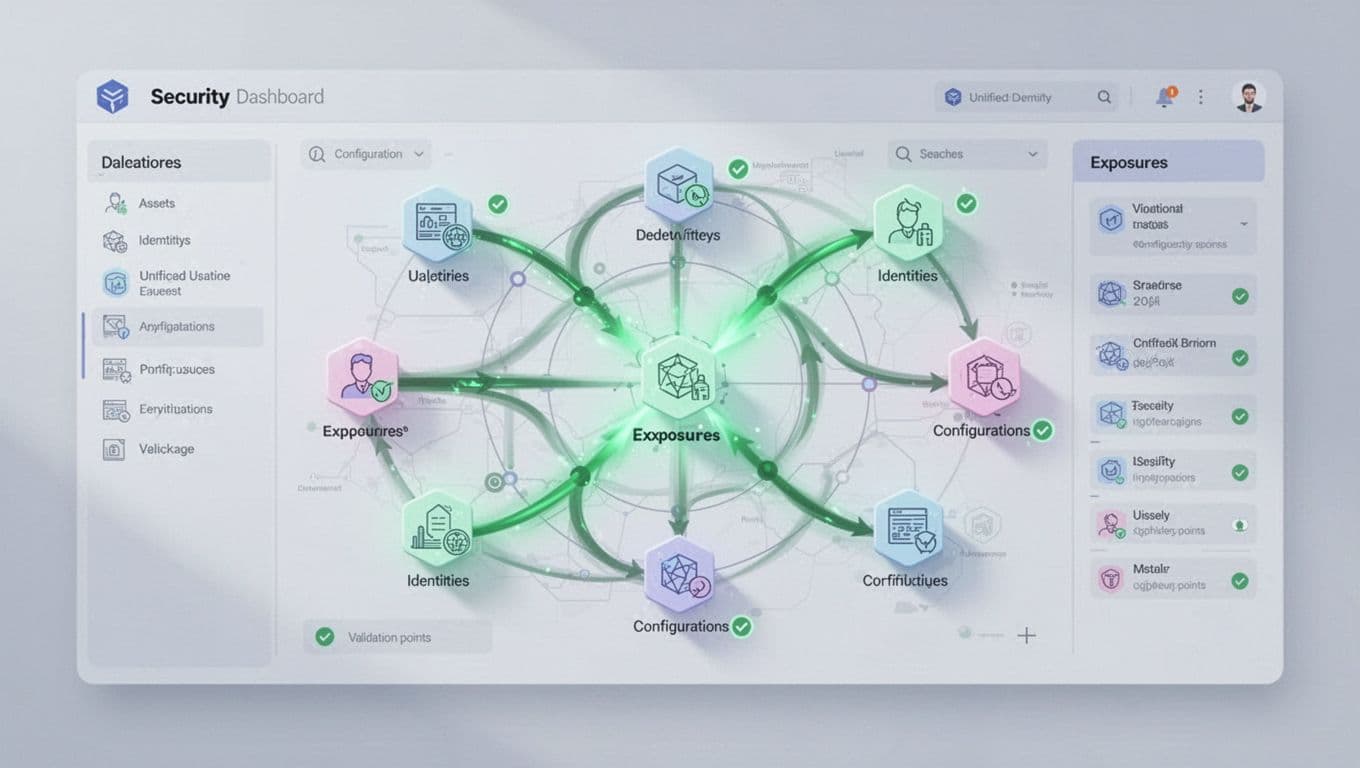
Element Security’s post stresses business-impact scoping. Align with frameworks like NIST or MITRE ATT&CK.
Security leaders see 23% faster remediation. Programs scale as teams mature.
Actionable Steps for Your Security Program
Blend both for maximum effect. Feed VM scans into CTEM cycles. Prioritize by validated risk. Measure success through exposure cuts, not ticket counts.
Assess your setup now. Only 16% lead in CTEM. Join them to stay ahead.
Book a Discovery Call with Bud Consulting to map your path. What exposure keeps you up at night?