table of contents
You’re staring at a project brief. Budget limits loom. Deadlines press. Your team lacks bandwidth. Picking the wrong engagement model risks overruns or weak results.
Many leaders face this choice with partners like cybersecurity firms or dev agencies. The good news? You can match the model to your needs. Let’s break down options and factors so you decide with confidence.
Common Engagement Models
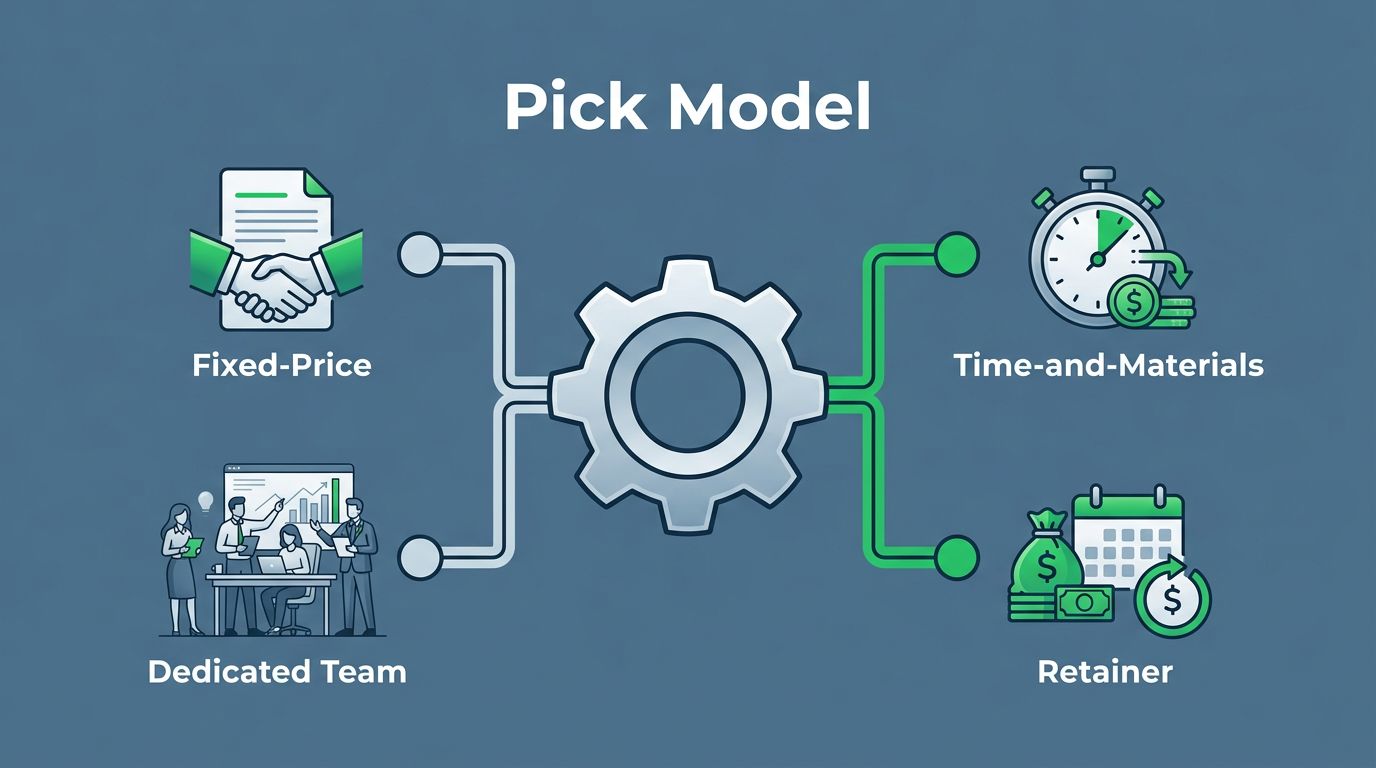
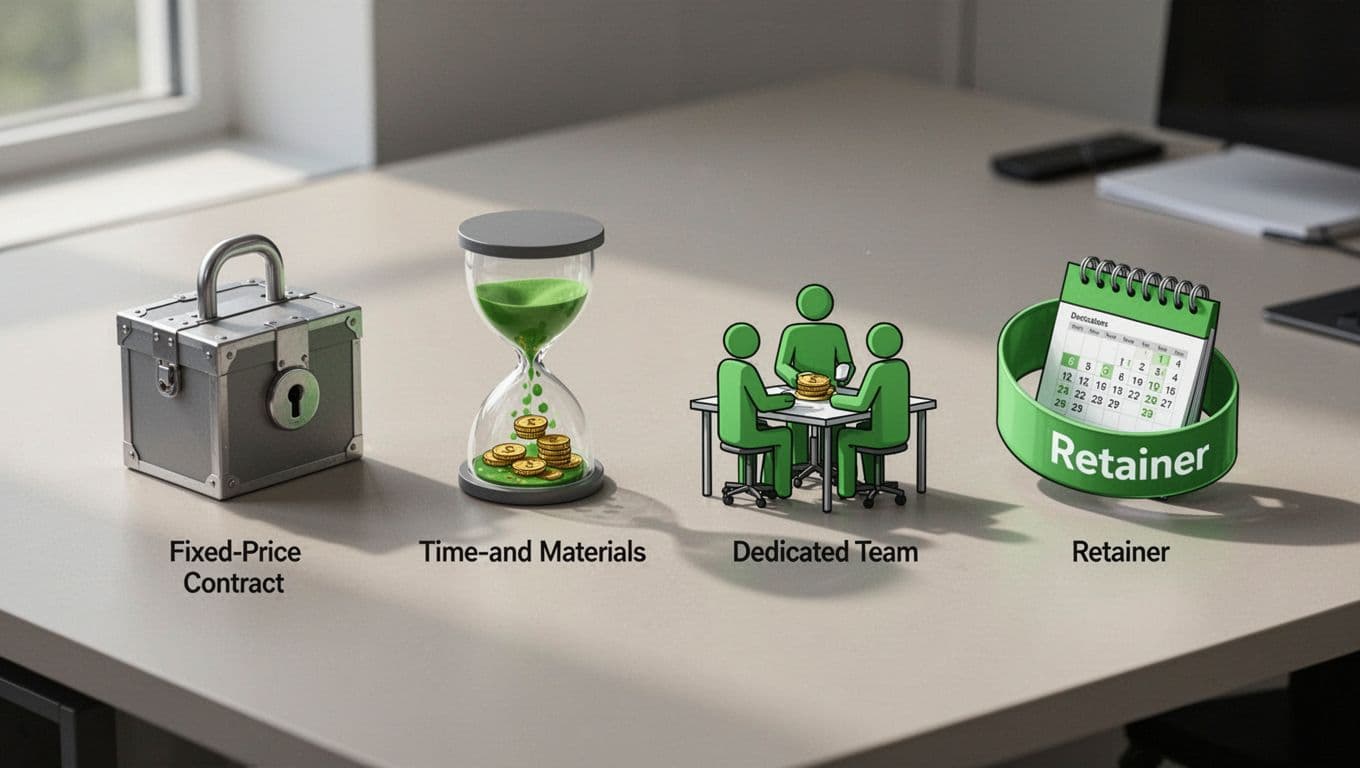
Service partners offer four main engagement models. Each suits different project types. Fixed-price works for clear scopes. Time-and-materials fits changes. Dedicated teams build capacity. Retainers support ongoing needs.
Fixed-price sets a firm cost upfront. You define requirements. The partner delivers or it’s on them. This model shines in simple cybersecurity audits where specs stay steady.
Time-and-materials bills hours worked. You pay for actual time and costs. It allows tweaks as threats evolve. However, costs can climb without tight oversight.
Dedicated teams act like your extension. The partner assigns full-time experts. You direct daily work. This setup speeds complex projects like threat exposure management.
Retainers provide steady access. You buy a block of hours monthly. Use them as needed for advisory or recruitment support. It ensures priority without per-project bids.
These models vary by control and cost predictability. Here’s a quick comparison:
| Model | Budget Predictability | Flexibility | Best For | Risk Level |
|---|---|---|---|---|
| Fixed-Price | High | Low | Defined scopes | Low (for partner) |
| Time-and-Materials | Low | High | Evolving needs | High (for client) |
| Dedicated Team | Medium | High | Long projects | Medium |
| Retainer | Medium | Medium | Ongoing support | Low |
This table highlights tradeoffs at a glance. Fixed-price locks costs but resists changes. Dedicated teams scale with your pace.
Key Factors That Shape Your Choice
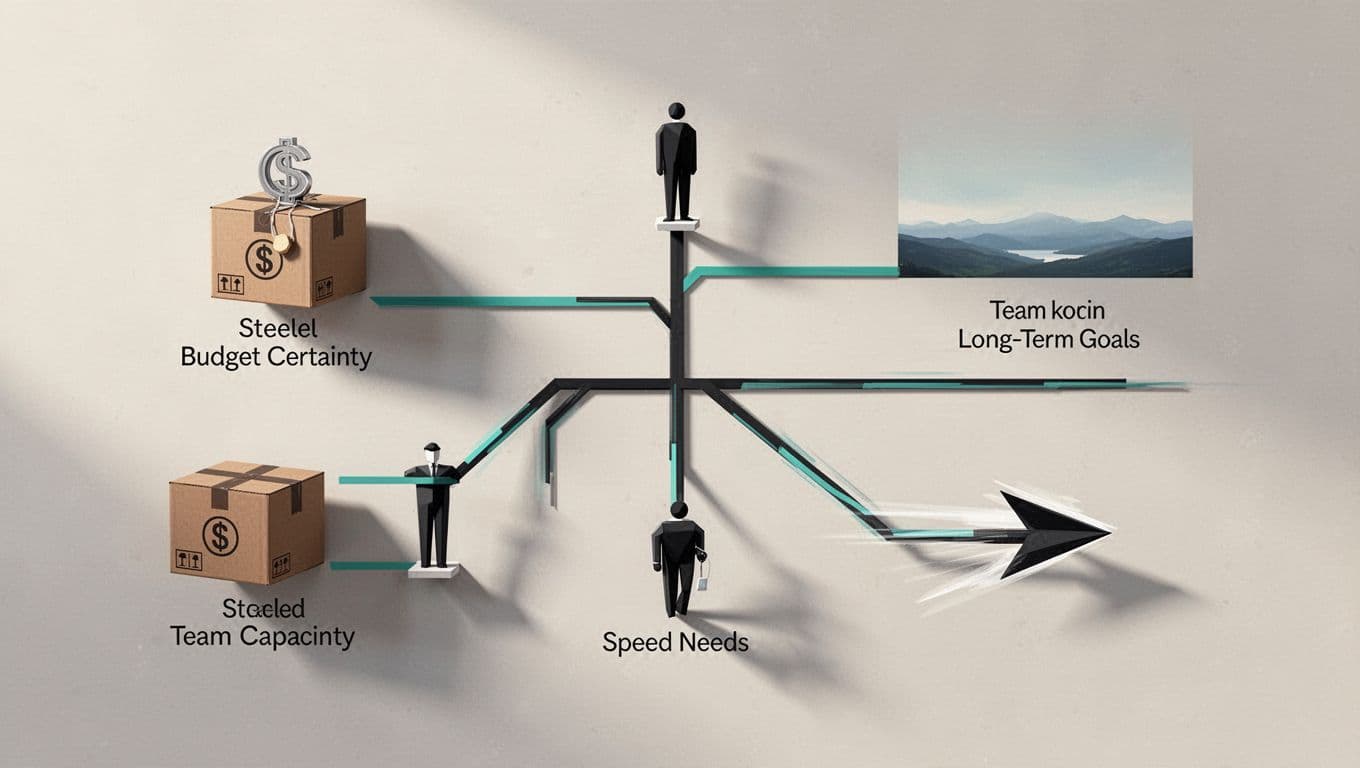
Your project’s details drive the decision. Start with budget certainty. Need exact costs? Go fixed-price. Uncertain funds suit time-and-materials.
Project scope matters next. Well-defined tasks favor fixed-price. Ambiguous ones, like building a custom IAM system, need flexibility from dedicated teams.
Speed counts too. Fixed-price often drags if revisions hit. Dedicated teams ramp up fast because experts focus solely on you.
Flexibility helps when requirements shift. Social-engineering risks change quarterly. Retainers or time-and-materials adapt without renegotiation.
Risk tolerance plays in. Fixed-price shifts risk to the partner. You avoid overruns. High-risk projects with your team benefit from dedicated support.
Internal capacity limits options. Short-staffed? Dedicated teams fill gaps. Strong teams prefer retainers for advice only.
Long-term goals seal it. One-off audits? Fixed-price. Ongoing security validation? Retainers build partnership.

Consider a cloud security rollout. Tight budget and fixed timeline point to fixed-price. But if threats demand pivots, switch to dedicated.
Tradeoffs in Real-World Scenarios
Each model has upsides and downsides. Fixed-price offers peace of mind on costs. Yet scope creep kills margins. Partners cut corners sometimes.
Time-and-materials gives freedom. You steer changes. Bills surprise if tracking slips. Set weekly reviews to control spend.
Dedicated teams embed skills. They learn your systems fast. Costs add up over months. Match team size to needs.
Retainers guarantee availability. Experts wait ready. Unused hours waste money. Forecast usage carefully.
Take cybersecurity recruitment. Fixed-price fills one CISO role quick. Dedicated handles ongoing hires plus training.
Software projects mirror this. AppSec builds suit dedicated for iterations. Simple audits stay fixed-price.
Budget teams love fixed-price certainty. Ops favors dedicated speed. Balance both for best fit.
Match Models to Your Business Needs
Procurement pros weigh vendor history too. Past fixed-price wins build trust. New partners start with time-and-materials.
Test small. Pilot a retainer for human risk advisory. Scale if it clicks.
In cybersecurity, speed trumps all sometimes. Dedicated teams map attack surfaces weekly. Fixed-price suits annual reviews.
Flexibility aids startups. Founders pivot often. Time-and-materials matches that rhythm.
Large firms prioritize risk. Fixed-price protects P&L. Retainers nurture vendor ties.
Your mix decides. Low capacity plus long goals? Dedicated. High risk tolerance? Time-and-materials.
Your Engagement Model Decision Checklist
Use this checklist to pick fast. Answer yes/no for each.
- Do you have a fixed budget? Yes: Fixed-price or retainer. No: Time-and-materials or dedicated.
- Is scope crystal clear? Yes: Fixed-price. No: Dedicated or time-and-materials.
- Need quick starts? Yes: Dedicated team. No: Fixed-price.
- Plan changes likely? Yes: Time-and-materials. No: Fixed-price.
- Internal team overloaded? Yes: Dedicated. No: Retainer.
- Long-term partnership? Yes: Retainer or dedicated. No: Fixed-price.
- Low risk appetite? Yes: Fixed-price. No: Others.
Score your answers. Top matches guide you.
Right choice boosts outcomes. Partners like Bud Consulting tailor these for security gaps.
Book a Discovery Call with Bud Consulting to discuss your project fit.
Pick your engagement model wisely. Your project thrives as a result. What’s your top factor?