table of contents
You plan to expand your cybersecurity firm into new regions. Generic strategies fail there. Localized market knowledge separates winners from those who struggle.
Europe reports 11,000 cyberattacks last year. Asia-Pacific faces 3.4 million talent gaps. North America pours billions into defenses. Each spot demands tailored approaches.
This post breaks down trends, shortages, and steps. You’ll spot opportunities others miss.
Regional Cybersecurity Trends Shape Expansion Plans
Europe’s cybersecurity spend hits €67 billion this year. It grows to €172 billion by 2033 at 8-12% yearly. Germany leads with €11.2 billion spent last year, up 13.8%. Italy, UK, and France follow close.
Attacks surge with IoT and 5G rollout. AI threats hit manufacturing and healthcare hard. Firms shift to cloud tools and zero-trust models. SMEs adopt fastest at 10% growth rate.
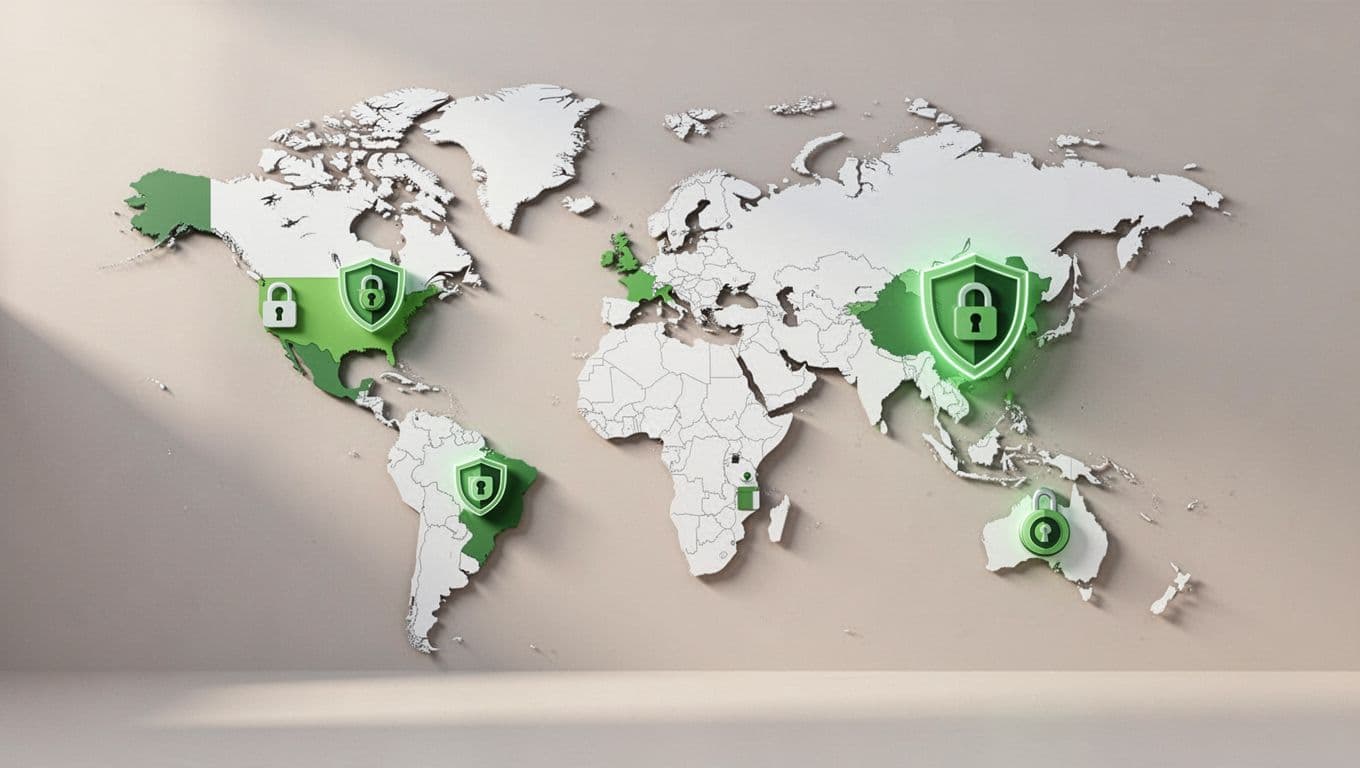
Asia-Pacific lags in data but mirrors global rises. Indonesia’s digital economy booms at $135 billion regionally. Buyers there want proof of local fit. Check this guide on winning Indonesian cybersecurity buyers. China and India drive most demand.
North America dominates with US giants like CrowdStrike. Banks and government face AI risks. Economic strength boosts budgets. However, regional gaps persist.
Poland and Sweden rise quick in Europe. They prioritize network security, which holds 36% share. Proactive tools beat old hardware everywhere.
Talent Shortages Hit Regions Differently
Asia-Pacific tops shortages at 3.4 million jobs in 2026. That’s up from 2.7 million. China misses over 2 million pros. India needs 1 million more. Japan gaps grew 54% to 170,000.
Southeast Asia craves cloud and AI skills. Singapore trains staff, yet holes remain. Indonesia shares this strain as digital push accelerates.

Europe fares better but Germany lacks 120,000. US hits 504,000, up 4%. Rules force hires; 95% of firms add staff for compliance.
Local competitors thrive on this. Europe’s Darktrace sells AI detection. Asia firms undercut with cheap labor. You counter by sourcing rare talent like cloud architects. Bud Consulting fills those roles fast.
Shortages stem from AI threats and geopolitics. Teams miss cloud skills 90% of time. Train locals or import experts. That builds edge.
Regulations Drive Local Demand Spikes
Europe enforces strict rules. GDPR fines push spends. NIS2 hits 30,000 German firms soon. Cyber Resilience Act starts September 2026 for vulnerability reports. DORA and revised acts follow. Cyber counts as defense now, so contracts flow steady.
Asia-Pacific varies. Singapore mandates threat intel. Indonesia ties to procurement cycles. Rules jump hiring needs from 40% to 95% of firms.
North America focuses federal mandates. Economic booms help, but inflation squeezes SMEs.
Tailor pitches to regs. Middle East stresses local compliance too. See strategies for that region. Miss this, and doors close.
Consumer Preferences Vary by Locale
Europeans pick managed services and SIEM tools. Growth hits 10.1%. They favor zero-trust over hardware.
Asia buyers seek outcomes tied to risks. Indonesia pros want vendor proof on regs. China prioritizes scale for IoT.
North Americans bet on AI defenses. Banks lead cloud shifts.
Local tastes mean customize. Website tweaks boost global security. Preferences shift budgets your way.
Actionable Steps to Acquire Localized Market Knowledge
Start with data scans. Pull reports on attacks and spends.
Next, map talent pools. Spot gaps in cloud or IAM.
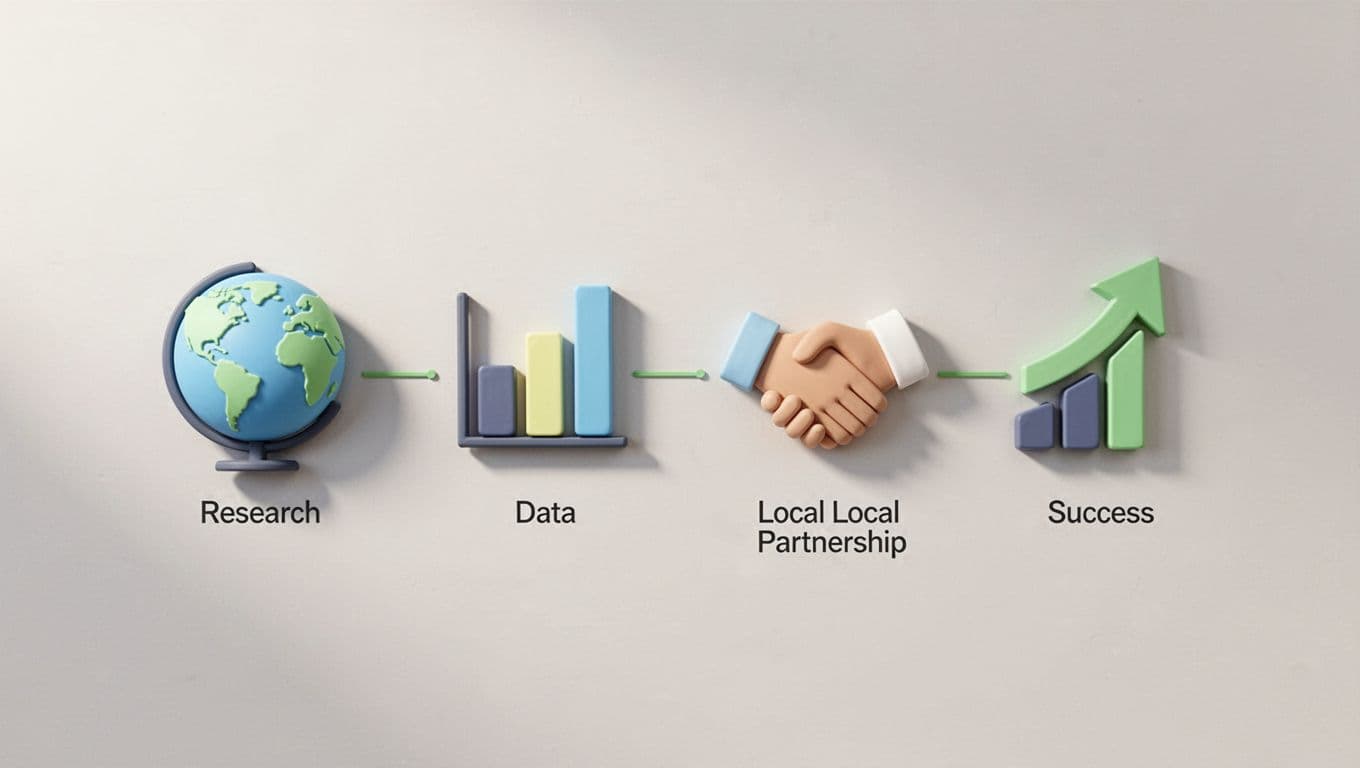
Then, network locally. Handshakes beat cold emails. Talk to buyers in Indonesia or Germany.
Finally, test entry. Partner small, scale on wins. Track graphs upward.
Book a Discovery Call with Bud Consulting for talent intel.
Localized market knowledge turns risks into revenue. Europe booms on regs. Asia needs talent fixes. North America scales big. Act now; gaps close fast. What’s your next region?