table of contents
Cyberattacks hit companies every 39 seconds. You might wonder how businesses stay safe. A cybersecurity risk consultant steps in to spot dangers before they strike.
These pros work with organizations to protect data and systems. They assess threats and suggest fixes. If you’re exploring careers or hiring, this role matters now more than ever.
Let’s break down their daily work and what it takes to succeed.
Core Responsibilities of a Cybersecurity Risk Consultant
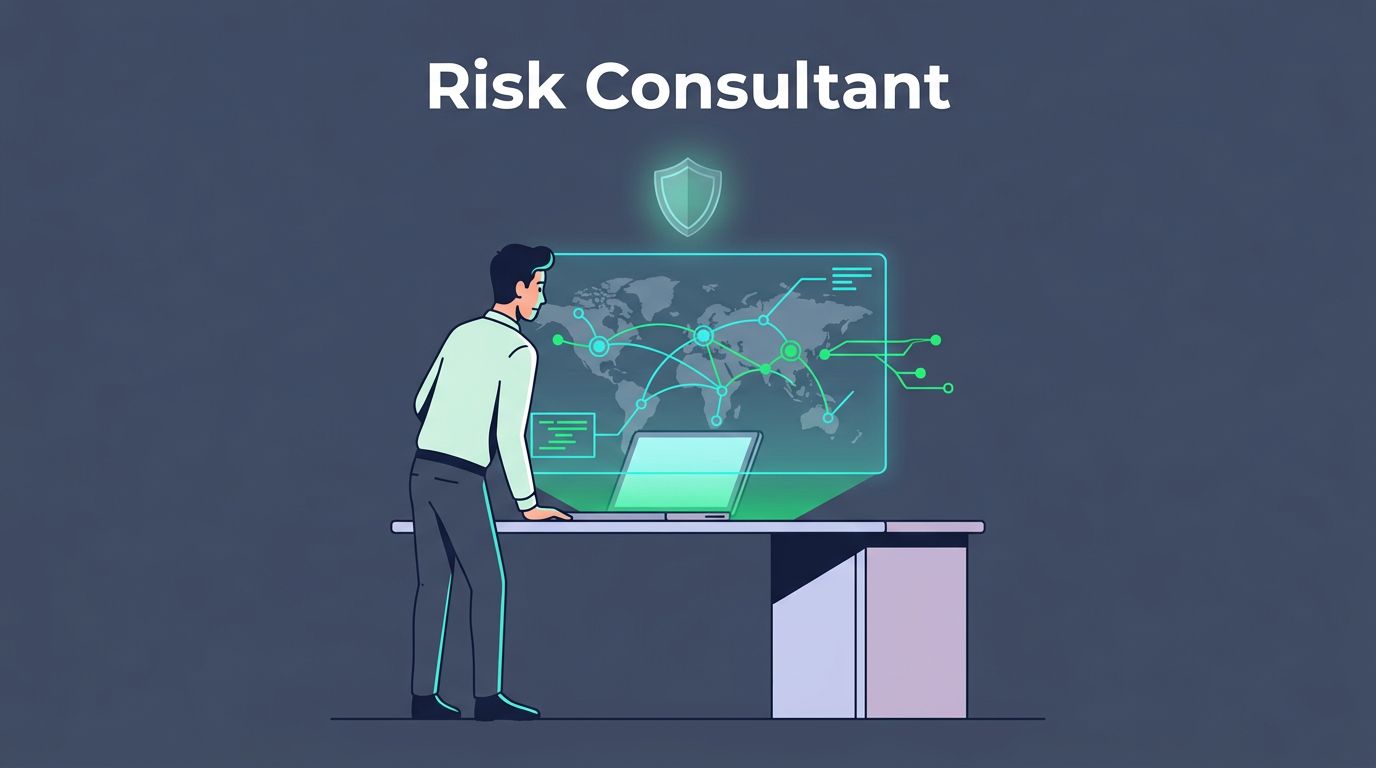
Cybersecurity risk consultants start by conducting risk assessments. They scan networks, apps, and processes for weak spots. For example, they might review employee access to sensitive files.
Next, they check security controls. Does the firewall block intruders? They test these setups and recommend updates. One common task involves mapping out data flows to find gaps.
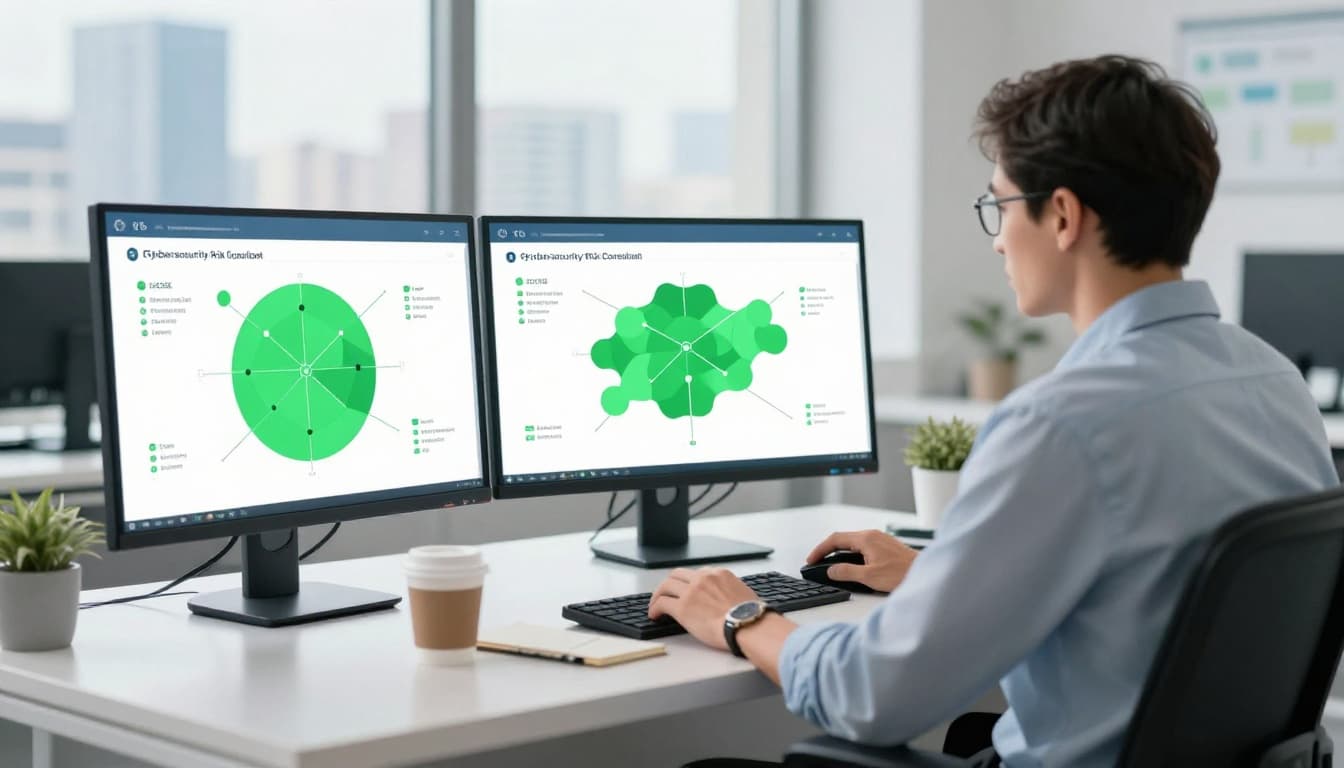
They communicate findings to stakeholders. Picture explaining a phishing risk to executives in simple terms. Consultants create reports with clear charts and action steps.
Compliance support follows. They help meet standards like GDPR or NIST. This includes audits and policy reviews.
Finally, they plan remediations. After spotting a vulnerability, they outline fixes, timelines, and costs. They track progress until risks drop.
For more on these duties, check Coursera’s guide to cybersecurity consultants. In short, consultants bridge technical risks and business needs.
Key Skills and Certifications for Success
Strong analytical skills top the list. Consultants must spot patterns in data logs. They use tools like vulnerability scanners daily.
Communication ranks high too. They translate tech jargon for non-experts. For instance, during meetings, they discuss threats without overwhelming listeners.
Technical know-how helps. Familiarity with cloud platforms and encryption matters. Business acumen lets them align security with company goals.
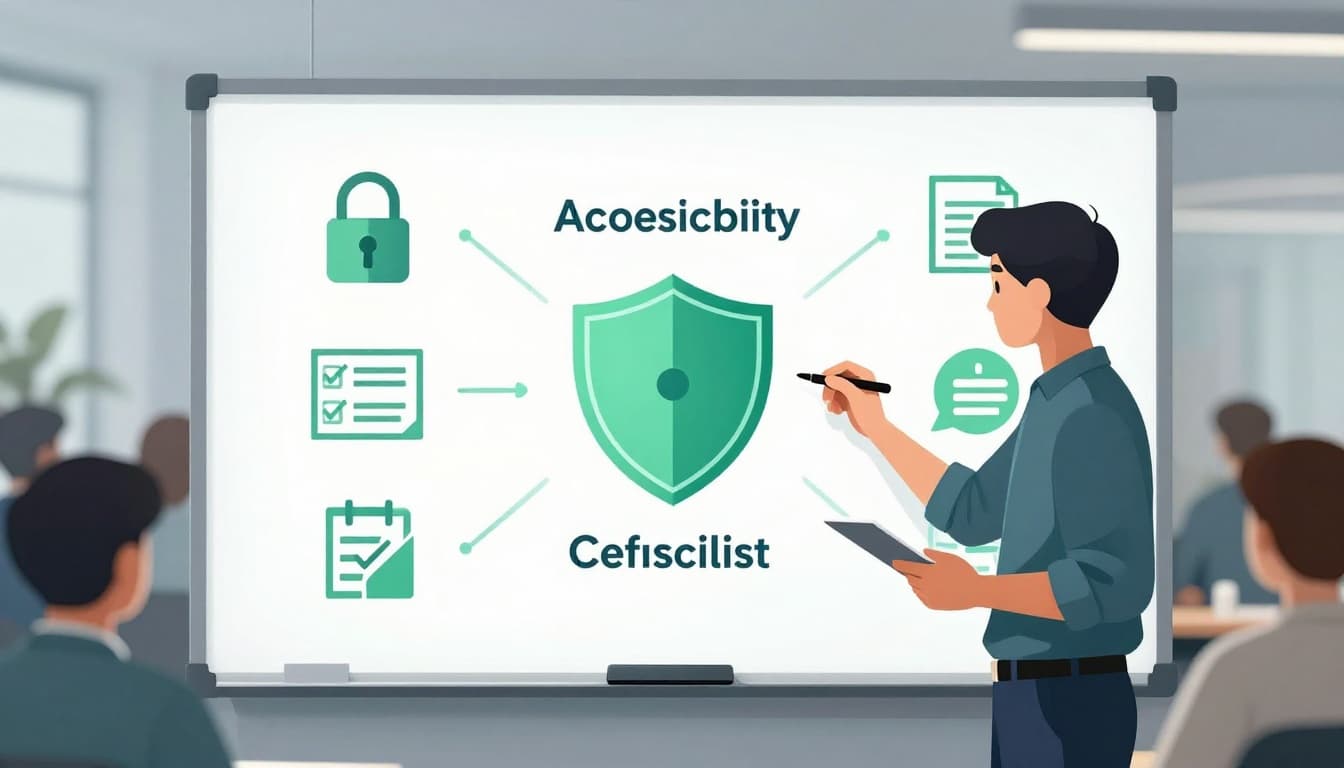
Certifications boost credibility. CRISC from ISACA focuses on risk management. See details on ISACA’s CRISC page. CISSP covers broader security. CompTIA Security+ suits beginners.
Experience counts most. Many start in IT support or analysis. Soft skills like problem-solving seal the deal.
Besides certs, ISACA outlines consultant skills. These tools prepare you for real-world challenges.
How a Cybersecurity Risk Consultant Differs from a Cybersecurity Analyst
Analysts monitor systems daily. They respond to alerts and patch software. Consultants focus on strategy instead.
Analysts handle operations. They watch logs for intrusions. Consultants assess overall posture and advise on big changes.
Overlap exists in tools like SIEM software. However, consultants travel more for client work. Analysts often stay in-house.
For a clear comparison, read Trava Security’s breakdown. Consultants emphasize prevention through planning. Analysts react to issues as they arise.
This distinction helps if you’re choosing paths.
Who Makes a Good Cybersecurity Risk Consultant?
Curious problem-solvers thrive here. You enjoy puzzles and explaining ideas. Attention to detail prevents oversights.
IT background helps, but not always required. Career changers from finance or auditing fit well. They grasp risks already.
Students gain edge through internships. Employers value enthusiasm over perfection.
If you like variety, this role suits you. One day involves audits; the next, board presentations. Patience aids long projects.
Business readers note: these pros reduce downtime costs.
Salary Expectations and Career Growth
Pay varies by experience and location. Entry-level starts around $85,000. Mid-career hits $99,000 on average.
Top earners reach $150,000 plus bonuses. Factors include certs and firm size. Check PayScale’s security consultant data for 2026 figures.
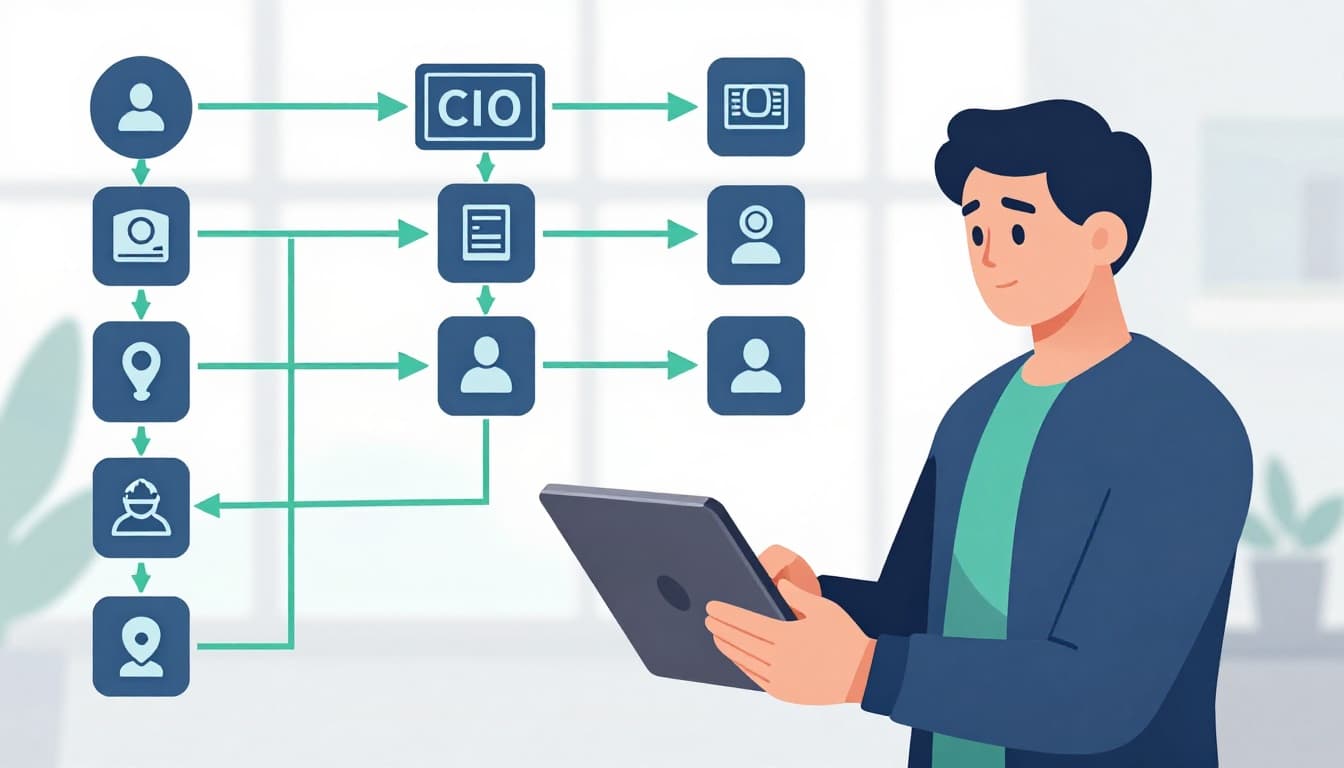
Growth leads to senior roles or vCISO. Many advance in 3-5 years. Demand stays high with rising threats.
Unihackers’ 2026 salary guide predicts steady increases.
Bud Consulting helps with career moves. Book a Discovery Call with Bud Consulting to explore opportunities.
Cybersecurity risk consultants protect what matters most: your data. They turn threats into manageable plans. Ready to join or hire one? Start assessing your risks today. What step will you take next?