table of contents
Ransomware hit 44% of breaches in 2026. Average costs reached $4.45 million per incident. You face these risks daily as an IT leader or security manager.
A weak cybersecurity consultant proposal leaves gaps. It might promise broad protection but skip AI risks or cloud flaws. You need clear criteria to pick winners.
This guide walks you through key checks. Start with expertise, then pricing, deliverables, and more. Follow these steps to avoid costly mistakes.
Check the Consultant’s Expertise and Track Record
First, verify who they are. Look for case studies tied to your needs, like ransomware recovery or cloud setups. Good proposals name specific wins, such as “cut breach response time by 40% for a healthcare client using NIST CSF 2.0.”
Bad ones use vague claims. They say “years of experience” without proof. Ask for references from similar industries.

Check certifications too. Do they hold CISSP, CISM, or vendor-specific ones like AWS Security? For 2026, demand proof in AI risk management and Zero Trust. A strong proposal lists team bios with recent projects on supply chain attacks, up 40% this year.
Cross-check online. Use sites like Security Services Authority’s due diligence checklist for vendor vetting tips. Call past clients. If they dodge details, walk away.
In short, expertise shows in specifics. It builds trust before you sign.
Scrutinize Pricing Models
Pricing trips up many buyers. Consultants push hourly rates of $200 to $300, but costs balloon without caps. Fixed-fee options cap spending at predictable levels, often $10,000 to $50,000 per project.
Compare apples to apples. Hourly suits quick audits. Fixed-fee fits defined scopes like compliance gaps. However, watch for hidden overages in “assumptions.”
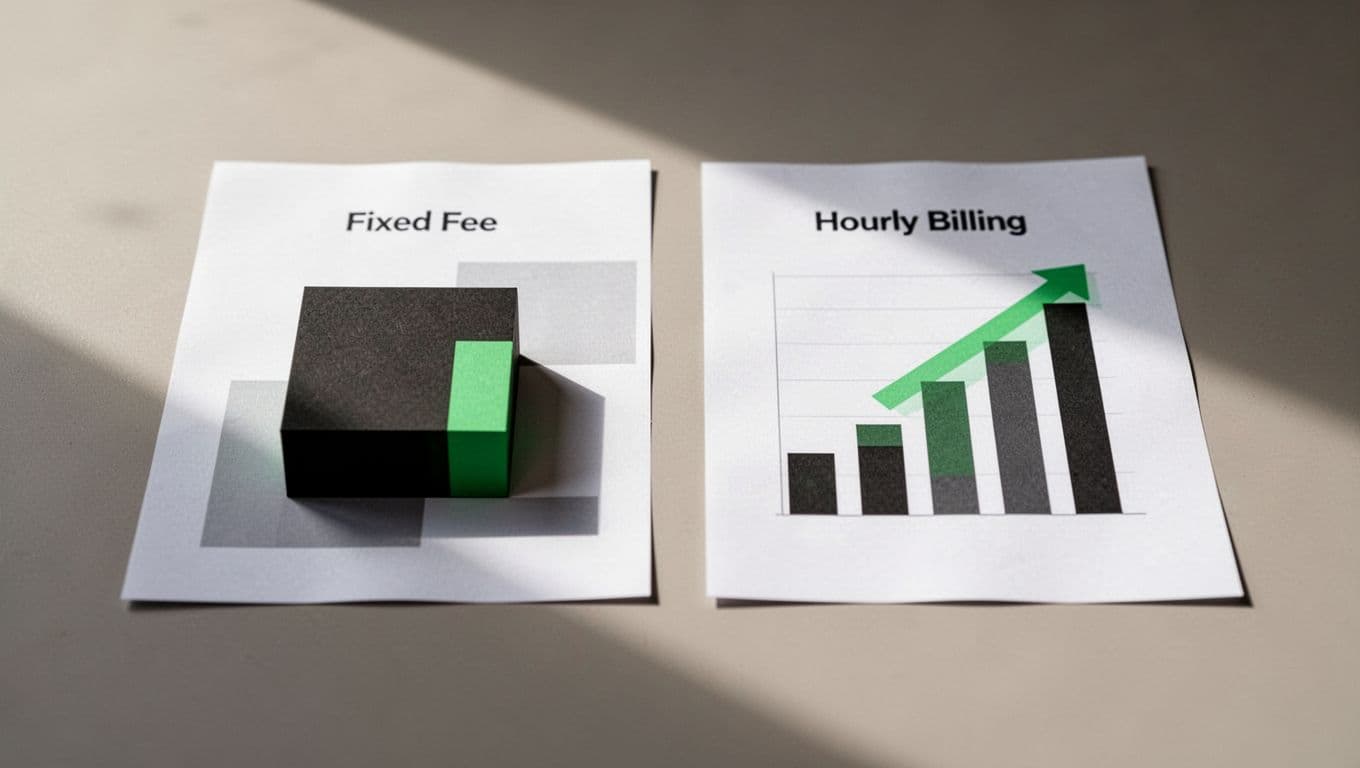
Good proposals break down value. They tie fees to outcomes, like “SOC 2 readiness in 90 days.” See vCISO pricing comparisons for benchmarks. Bad ones lack milestones or bury exclusions.
Ask about retainers for ongoing work. They run $1,600 to $20,000 monthly. Factor in your budget and risks, such as healthcare’s $10.9 million breach average. Choose what aligns with cash flow.
Examine Deliverables and Assumptions
Deliverables must match threats. In 2026, expect coverage of AI agents, cloud misconfigs, and phishing, which caused 16% of breaches. Strong proposals list items like “weekly vulnerability scans” or “ransomware tabletop exercises.”
Spot vagueness. Phrases like “best efforts” signal trouble. Instead, demand timelines: “Deliver NIST CSF 2.0 gap analysis in two weeks.” Good examples specify tools, such as automated GRC platforms for ISO 27001 and SOC 2.
Review assumptions next. They outline limits, like “client provides all logs.” Exclusions cover out-of-scope work, such as hardware fixes. If unclear, costs surprise later.
Use this quick test. Does the proposal address your RFP points? If not, negotiate specifics before moving on.
Spot Red Flags in Compliance and Risks
Compliance sells, but verify it. Proposals should map to NIST CSF 2.0, with AI-driven dashboards and OT integration. Check for HIPAA or PCI DSS if relevant.
Red flags include no mention of cyber insurance ties. Insurers now demand Zero Trust proof to cut premiums 15-30%. Also, skip those ignoring supply chain vetting.
Current stats show small businesses hit every 11 seconds. Demand plans for these. For instance, “AI sentinel models to monitor data leaks.”
Reference NIST CSF 2.0 assessment guides for standards. If proposals lack 2026 trends like quantum prep, pass.
Review Contract Terms Closely
Contracts hide traps. Look for clear SLAs, like 99.9% uptime for monitoring. Vague penalties mean weak accountability.
Payment terms matter. Net-30 is standard; avoid upfront 50%. Liability caps should match your risks, not their limits.
Exit clauses protect you. Can you end early without fees? Good ones include knowledge transfer.
Watch for auto-renewals. They lock you in. Negotiate based on performance metrics.
Apply a Simple Scoring Framework
Score proposals side-by-side. Assign weights to fit your needs.
| Category | Weight | Max Score | Notes Example |
|---|---|---|---|
| Expertise | 30% | 10 | Case studies in cloud/AI |
| Pricing Clarity | 20% | 10 | Fixed-fee with milestones |
| Deliverables | 20% | 10 | Specific, timed outputs |
| Compliance/Risks | 15% | 10 | NIST 2.0, ransomware plans |
| Contract Terms | 15% | 10 | Fair SLAs, exit options |
Total possible: 50. Tally scores, then multiply by weights. Highest wins.

Customize as needed. See consulting RFP scorecards for more ideas. This keeps decisions objective.
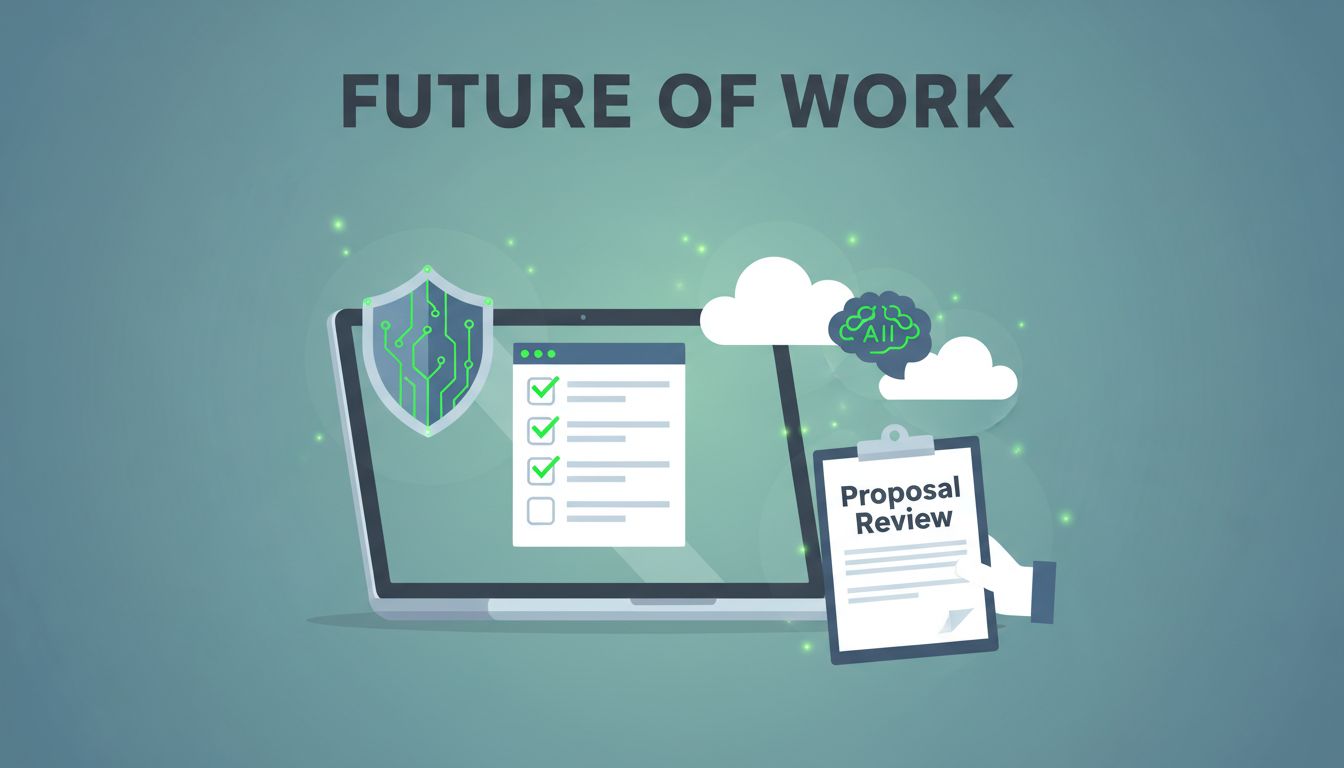
Strong proposals stand out with proof and clarity. They address 2026 realities like AI threats and rising breaches.
Pick the one that fits your gaps. Need help vetting talent or advisors? Book a Discovery Call with Bud Consulting.
What red flag have you spotted lately? Share below.