table of contents
Hiring a cybersecurity consultant feels overwhelming. You worry about vague promises and no real results. In 2026, threats like AI-driven attacks hit harder, so you need clear outputs to show progress.
This checklist breaks down cybersecurity consultant deliverables by project type. It covers what to expect, key contents, and quality checks. You’ll spot gaps early and get value from your investment.
Engagement Types Shape Your Deliverables
Consultants tailor outputs to your needs. A gap analysis project differs from a full audit. Know the type first to set expectations.
For assessments, expect a project proposal upfront. It outlines scope, timeline, and costs. Then comes the gap analysis report. This highlights weaknesses against NIST or CIS benchmarks. For example, it flags missing MFA on admin accounts or unpatched servers.
Implementation engagements add solution designs. Consultants propose fixes like Zero Trust setups. They include implementation plans with steps, resources, and KPIs. Post-project support follows, often as a 30-day handover.
Audits deliver checklists for controls. Check Cyber Audit Authority’s checklist for US standards like NIST SP 800-53. It covers identity checks, patching SLAs, and backups.
Roadmap projects focus on remediation. Dynamic plans prioritize high-risk items first. In 2026, these tie to business impacts, like fines from data breaches.
Each type builds on the last. Start small if budget limits you. Always confirm deliverables match your goals.

Core Elements of Key Documents
Strong deliverables include detailed scoping docs, risk registers, and executive summaries. Each serves a purpose.
Scoping documents define boundaries. They list assets in scope, like cloud infra or endpoints. Include rules of engagement, such as no production disruptions. Add timelines and success metrics. For instance, “Complete 100% vulnerability scans in week two.”
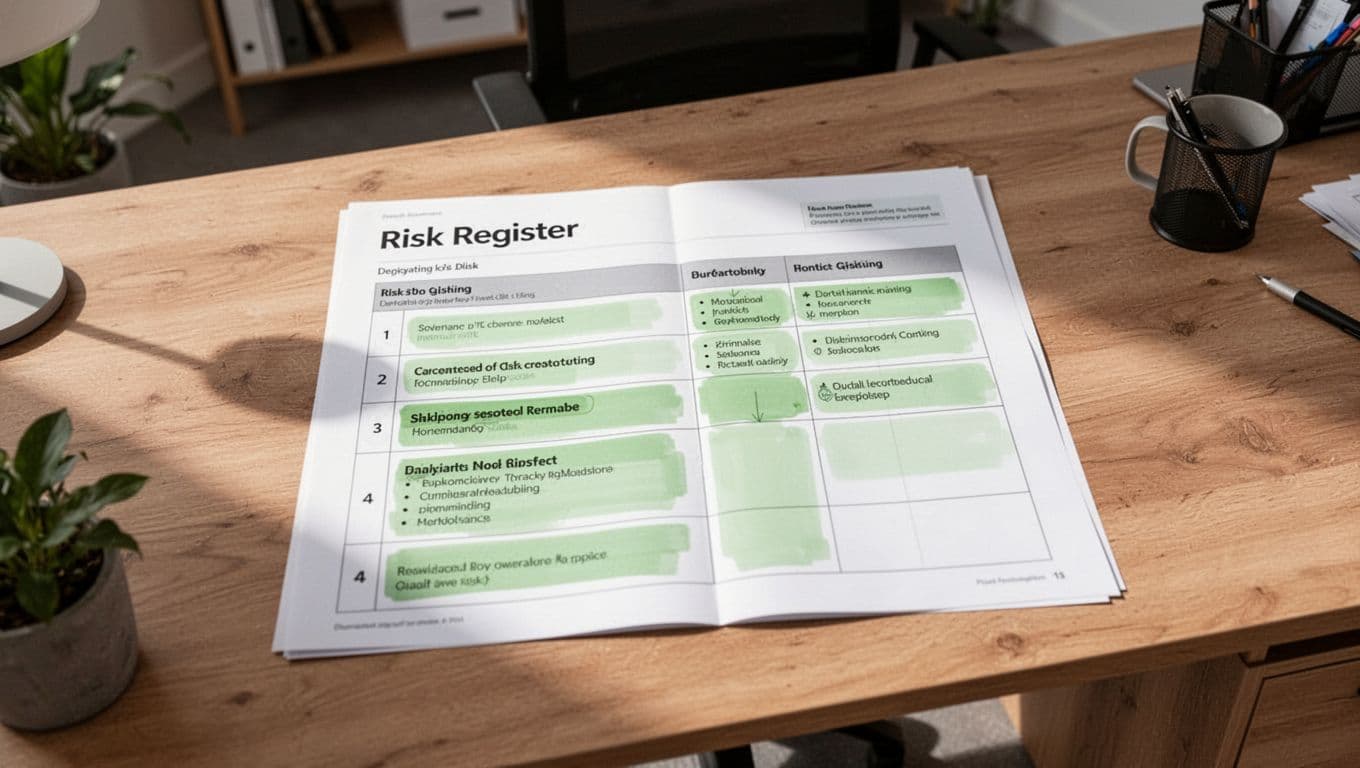
Risk registers track threats systematically. List assets, then score risks by likelihood and impact. Columns cover current controls, gaps, and owners. Mitigation steps follow, with priorities in high, medium, low. Update quarterly for new threats like supply chain attacks.
Here’s a simple table for a basic risk register:
| Asset | Risk Description | Likelihood | Impact | Priority | Mitigation Action |
|---|---|---|---|---|---|
| Admin Servers | Weak MFA setup | High | High | High | Enforce MFA, rotate keys |
| Cloud Storage | Unpatched APIs | Medium | High | High | Apply patches weekly |
| Vendor Portal | Shared credentials | High | Medium | Medium | Review access monthly |
This format proves accountability. Demand evidence like scan logs.
Executive summaries distill findings for leaders. Limit to two pages. Highlight top risks, costs to fix, and ROI. Use visuals for quick scans.
Remediation Roadmaps and Final Reports
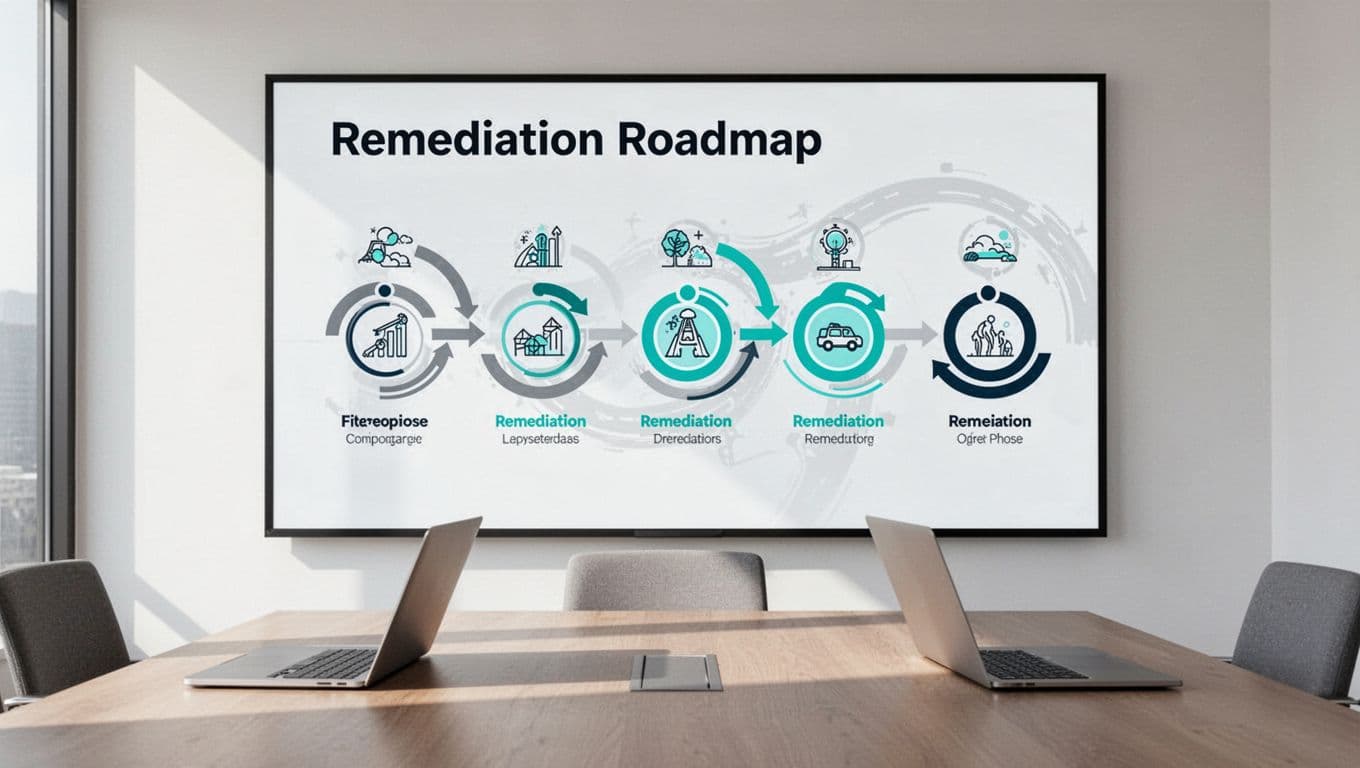
Roadmaps turn risks into action. They sequence fixes over time. Phases include assess, prioritize, implement, monitor.
Prioritize exploited vulnerabilities first. Set SLAs, like high-risk patches in 7 days. Include KPIs: backup success over 95%, detection under 4 hours. Link to budgets and milestones.
For example, week one hardens identity. Next, patch endpoints. Then test restores. Make it dynamic; adjust for incidents.
Final reports close the loop. Recap findings, progress, and lessons. Include proofs like pen-test results or restore demos. Recommend next steps, such as ongoing monitoring.
See LinkedIn’s key deliverables overview for similar structures. These ensure handover sticks.
Spot Quality Issues Before Sign-Off
Evaluate deliverables rigorously. Look beyond polished PDFs.
First, check proofs. Consultants must provide logs, test records, and metrics. No vague claims; verify backup restores work.
Second, confirm framework alignment. Maps to NIST CSF 2.0 or your regs? Gaps signal weak work.
Third, assess KPIs. Expect clear targets: 100% critical fixes, audit scores above 90%.
Red flags include static plans or ignored business risks. Ask: “How do you handle AI threats? What’s your vendor review trigger?”
Use this quick evaluation table:
| Check | Good Sign | Red Flag |
|---|---|---|
| Evidence | Scan logs, demos | Promises only |
| Prioritization | Risk-weighted | Alphabetical list |
| Updates | Dynamic, quarterly | One-time snapshot |
| Business Tie-In | Impact to revenue/fines | Tech-only focus |
Strong deliverables drive real security. If unsure, book a discovery call with Bud Consulting to review yours.
You now hold a practical checklist for cybersecurity consultant deliverables. Use it to demand accountability and build lasting defenses.
Prioritize risks that hit your bottom line. Test every claim with evidence. Your next project sets the tone for safer operations. What deliverable surprises you most?