table of contents
Cyber attacks hit organizations 1,968 times per week worldwide in 2026. That’s an 18% jump from last year. Small businesses face three times more targeting than large ones, and 60% close within six months after a breach.
You manage IT or security, so you know the pressure. One weak spot can lead to ransomware every two seconds or costs topping $10.5 trillion yearly. A cybersecurity readiness assessment checks your defenses before trouble strikes.
This post breaks it down. You’ll see what it involves, why it beats other checks, and steps to act.
Why Run a Cybersecurity Readiness Assessment Today
Threats grow fast. DDoS attacks reach 44,000 daily, and AI phishing shows up in 42% of breaches. Healthcare loses $1.9 million per day to downtime alone.
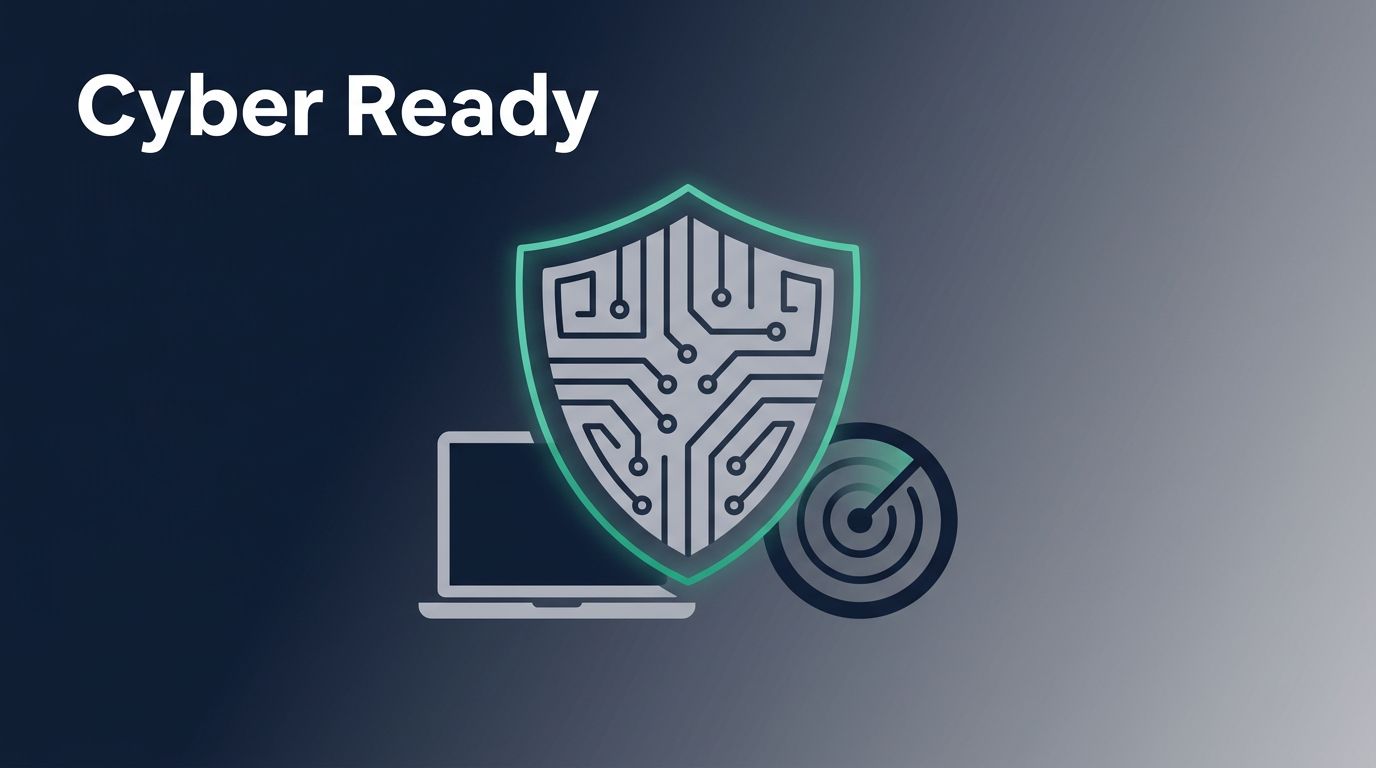
A cybersecurity readiness assessment measures your overall security posture. It spots gaps across people, processes, and tech. Organizations use it to prepare for audits, incidents, or compliance like NIST CSF 2.0.
NIST CSF 2.0 guides this with six functions: govern, identify, protect, detect, respond, recover. CIS Controls v8 adds 18 practical steps, such as patching software and training staff. These frameworks help benchmark your setup.
In short, it shows if you’re mature or underprepared. Cisco’s 2025 Cybersecurity Readiness Index finds most companies stay flat despite rising risks. Run one to cut incidents and save money.
How a Cybersecurity Readiness Assessment Works
Experts start with your goals. They review policies, interview staff, and check systems. No two assessments match exactly because each business differs.
Who joins? IT teams, leaders, and end users. Consultants ask about access controls and training. They gather evidence like logs, configs, and incident reports.
Then they map to frameworks. For NIST, they score protect and detect functions. CIS checks if you limit admin rights or segment networks.
Findings get prioritized by risk. High impact gaps, like unpatched servers, top the list. You receive a report with scores, visuals, and fixes.

This process takes weeks, not days. It builds a baseline for ongoing improvements. As a result, you avoid surprises in real audits.
How It Differs from Other Security Services
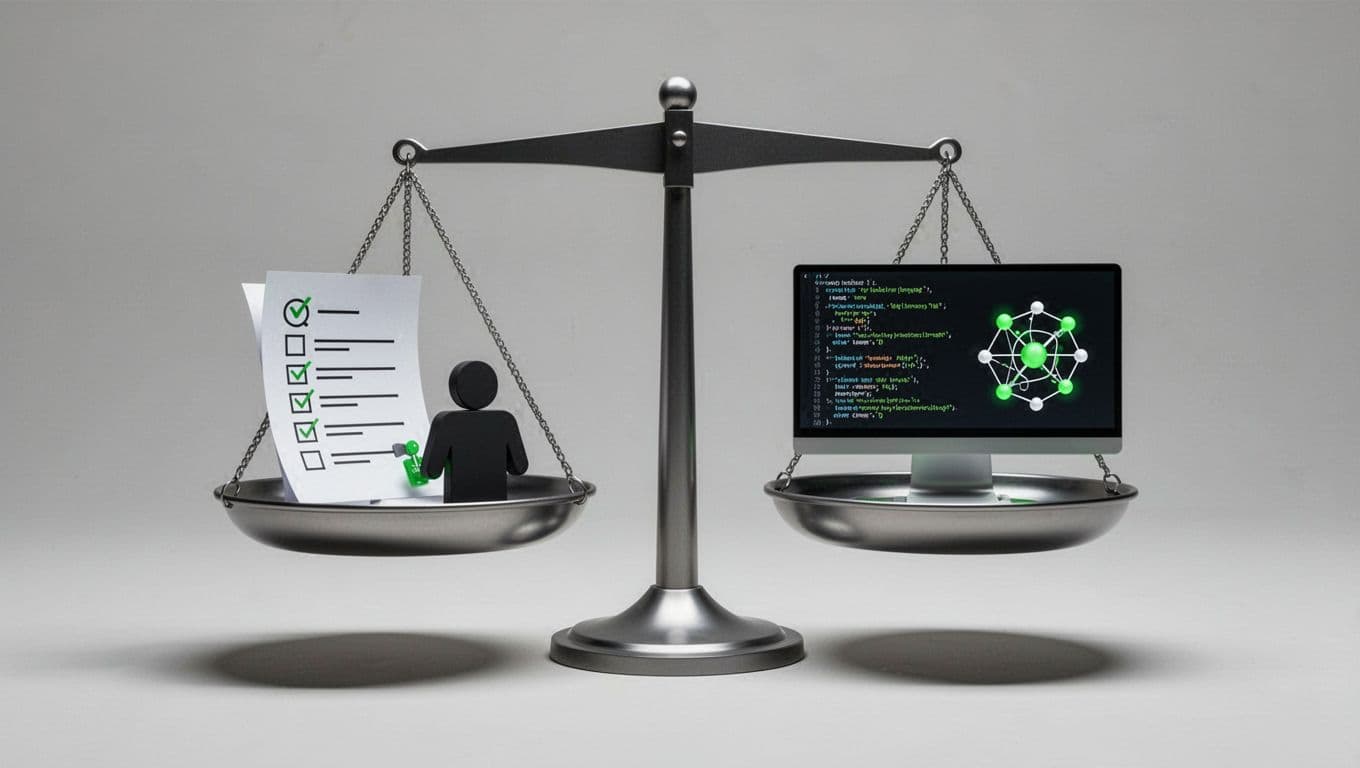
People mix up assessments. A cybersecurity readiness assessment looks broad, while others drill deep.
Penetration testing simulates hackers. It exploits flaws to prove damage. Vulnerability scans hunt known issues automatically, like outdated software.
Audits verify compliance against rules, such as ISO 27001. They check documents and controls but skip active threats.
Here’s a quick comparison:
| Service | Focus | Method | Output |
|---|---|---|---|
| Readiness Assessment | Overall posture | Interviews, reviews, framework mapping | Risk-prioritized roadmap |
| Penetration Testing | Exploit paths | Simulated attacks | Proof of breach potential |
| Vulnerability Scan | Known flaws | Automated tools | List of weaknesses |
| Compliance Audit | Rule adherence | Document checks | Pass/fail certification |
See vulnerability assessment vs penetration testing details for more.
Readiness assessments complement these. They guide when to run scans or tests. Therefore, start here for a full picture.
Common Gaps Uncovered and How to Fix Them
Assessments reveal everyday issues. Weak passwords affect 80% of breaches. Unpatched software lets ransomware in.
Phishing training lags too. Staff click bad links because sessions feel boring. Access controls fail when admins stay over-privileged.
Supply chain risks rise four times in five years. Vendors expose your data.
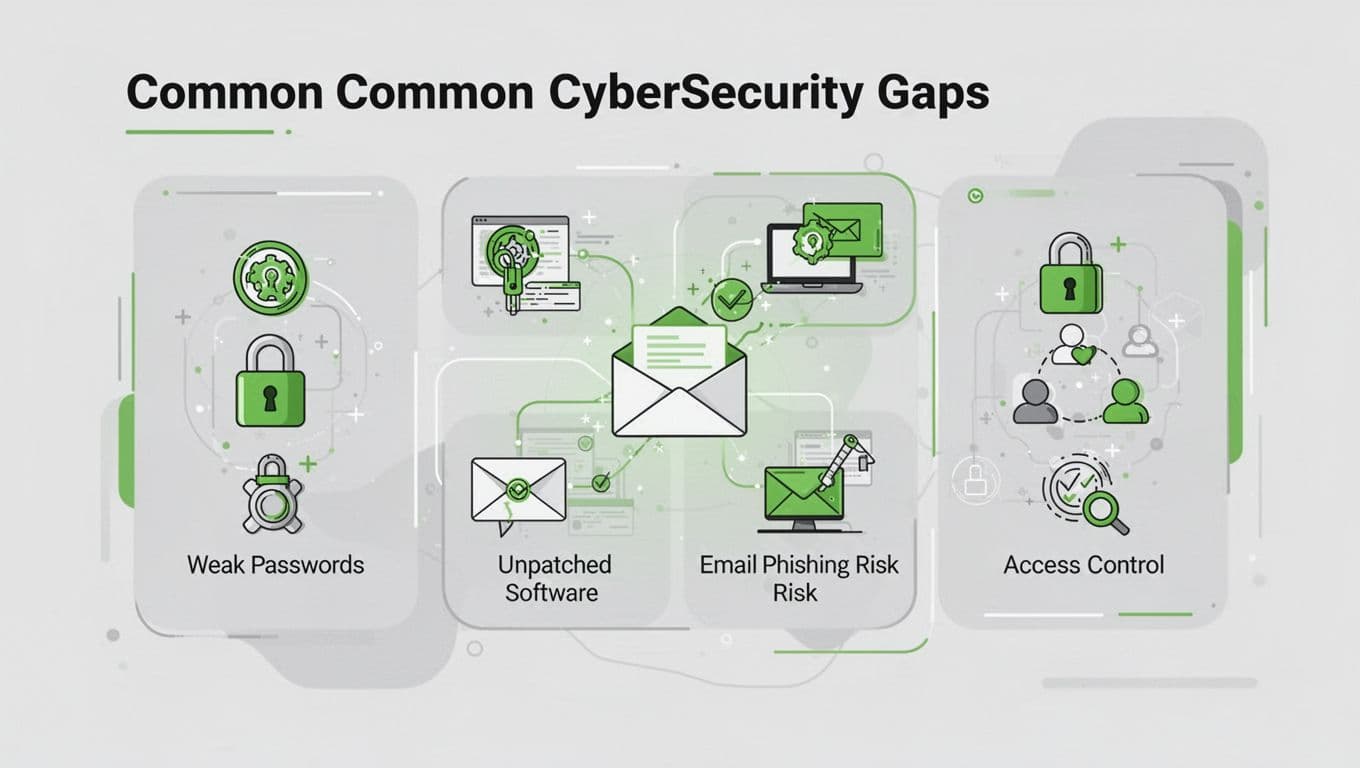
Fixes start simple. Enforce multi-factor authentication everywhere. Patch monthly and automate scans.
Train quarterly with real phishing sims. Use least privilege access. Review vendors yearly.
Prioritize by impact. Track progress with dashboards tied to NIST or CIS.
Steps to Take After Your Assessment
Act on the report right away. Assign owners to top gaps. Set deadlines, like 30 days for patches.
Retest in six months. Build culture with regular drills.
Frameworks evolve, so revisit yearly. For example, NIST’s new profiles add sector tips.
Bud Consulting helps close these gaps. Book a Discovery Call with Bud Consulting to discuss your needs.
A cybersecurity readiness assessment keeps you ahead. It turns risks into strengths before attacks hit. What’s your next move?