table of contents
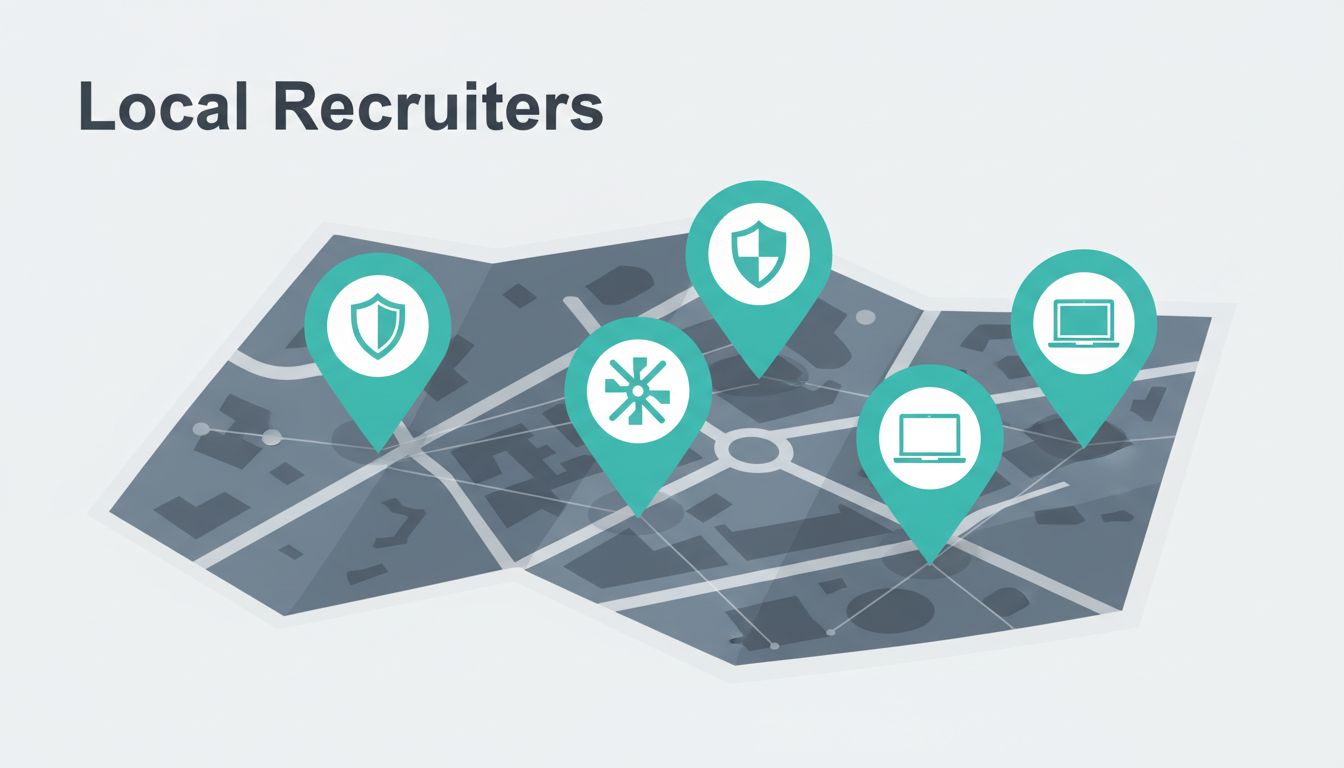
You’re hunting for a cybersecurity job, and cybersecurity recruiters near me tops your search. But results shift based on your zip code. Local pros know the scene in places like San Francisco or Austin, where demand surges.
Threats grow quicker than hires can keep up. A 4.8 million global skills gap leaves half a million spots open in the US alone. Recruiters bridge that fast, especially for nearby roles. This guide shows you how to spot them, prep smart, and land interviews.
How to Find Cybersecurity Recruiters Near You
Start with Google Maps. Type “cybersecurity recruiters near me” and filter by reviews over 4 stars. Check office addresses to confirm they’re truly local.
LinkedIn shines next. Search the phrase plus your city. Follow profiles like those of Rohan Prajapati or Stephen Tepsick, who post openings in cyber and network roles. Message them directly; many respond quick.
Directories help too. Sites like Cybersecurity Ventures’ list of search firms name specialists across the US. Or scan GoGloby’s top agencies for 2026 for vetted options.
Professional groups add value. (ISC)² or ISACA chapters list members who recruit. Your local tech meetups on Meetup.com often share leads.

Staffing sites round it out. KORE1’s cybersecurity page boasts 14-day fills, while Nexus IT Group’s specialists focus on network pros. Results vary by location, so cross-check a few sources.
Cybersecurity Roles Recruiters Often Place
Recruiters target hot spots first. Cloud security engineers top lists. They lock down AWS or Azure setups and handle Kubernetes threats.
AI security specialists follow close. These pros shield models from attacks and test data flows. Demand spikes as AI threats rise.
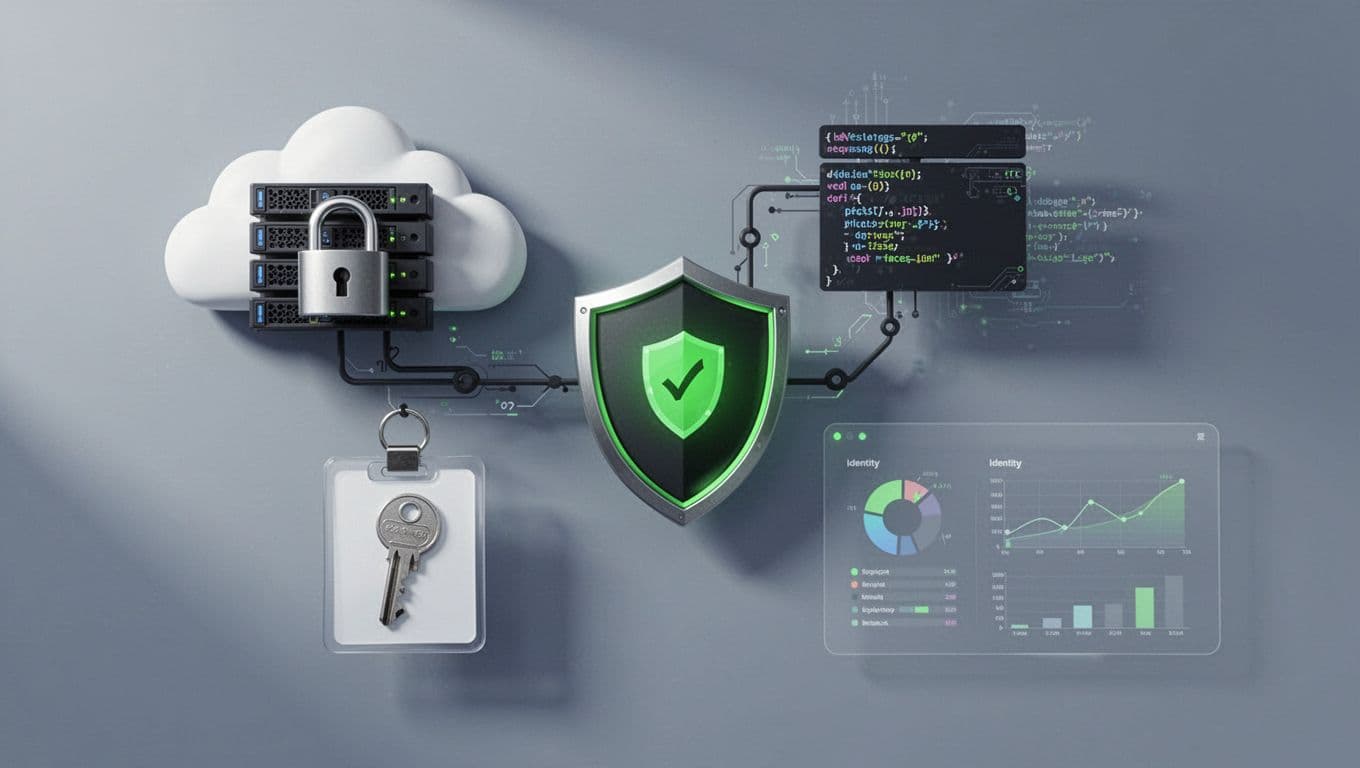
Identity and access management engineers manage logins. They use tools for safe entry, a must in finance hubs like New York.
DevSecOps roles blend code and shields. Engineers bake security into pipelines from day one. SOC analysts watch logs too.
Entry-level spots include compliance aides. Seniors fill CISO chairs. Recruiters place all, but mid-level moves fastest now.
Boutique Firms vs. Large Staffing Agencies
Boutique cyber recruiters dig deep. They know niches like IAM or offensive security. Firms like Bud Consulting vet seniors for cloud architects or execs. Personal touch speeds matches.
Large agencies cast wide nets. Think Robert Half or TEKsystems with cyber divisions. They fill quick but handle volume, so less niche focus.
Choose boutique for rare skills; go big for speed. Both work local searches. Check client lists on their sites.
Boutique recruiters often beat big agencies on retention by 20%, because they screen culture fit better.
Prepare Your Resume and LinkedIn Profile
Tailor your resume tight. List certs like CISSP or AWS Security first. Quantify wins: “Cut breaches 40% via IAM tweaks.”
Use action verbs. “Engineered DevSecOps pipeline” beats “Worked on pipeline.”

LinkedIn needs keywords. Add “cloud security engineer” in your headline. Post threat updates weekly.
Optimize summary. Highlight local ties: “Seattle-based SOC pro seeking nearby roles.” Enable “Open to Work.”
Network smart. Comment on recruiter posts. Share projects on GitHub; link them.
Job Market Trends and Top Cities
April 2026 shows no slowdown. Postings rose 113% since 2020, though budgets pinch growth. Cloud and AI skills rule.
San Francisco Bay Area leads with AWS jobs. New York draws IAM for banks. DC needs compliance.
Seattle and Austin boom in DevSecOps. Your “near me” search pulls these if you’re close.
Certs help stand out. Hands-on projects seal deals.
Boutique or Big? Pick What Fits Your Hunt
You now know paths to cybersecurity recruiters near you. Local tools like Maps and LinkedIn make it simple. Prep strong, target roles like cloud engineers, and choose firm size wisely.
Demand stays high, so act now. Book a Discovery Call with Bud Consulting for resume tweaks or leads.
What’s your top skill? Drop it in comments; we’ll chat trends.