table of contents
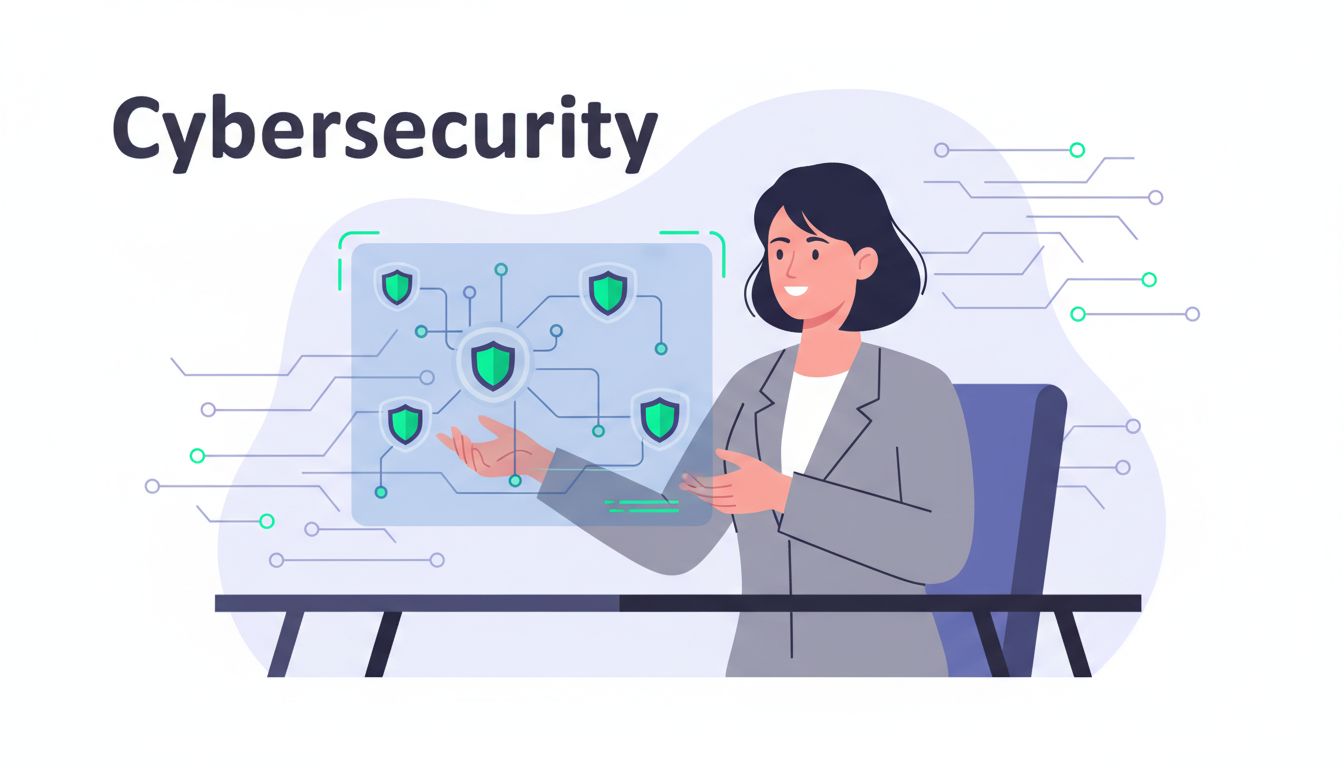
Cyberattacks hit one in ten organizations last year. You might wonder if your business is next. Cybersecurity consultant roles fill this gap by spotting weaknesses before hackers do.
These experts guide companies through threats. They mix strategy with hands-on fixes. If you hire one or aim to become one, knowing their duties helps.
Let’s break down what they handle daily.
Core Responsibilities of Cybersecurity Consultants
Consultants start with risk assessments. They scan networks for weak spots. Then they recommend fixes to close gaps.
Daily work includes vulnerability scans and threat modeling. For example, they check firewalls and access controls. This prevents data leaks.

They build security strategies too. This means creating policies for employee training. Besides, they test systems with penetration simulations.
Incident response falls under their watch. When breaches happen, consultants contain damage fast. They also train teams on quick recovery.
Audits round out the list. Consultants review logs and compliance status. As a result, businesses stay audit-ready.
ISACA outlines common skills like vulnerability management that match these tasks.
Strategic Duties in Cybersecurity Consulting
Strategic work focuses on long-term plans. Consultants align security with business goals. They advise executives on budgets and priorities.
First, they map out roadmaps. These cover cloud migrations or zero-trust setups. In addition, they forecast threats based on industry trends.
They bridge IT and leadership. For instance, a consultant might explain ransomware risks to board members. This builds buy-in for investments.
Compliance planning fits here. Consultants prepare for regulations like GDPR. They document controls to pass reviews.
On the other hand, tactical roles dive into code reviews. Strategic ones shape the big picture. Most consultants blend both, but focus varies by client.
Real-world example: A retailer hires one to plan holiday cyber defenses. The consultant prioritizes payment systems first.
Technical and Incident Response Tasks
Technical duties demand hands-on skills. Consultants deploy tools like SIEM systems. They configure alerts for unusual activity.
Patch management keeps software current. Consultants automate updates to block exploits. Meanwhile, they harden endpoints against malware.
Incident response activates during attacks. Teams isolate infected machines. Then they analyze root causes with forensics.
For example, during a phishing wave, consultants trace emails. They block domains and reset credentials. Speed matters here.
Compliance checks overlap. Consultants run scans against benchmarks. This ensures setups meet standards.
Coursera details how consultants handle these fixes.
Frameworks and Standards Consultants Use
Consultants lean on proven frameworks. NIST CSF guides risk management. It breaks security into identify, protect, detect, respond, and recover steps.
ISO 27001 stresses information security management systems. Consultants audit against its controls for certification.
CIS Controls offer practical safeguards. They prioritize basics like inventory and access limits.
SOC 2 targets service providers. It verifies trust principles through audits.

These tools standardize advice. A consultant might map a client’s setup to NIST first. Then they gap-fill to ISO if needed.
Questsys compares these frameworks for better choices.
Businesses pick based on needs. Non-profits often start with CIS. Enterprises chase ISO.
Skills and Qualifications for Cybersecurity Consultants
Success starts with certifications. CISSP or CISM prove expertise. Hands-on experience trumps paper alone.
Technical chops include networking and coding. Consultants script automations in Python. They also grasp cloud platforms like AWS.
Soft skills shine in meetings. Clear communication sells plans to non-tech folks.
Business acumen helps too. Consultants tie security to revenue protection.
Entry paths vary. Many start in IT support. Others bootcamp into pentesting.
Hiring managers seek proven results. Portfolios with case studies impress.
Boardroom Advisors lists key skills that match.
Bud Consulting vets talent like this. Book a Discovery Call with Bud Consulting to find your fit.
Cybersecurity consultant roles demand versatility. They assess risks, build plans, and respond to threats. Frameworks like NIST and ISO guide their work.
Master these duties to protect or advance. What gap does your team have? Fill it now for stronger defenses.