table of contents
Cyber threats hit harder than ever in 2026. With 4.8 million cybersecurity jobs unfilled worldwide, companies scramble for experts. You face long vacancies and weak defenses because general recruiters miss the mark on niche skills like cloud security or DevSecOps.
Information security search firms step in here. They target pros who handle AI threats and GRC frameworks. This guide shows why specialization wins, plus practical steps to pick the right partner.
What Makes Information Security Search Firms Different?
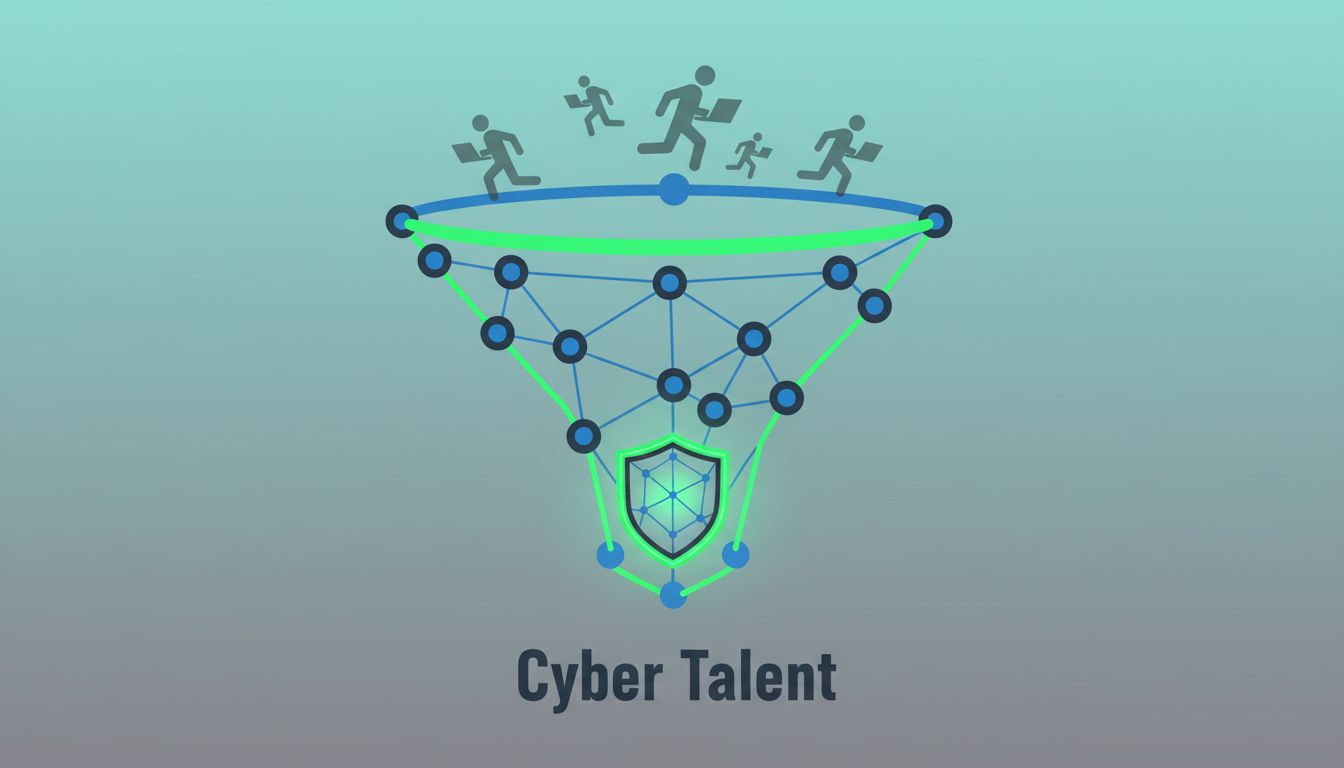
These firms focus solely on cybersecurity talent. They know the field inside out. General recruiters cast wide nets; specialists dig into hidden networks.
Demand surges for roles like IAM engineers and detection specialists. Salaries stay high, yet burnout pushes talent away. Firms with deep benches fill gaps faster.
They vet candidates on real skills, not just resumes. Certifications like CISSP matter, but hands-on proof seals deals. As a result, placements stick.
In short, these search firms save time and reduce risks. You get leaders ready for today’s threats.
Contingency vs. Retained Search: Pick the Right Model
Contingency recruiters work on volume. They flood you with candidates and get paid only on hires. It’s cheap upfront, but quality varies.
Retained search firms commit fully. They charge fees regardless and map exclusive networks. This yields precise matches for tough roles.

The image above captures it well. Contingency feels frantic; retained stays strategic.
For executive hires like CISOs, retained shines. Contingency suits entry roles, although few firms hire newbies now. Choose based on urgency and budget.
Why Specialization Matters in Cybersecurity Hiring
Generalists overlook nuances. Info sec pros need cloud expertise or AI defenses. Specialized firms grasp this.
They tap passive candidates who ignore job boards. Networks include ex-government hackers and vendor leaders. General recruiters can’t compete.

Specialization cuts time-to-hire by half. Firms like those in Talentfoot’s 2026 ranking prove it with track records.
Hot skills evolve fast. DevSecOps and GRC top lists. Specialists stay ahead, so you avoid mismatched hires.
Real-World Hiring Scenarios for Security Leaders
Picture this: Your cloud migration exposes gaps. A general recruiter sends generic IT folks. A specialized firm lands a cloud security architect with AWS certs.
Or, you need a CISO amid regulations. Contingency yields no-shows; retained delivers a compliance vet from finance.
Founders scaling startups face it too. They hunt offensive security experts. Specialists source red-team pros who think like attackers.
Burnout hits SOC analysts hard. Firms replace them with resilient detection engineers. Each case shows why focus beats scattershot approaches.
Check GoGloby’s 2026 agency list for more examples. These scenarios repeat daily.
Buyer’s Checklist: Select Your Search Partner
Use this quick list to evaluate firms. It keeps decisions sharp.
- Deep specialization: Confirm focus on info sec roles like IAM or DevSecOps.
- Retained expertise: Ask for C-level placement stats from 2025-2026.
- Network proof: Request passive candidate examples; avoid job-board reliance.
- Client references: Get recent cybersecurity wins, not general tech.
- Fee structure: Compare retained vs. contingency fit for your needs.
- Cultural fit: Ensure they screen for team alignment and low burnout risk.
Score firms on these. Top scorers deliver.
Navigate 2026 Hiring with Confidence
Talent shortages won’t vanish soon. Specialized information security search firms bridge the gap best. They match skills to threats, from cloud pros to CISOs.
Pick retained for leaders; contingency for volume. Always verify specialization.
Ready to fill roles? Book a Discovery Call with Bud Consulting for tailored advice. What gap keeps you up at night?