table of contents
Your team needs a cloud security architect yesterday. Postings on LinkedIn draw dozens of resumes, but none fit. Interviews drag on, and threats keep mounting. Hiring cybersecurity talent feels impossible in 2026, with over 500,000 U.S. job openings and a skills gap hitting two-thirds of companies.
Specialized recruiters cut through this mess. They know where experts hide and how to vet them fast. You save time and land the right fit.
Let’s break down why they matter and how to pick one.
Why You Need a Specialized Cybersecurity Recruiter
General recruiters post jobs and hope for luck. Cybersecurity demands more. Threats evolve with AI deepfakes and cloud hacks up 136% last year. You can’t afford mismatches.
Specialized recruiters live in this world. They track passive talent, like IAM pros not job hunting. They speak the language of NIST frameworks and DevSecOps pipelines. As a result, they fill roles faster.
Consider the numbers. Job growth for security analysts hits 29% by 2034, with median pay over $124,000. Yet only 15% of firms feel ready. Recruiters bridge that gap by sourcing for hot areas like AI security and GRC.
They also spot cultural fits. A CISO won’t thrive in a startup without buy-in. Specialists ask the right questions upfront.

For example, Leon Consulting shares a skills-first approach that fills tough roles in eight weeks. You get vetted candidates, not resumes. In short, they turn panic into hires.
Roles Specialized Recruiters Excel At Filling
Demand surges for specific spots. Cloud security engineers top the list. They lock down AWS or Azure with monitoring and controls.
Next come AI security specialists. These pros test models for biases and block data poisoning. GRC experts handle compliance like ISO 27001 audits.
IAM specialists prevent account takeovers, a huge cloud risk. DevSecOps leaders bake security into code pipelines. Offensive security pros simulate attacks.
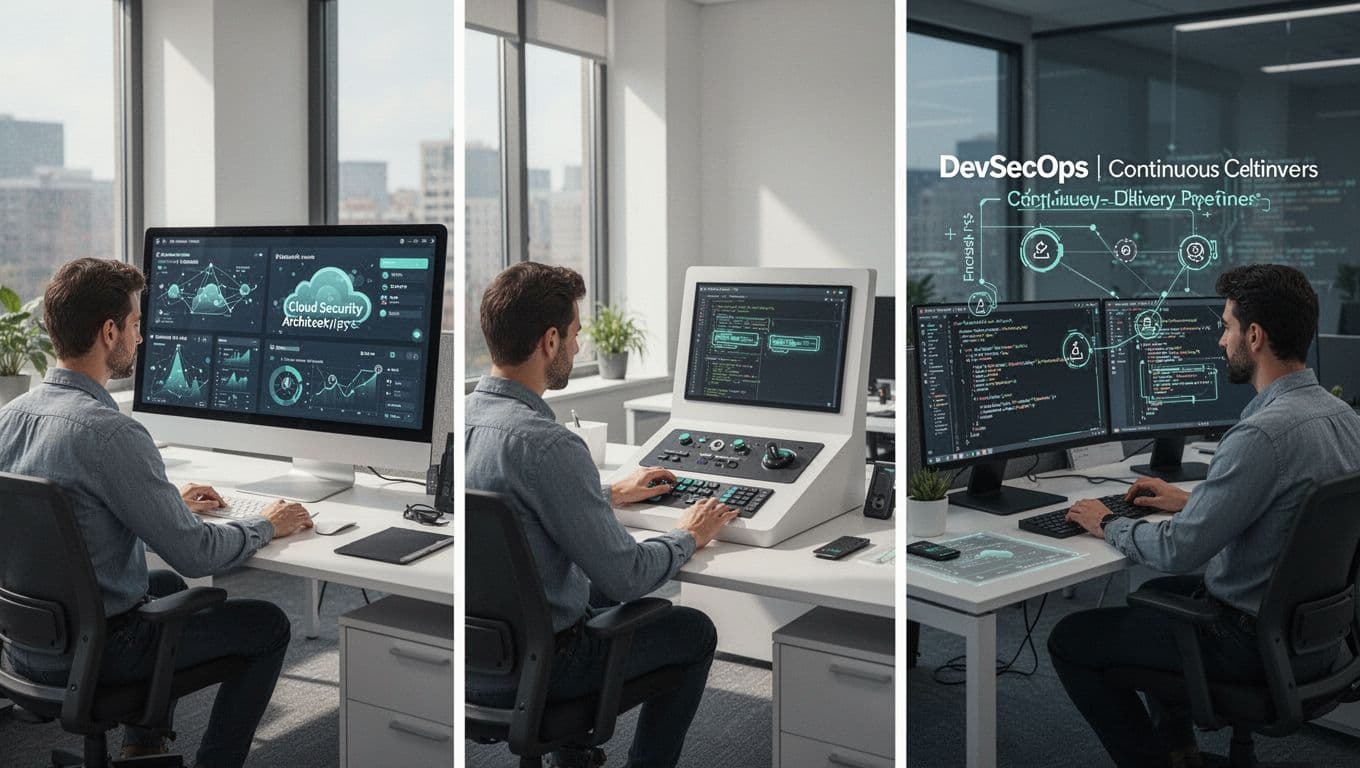
Recruiters shine here because they network in these niches. General boards overflow with pen testers, but ops and engineering roles stay empty. They tap alumni groups or conferences for unlisted talent.
Bud Consulting, for one, targets these exact gaps. You fill senior spots like security executives without months of searching.
Retained, Contingency, or Embedded: Pick the Right Model
Models differ by need. Retained recruiters take exclusive gigs. You pay upfront for focus. They dedicate time to one search.
Contingency means no fee until hire. Multiple firms chase the same role. Speed matters over depth.
Embedded recruiters join your team temporarily. They use internal tools and culture insights.
Here’s a quick comparison:
| Model | Best For | Fee Structure | Fill Rate Example | Timeline |
|---|---|---|---|---|
| Retained | Senior/exec roles | Upfront + success | 95% | 8-12 weeks |
| Contingency | Mid-level, volume hires | Success only | 20-30% | 4-8 weeks |
| Embedded | Ongoing, high-volume | Monthly retainer | 80-90% | Continuous |
Retained suits CISO hunts. Bristow Holland explains the depth. Contingency works for analysts. Embedded fits scaling teams.
Pick based on urgency. For critical gaps, retained wins because focus beats scattershot.
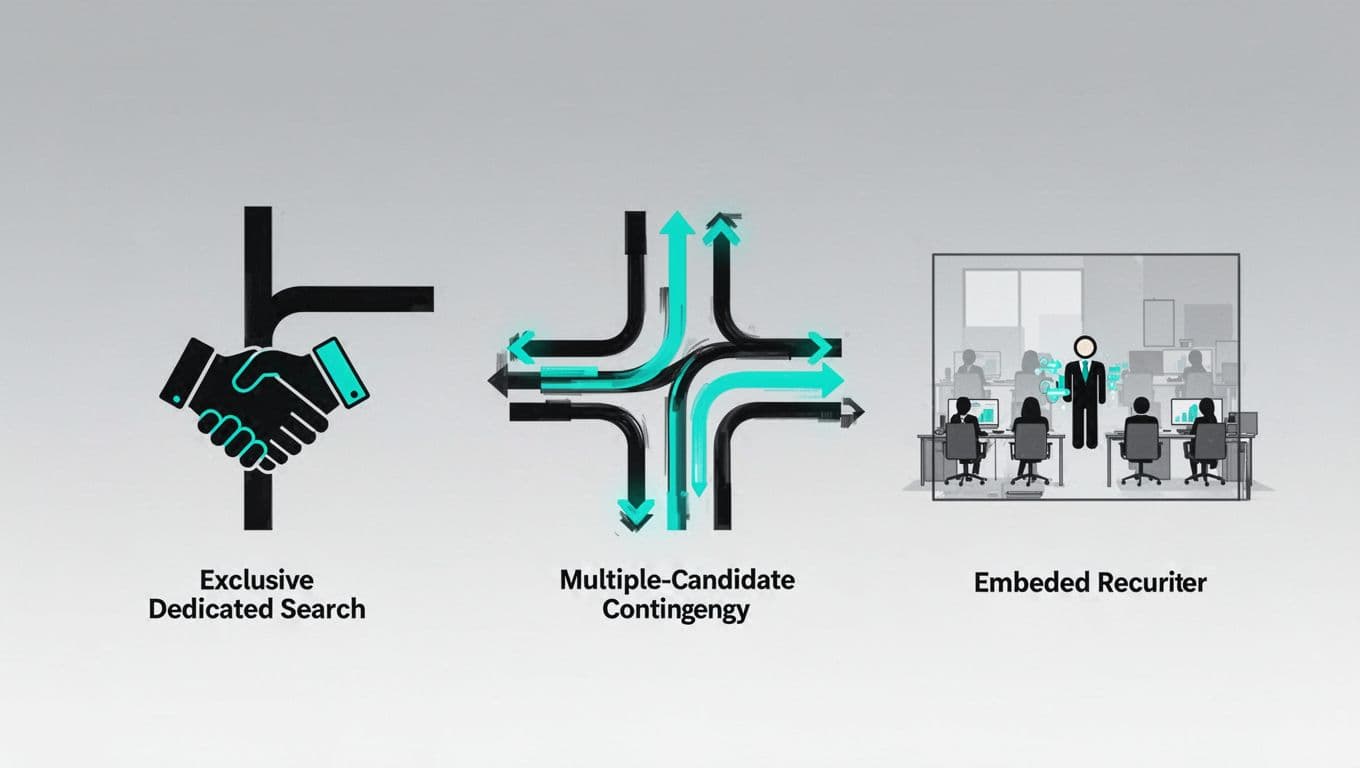
The table shows retained edges out for quality. However, blend models if you hire often.
Prepare This Info Before Engaging a Recruiter
Don’t wing it. Start with a clear job spec. List must-haves like “5+ years AWS IAM” or “CISSP certified.”
Outline company culture. Remote or onsite? Startup pace or enterprise process?
Budget matters. Expect 20-30% of first-year salary as fees. Share comp ranges upfront.
Finally, define success. Time-to-hire under 60 days? Retention at 90% after year one?
Prep speeds everything. Recruiters hit the ground running.
Select and Manage Your Recruiter Effectively
Vet firms like candidates. Check track records in your niche. Ask for case studies on cloud architects or CISOs placed.
Interview them. Do they grasp 2026 trends like AI threats? References from peers seal it.
Manage with weekly check-ins. Share feedback fast. Adjust specs if needed.
KORE1’s 2026 guide stresses tight budgets and talent wars. Align on goals early.
Measure Success and Avoid Pitfalls
Track key metrics. Time-to-fill beats internal efforts? Quality via 30-60-90 day reviews?
Hire rate from submissions? Aim over 50%. Retention after six months?
Adjust if off. Switch models or firms if no progress in 30 days.
Ready to act? Book a Discovery Call with Bud Consulting for tailored advice.
Specialized recruiters solve your 2026 hiring headaches. They source cloud pros and IAM experts amid shortages. Act now, and build a secure team that lasts. What role keeps you up at night?