table of contents
You’re hunting for a cybersecurity role, but the market feels like a maze. With 4.8 million jobs unfilled worldwide this April, talented pros like cloud security engineers and IAM specialists sit in high demand. Yet, landing one takes more than a strong resume.
Cybersecurity recruiters promise to bridge that gap. They connect you to hidden opportunities. But guarantees? Those claims need a close look. This guide breaks down how to spot reliable ones, check fees, and time your search right.
The Cybersecurity Talent Crunch Hits Hard in 2026
Demand surges because cyber threats multiply. AI-driven attacks and cloud expansions pull in experts fast. Employers scramble for DevSecOps leads and GRC pros, but supply lags.
Global stats paint a clear picture. The workforce counts just 5.5 million people against ballooning needs. In the U.S., postings run 113% above pre-2020 levels. Hot skills include AWS security, log analysis, and CISSP certs.
Job seekers face stiff entry barriers. Companies skip newbies for those with portfolios. Salaries climb too: mid-level roles hit $115K to $212K. Employers pay premiums for seniors up to $280K.
This crunch favors specialized recruiters. They tap networks others miss. For lists of top players, check this 2026 roundup of leading cybersecurity recruiters. It highlights firms chasing the same elite pool.
Still, no magic fix exists. Success hinges on your skills first.
What Makes Cybersecurity Recruiters Stand Out
Good recruiters go beyond job boards. They specialize in niches like offensive security or CISO hunts. Look for those with deep industry ties and vetting processes.
Experience counts most. Firms that placed cloud architects or PAM experts last year know client pains. They match cultures, not just skills. Ask for case studies during chats.
Candidate support sets winners apart. Top ones offer resume tweaks, interview prep, and salary advice. They track trends, like rising AI security needs.

Specialization shines in tough markets. General IT recruiters falter on clearances or compliance roles. Seek ones focused solely on security. For example, this directory lists dedicated cybersecurity search firms.
Employers value speed and fit. Recruiters who source cleared talent cut search pains. They reduce turnover with better matches.
In short, standout recruiters build trust through results. They don’t just fill seats; they solve gaps.
Understanding Guaranteed Placements
“Guaranteed placement” sounds ideal. It implies a job or refund. But true ones stay rare in cybersecurity. Why? Talent scarcity makes promises risky.
Most offers mean replacement policies. If a hire leaves early, say within 90 days, they refill for free. Some extend to six months. Check TerkoTech’s one-year guarantee example for IT security. It covers perm hires with clear terms.
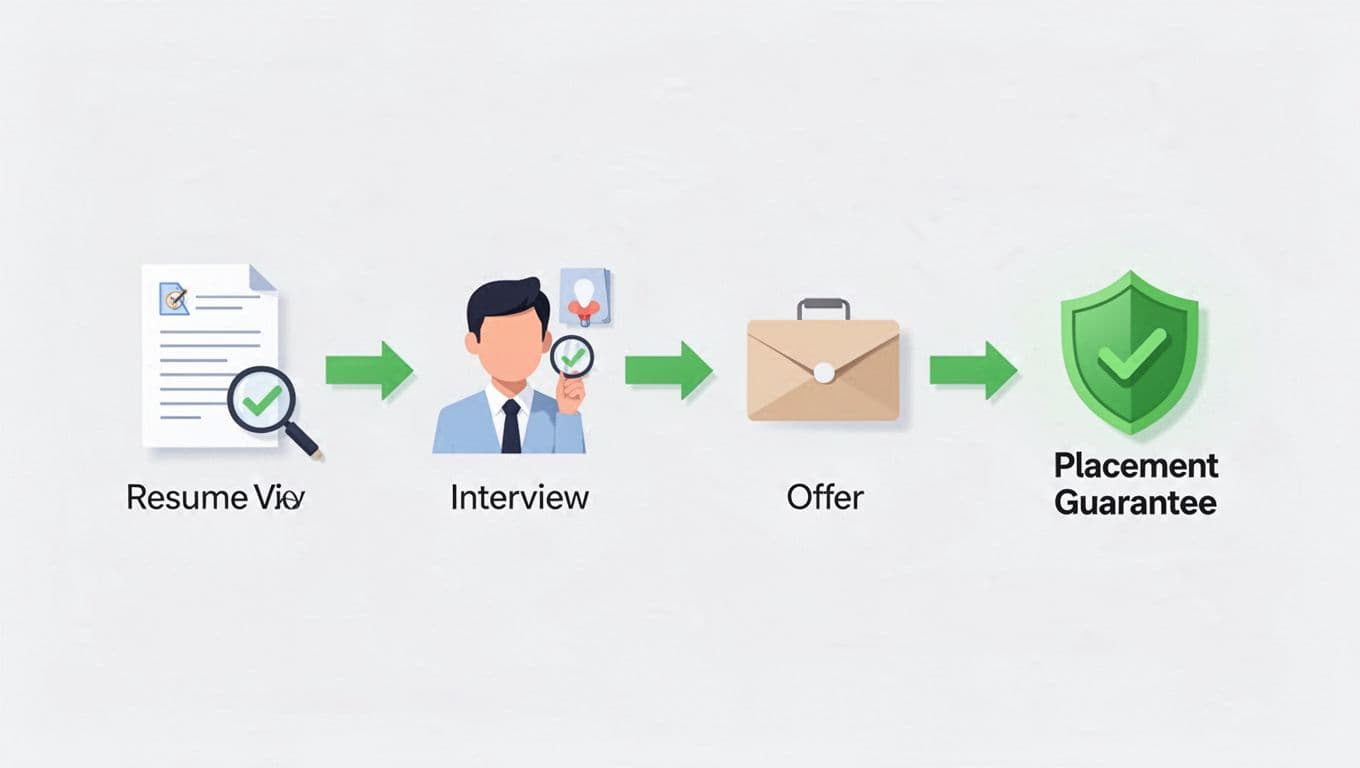
Vetting matters. Read fine print on timelines and conditions. Does it cover only their placements? What if you quit? Strong firms outline this upfront.
For candidates, guarantees boost confidence. Employers gain protection against bad fits. However, no recruiter controls offers. Market demand drives outcomes.
Focus on track records over bold claims. Ask for placement rates. Reliable ones share stats willingly.
Common Fee Structures for Cybersecurity Recruiters
Fees vary by model. Contingency setups charge 18% to 30% of first-year salary on direct hires. You pay nothing upfront; they earn on success.
Contract staffing bills hourly, $60 to $185. Niche cyber roles skew higher. Direct hire for executives hits 25% to 35%. See this 2026 IT staffing cost breakdown.
Retained searches cost flat fees for CISO hunts. Employers pick these for urgency. Candidates rarely pay; recruiters serve them free.
Compare models side-by-side:
| Model | Fee Type | Best For |
|---|---|---|
| Contingency | % of salary (18-30%) | Mid-level fills |
| Retained | Flat upfront | Executive searches |
| Contract | Hourly ($60-185) | Short-term needs |
This table shows quick choices. Contingency suits most because risk stays low.
Always negotiate. Ask about carve-outs for guarantees.
Cybersecurity Hiring Timelines in 2026
Searches drag due to shortages. Expect 60 to 120 days for mid roles. Seniors take longer, up to six months.
High demand slows picks. Cloud and AI specialists draw multiple bids. Entry spots fill slower without experience.

Timelines shorten with recruiters. They pre-vet candidates. Hot markets like GRC cut waits.
Prep helps. Update certs and networks now.
Actionable Tips to Vet Cybersecurity Recruiters
Start with referrals. Check LinkedIn for placements. Read reviews on Glassdoor.
Probe specialization. Do they know IAM trends? Request recent wins.
For employers, test response times. Good ones pitch fits fast.
Candidates, gauge support. Do they coach interviews?
Due diligence pays. Cross-check claims with top agency lists.
Bud Consulting fits this mold. They source senior talent like security execs. Book a Discovery Call with Bud Consulting to discuss your needs.
The cyber job boom rewards smart moves. Pick recruiters with proven support, not flashy guarantees. Build skills alongside. Your next role waits in this thriving market. What’s your first step?