table of contents
Your security team faces constant pressure. Threats evolve daily, and talent shortages leave gaps. In April 2026, over 4.8 million cybersecurity jobs sit unfilled worldwide. You need skilled pros fast, but hiring takes time.
A cybersecurity staffing firm solves this. They source vetted experts for roles like SOC analysts or cloud specialists. Yet, a weak request for proposal (RFP) gets poor responses. You end up with mismatched candidates or high costs.
This guide shows you how to build a strong RFP. You’ll attract top firms and pick the best fit.
Why Partner with a Cybersecurity Staffing Firm in 2026
Demand surges for cybersecurity talent. Skills gaps hit 60% of teams, slowing incident response and raising breach risks. Firms specialize in hard-to-fill spots, like senior roles in cloud defense or threat hunting.
These partners handle sourcing, screening, and onboarding. They tap networks you lack. For example, they match incident responders who cut response times by 47% in understaffed ops centers.
Choose them because internal hiring drags. Postings get buried, and interviews waste weeks. Staffing firms deliver candidates in days, often with clearances ready.
Remote work adds flexibility. Many offer hybrid setups, but specify your needs early. This avoids mismatches later.
Key Roles to Specify in Your RFP
List exact roles upfront. Vague requests lead to off-target proposals. Focus on high-demand positions based on 2026 trends.
SOC analysts top the list. They monitor alerts and triage threats in real time. Demand stems from 24/7 operations centers struggling with volume.
Security engineers build defenses next. They configure firewalls and patch systems. Look for hands-on experience with tools like Splunk or Palo Alto.
Cloud security specialists secure AWS or Azure setups. As cloud adoption explodes, these pros prevent misconfigurations that cause 80% of breaches.
Don’t forget GRC professionals for governance, risk, and compliance. They audit policies and prep for NIST or ISO 27001.
Incident responders handle breaches. They investigate and contain attacks fast.
Consultants advise on strategy. They bridge gaps in DevSecOps or IAM.

For deeper insights on roles in demand, check Glocomms’ 2026 cybersecurity hiring trends.
Tailor quantities to your gaps. Need five SOC analysts? Say so. This helps firms price accurately.
Step-by-Step Guide to Building Your RFP
Start with your needs assessment. Map current gaps against threats. Then define roles clearly.
Next, outline screening criteria. List must-have certifications like CISSP, CompTIA Security+, or CCSP. Add clearance levels, such as Secret or Top Secret if required.
Specify work setup. Remote, on-site, or hybrid? Detail locations and hours.
Include timelines. When do you need candidates? Firms respond better to firm dates.
Cover contract basics. Ask for SLAs on fill rates, like 90% within 30 days.
Finally, request pricing structures. Ask for breakdowns by role and duration.

Follow a template like this one from Inventive’s staffing RFP guide to standardize.
Screening Expectations and Certifications
Firms must prove candidate quality. Demand resumes with 3+ years experience. Require skills tests for tools like SIEM platforms.
Certifications matter most. Prioritize CISSP for leaders, Security+ for analysts, and AWS Certified Security for cloud roles. Also seek CEH for pentesters.
Clearances speed placement. Note if you need U.S. persons or specific vetting.
Screening includes interviews. Ask firms to pre-screen with your questions. This saves your time.
Behavioral fits count too. Security demands trust, so check cultural alignment.
Pricing Structures, SLAs, and Compliance Needs
Pricing varies by role and speed. Expect hourly markups of 40-60% over base pay. Break it down: base rate, markup, extras like travel.
SLAs protect you. Set metrics for submission rates (e.g., 5 candidates per role weekly) and fill times. Include credits for misses, like 10% fee reduction.
Contract terms cover duration, notice periods, and non-competes. Aim for 6-12 month minimums with extensions.
Compliance ensures safety. Require SOC 2 Type II from the firm. Map candidates to your standards, like HIPAA or FedRAMP.
For RFP tips on these, see TechTarget’s cybersecurity RFP advice.
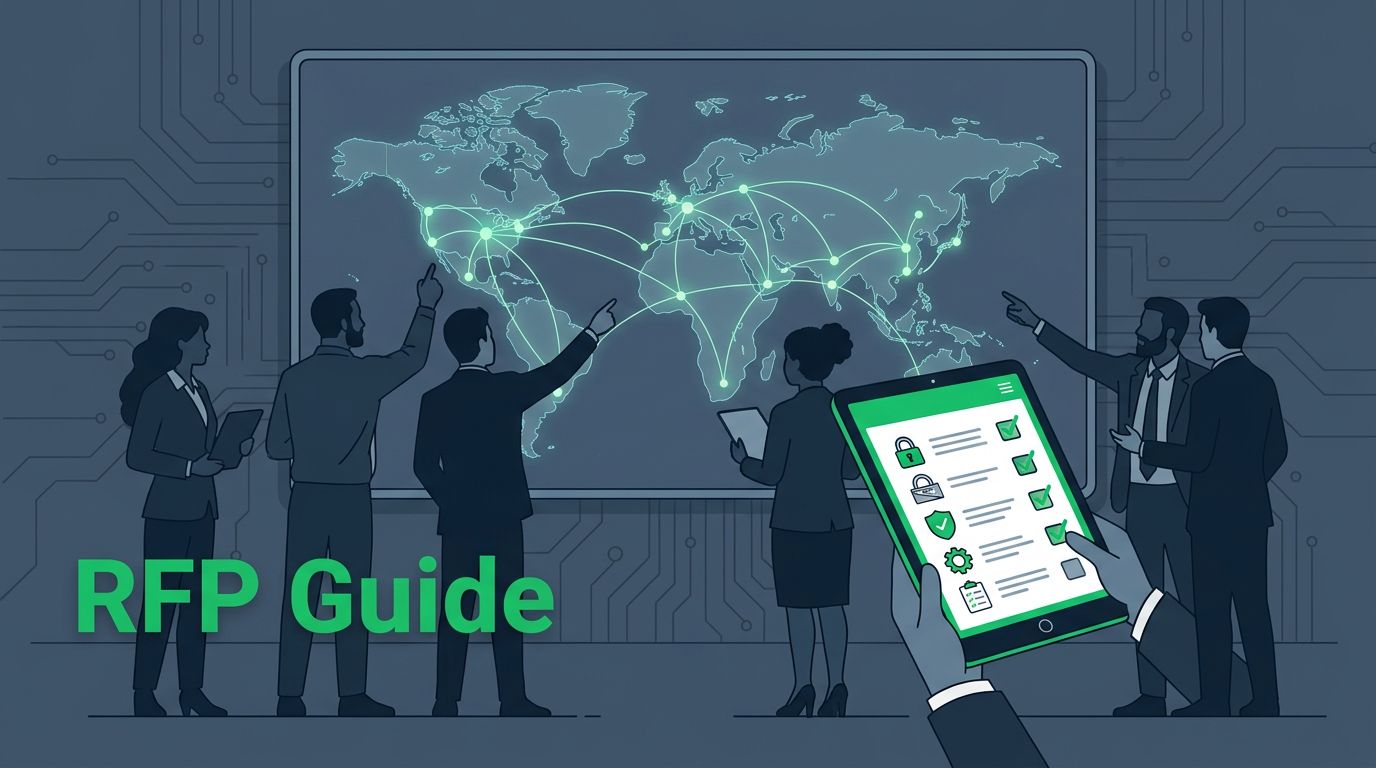
Use this checklist in your RFP:
- Roles and quantities: Detailed list.
- Certifications required: Top 3-5 per role.
- Timeline for placements: Start and ramp-up dates.
- Pricing model: Hourly, fixed, tiered.
- SLA metrics: Fill rate, quality guarantees.
- Compliance proofs: Firm certs and candidate vetting.
- Evaluation criteria: 40% price, 30% experience, 30% SLAs.
Put Your RFP to Work and Secure Talent
A solid RFP from a cybersecurity staffing firm fills gaps fast. You get vetted pros amid the 4.8 million job shortage. Focus on specifics, and responses sharpen.
Act now. Refine your draft with these steps. Then send to top firms.
Ready to close skills gaps? Book a Discovery Call with Bud Consulting for tailored advice.
What role do you need most? Start your RFP today.