table of contents
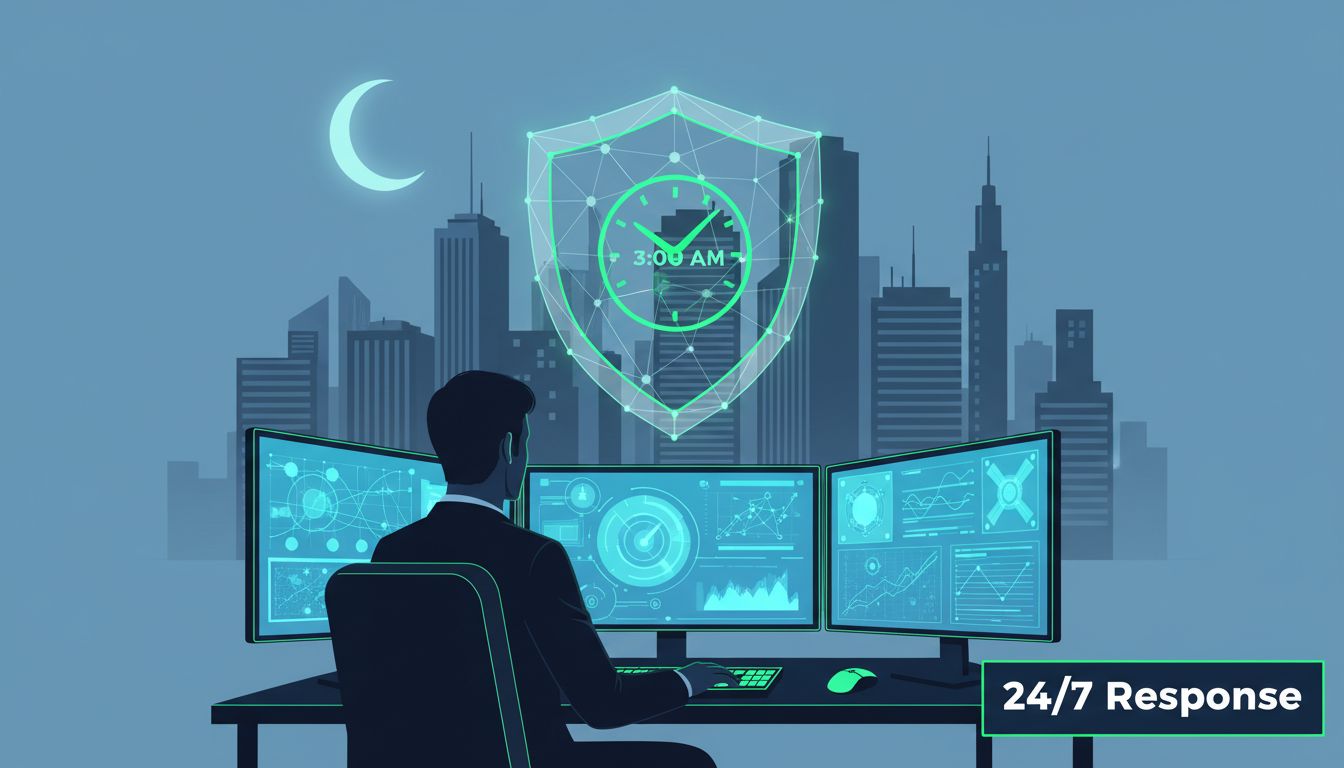
Cyber attackers exploit stolen credentials in just 14 minutes. That’s the reality in 2026. You can’t afford delays when incidents strike at 3 a.m.
As a CISO or IT leader, you need round-the-clock protection. Hiring the right incident response manager ensures your team spots threats fast and contains them. This guide walks you through the process step by step.
Define the Role for Today’s Threats
Start by clarifying what your incident response manager must handle. In 2026, roles go beyond basic firefighting. They oversee governance, operations, and even AI-related defenses.
Cybersecurity jobs grow 29% through 2034, per the U.S. Bureau of Labor Statistics. Yet two-thirds of firms face talent shortages. Focus on skills-based hiring. Look for experience in cloud hardening, detection engineering, and prompt injection testing.
Expect your manager to lead investigations and validate defenses continuously. For example, they might coordinate automated testing of your external attack surface. Check sample responsibilities in this updated incident response manager job description.
They also align with regulatory needs like new federal reporting rules. In short, craft a job spec that matches your org’s risks, not a generic template.
Key Skills Every Incident Response Manager Needs
Prioritize crisis leadership first. Your manager directs the team during chaos, much like a quarterback in overtime.
Seek proven communicators who brief executives clearly. They must rally SOC analysts, legal, compliance, and PR without jargon. Crisis leadership shines in high-stakes scenarios, such as ransomware hits that lock files for days.
Technical chops matter too. Demand hands-on forensics, malware analysis, and playbook development. In 2026, AI security expertise sets top candidates apart. They handle vulnerabilities from generative models head-on.
Soft skills seal the deal. Gauge emotional intelligence through behavioral interviews. Ask about past escalations to cross-functional teams.

This image captures the coordination your manager must drive. Notice the leader at center, bridging team and global alerts.
Regulatory awareness rounds it out. They navigate GDPR fines or SEC disclosures smoothly. Test this with scenarios tied to recent stats: 306 incidents handled in 2025 alone.
Design 24/7 Coverage That Works
Round-the-clock ops demand smart shifts. Divide coverage into time zones: Americas, Europe, Asia.
Build rotations with primary and backup responders. Handovers prevent gaps. Use tools for automated alerts that wake the right person.
Global teams follow best practices like clear escalation paths. For instance, severity levels trigger exec notifications at night. This cuts ransomware recovery from 71 hours to 39 with proper monitoring.
Burnout kills retention. Rotate every four to eight weeks. Offer comp time and mental health days. Track fatigue via post-incident surveys.
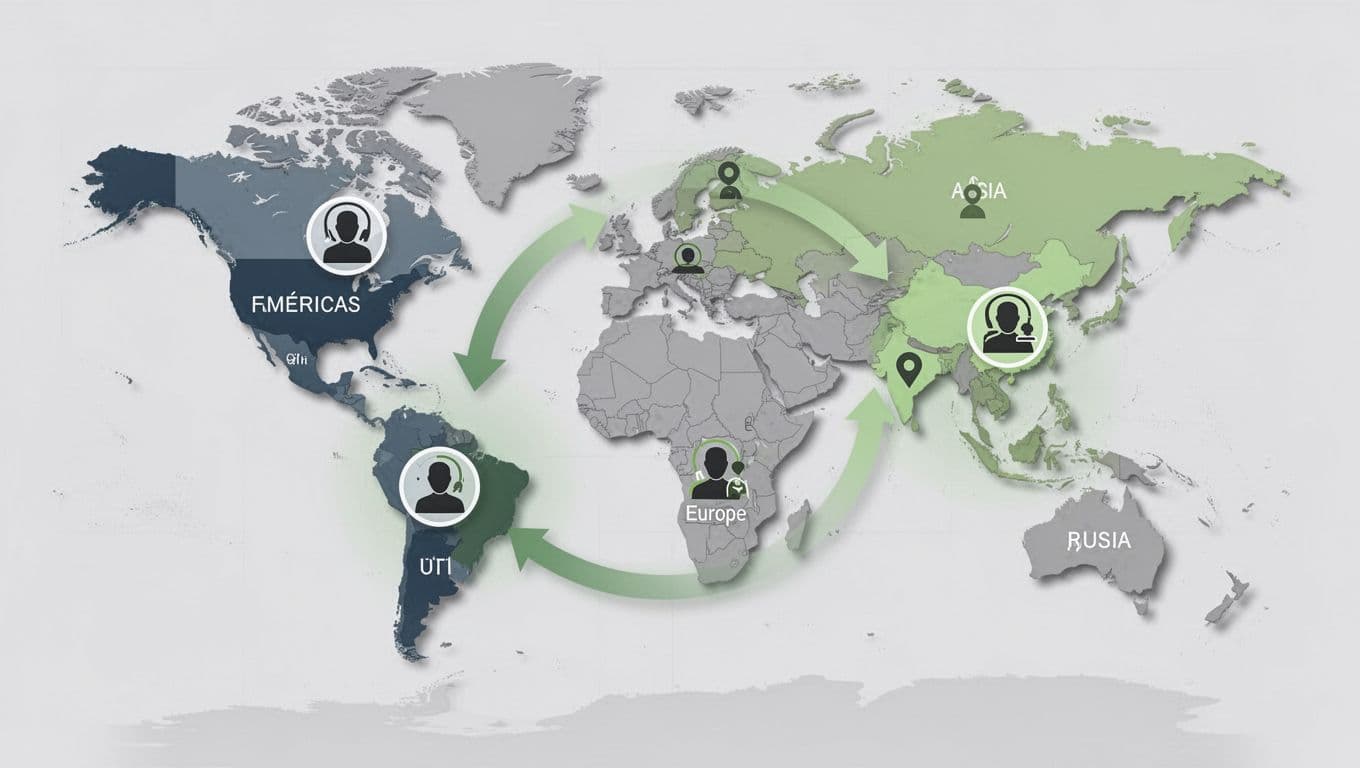
Visualize shifts this way. Arrows show seamless transitions across zones.
Test coverage quarterly with tabletop exercises. Adjust based on alert volumes by hour.
Craft a Targeted Hiring Process
Screen resumes for 10+ years in security ops. Favor SOC leadership over junior roles.
Use structured interviews. Start with technical deep dives, like dissecting a phishing chain. Follow with leadership sims: “Walk us through a multi-day breach.”
Assess cultural fit. They must collaborate with devs and legal. Reference checks reveal coordination strengths.
Involve your team early. A panel interview uncovers blind spots. Aim for diversity; skills-based hiring boosts retention 35%.
Budget $150K-$250K base, plus bonuses. Offer equity for retention.
Set Up Escalation and Team Coordination
Define tiers clearly. Level 1: Analysts triage. Level 2: Manager assesses impact.
Escalation flows to legal for data spills, PR for outages. Practice runbooks weekly.
Your manager owns cross-functional bridges. They prep exec summaries that balance tech details and business risks.
For example, during a BEC scam, they loop finance fast. This shaves hours off resolutions.
Final Hiring Checklist
Use this list before offers:
- Experience: Led 20+ major incidents? Check.
- Skills: AI security, forensics, playbooks? Verified.
- Leadership: Coordinated legal/PR/execs? Examples given.
- Coverage Plan: Outlined rotations and handovers? Detailed.
- Culture Fit: Thrives in on-call? References confirm.
- Reg Knowledge: Handles reporting rules? Tested.
Hiring the right incident response manager transforms your defenses. They deliver 24/7 vigilance without burnout.
Ready to fill this gap? Book a Discovery Call with Bud Consulting for vetted talent.
What challenge holds back your IR team most?