table of contents
You face a tough choice every day. Hackers target your systems, yet cybersecurity talent sourcing feels impossible with 4.8 million unfilled jobs worldwide. Teams burn out from overload, and breaches cost millions.
Budgets tighten, but threats grow. You need pros who handle cloud risks or AI defenses right away. Specialized sourcing fills those gaps fast.
This guide shows how it works. You’ll learn differences from recruiting and what matters most for your hires.
Why Specialized Sourcing Tops Traditional Hiring Now
Demand outstrips supply in cybersecurity. Half of organizations take over six months to fill roles, so delays weaken defenses. In the U.S., 500,000 postings sit open as of early 2026.
Cloud adoption drives this. Breaches from misconfigs hit headlines often. Yet 59% of teams lack those skills. AI security joins the list, with 72% of leaders short on experts.
Smaller firms hurt most. They face 56% skills gaps and budget woes. Burnout pushes talent out, so you compete on pay and wellness.
Sourcing services target passive candidates. These pros aren’t job hunting. They hold 70% of top skills. Outreach via networks cuts time-to-fill.
For example, GRC roles need NIST know-how. Standard job boards miss them. Sourcing digs deeper. As a result, you get vetted fits faster.
Check cybersecurity workforce trends for 2026 for more stats.
Sourcing vs Recruiting vs Staffing Explained
People mix up terms. Each serves different needs in cybersecurity.
Sourcing finds and qualifies candidates early. Experts scan networks for passive talent. They screen tech skills first. You get a shortlist ready for interviews.
Recruiting covers the full cycle. It includes sourcing plus interviews and offers. Agencies handle negotiations too. Good for volume hires like SOC analysts.
Staffing provides temps or contractors. Firms place workers on your payroll short-term. Use it for incident responders during surges.
Sourcing stands out for seniors. Think security architects with clearances. Passive outreach reaches them. Technical screens ensure quality.
Recruiting suits mid-level like app sec engineers. Staffing fits quick fixes, say IAM tweaks.
Choose based on role. Sourcing saves time for hard fills. In contrast, full recruiting eases HR load.
High-Demand Roles That Demand Expert Sourcing
Certain jobs top lists in 2026. SOC analysts monitor alerts round the clock. They triage threats fast. Entry pay hits $66,000, seniors reach $170,000.
Cloud security engineers secure AWS or Azure setups. Misconfigs cause 80% of breaches. Demand surges with migrations.
Application security engineers embed checks in code. DevSecOps needs them. They catch flaws pre-deploy.
Incident responders contain attacks. They analyze breaches live. Skills in forensics matter most.
GRC specialists handle compliance. NIST or ISO 27001 guides their work. Regs tighten yearly.
IAM experts control access. PAM tools prevent insider risks. Clearances boost their value.
Security architects design defenses. They align tech with business risks.
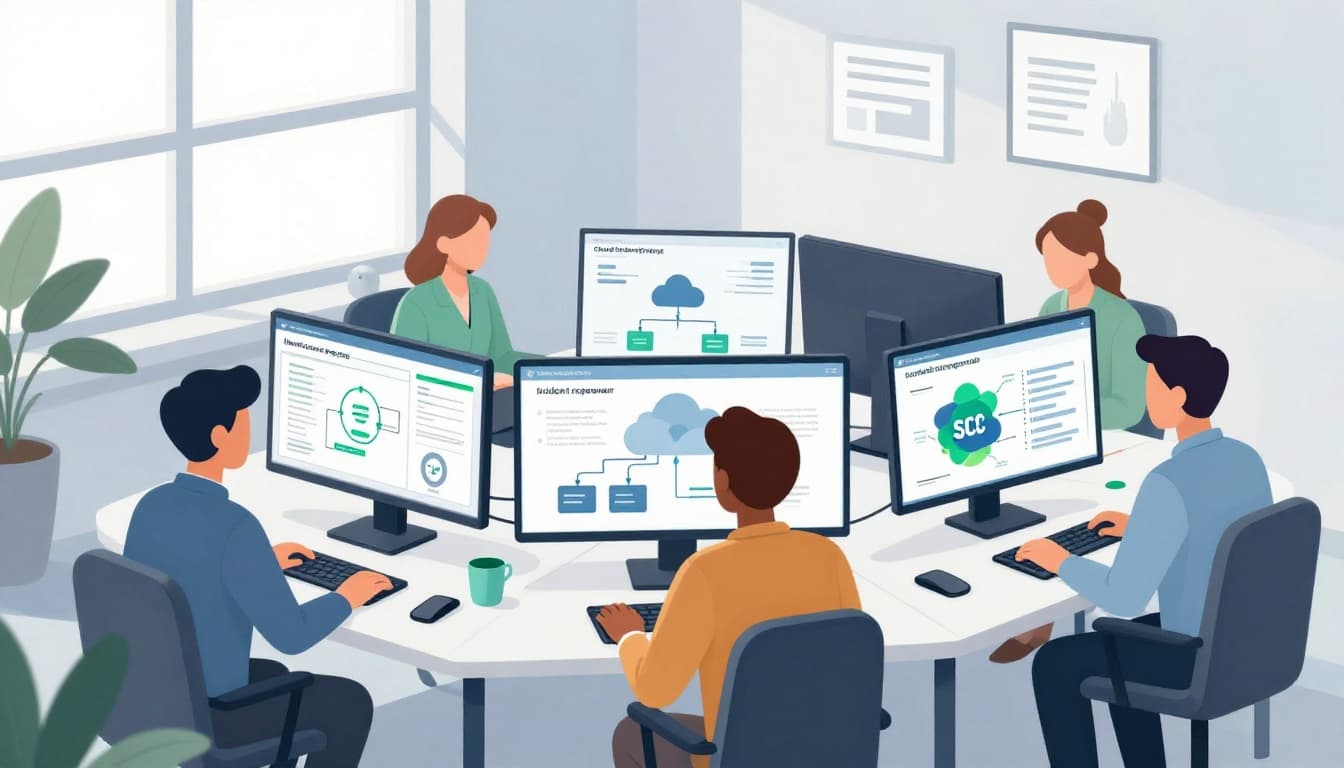
See cybersecurity roles in highest demand in 2026 for details.
These roles need deep screens. Generic resumes hide gaps. Sourcing verifies hands-on experience.
How Expert Sourcing Delivers Qualified Candidates
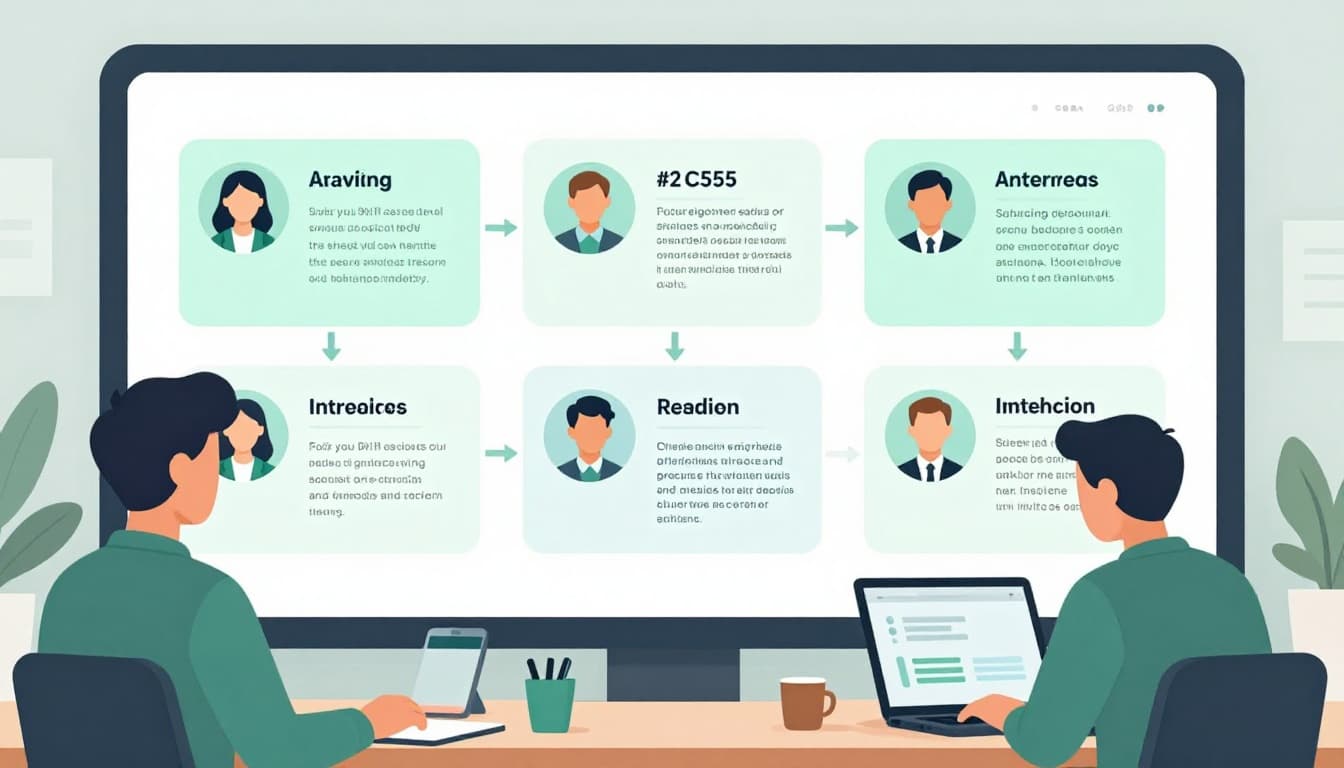
Top firms follow a tight process. Recruiters map your needs first. They list must-haves like clearances or cloud certs.
Next, they hunt passives. LinkedIn, forums, and networks yield 70% of finds. No spam postings.
Screens start technical. Coding tests for app sec. Scenarios for responders. Only 20% pass.
Interviews probe culture fit. Then profiles land with you. Notes cover strengths and risks.
Time-to-fill drops to weeks. One firm cut it from 90 days. Quality soars because screens align with compliance.
Passive outreach works best. Active seekers flood boards. Passives bring stability.
What Sets Top Sourcing Partners Apart
Look for proven screens. Do they test real skills? Ask for pass rates.
Passive reach matters. Networks in DoD or finance help clearances.
Track records show speed. Aim for under 30 days. Check retention post-hire.
Alignment fits your stack. Cloud? GRC? They source accordingly.
Fees tie to success. Pay per hire beats retainers.
Compare options like top cybersecurity recruitment agencies in 2026.
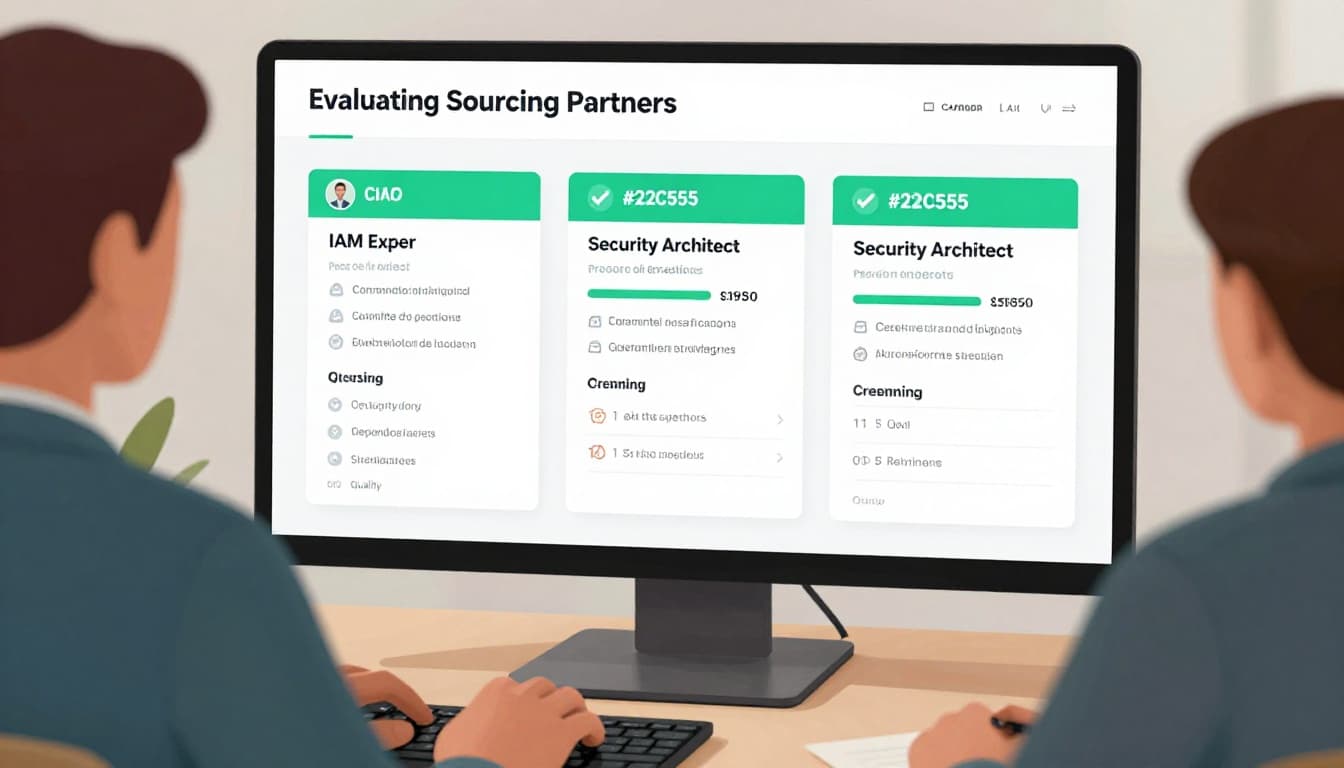
Quality trumps quantity. Vetted pipelines reduce risks.
Build Your Secure Team Without Delay
The 4.8 million gap won’t close soon. Specialized cybersecurity talent sourcing bridges it now. Focus on quality screens and passives for roles like IAM or cloud engineers.
You gain speed and fits. Teams strengthen fast.
Ready to fill gaps? Book a Discovery Call with Bud Consulting. Start with vetted options today.