table of contents
Cyber threats hit harder than ever this year. Organizations face a global shortage of 4.8 million cybersecurity pros, and skills gaps slow down teams by 47%. You need experts in cyber threat intelligence fast, but general recruiters miss the mark.
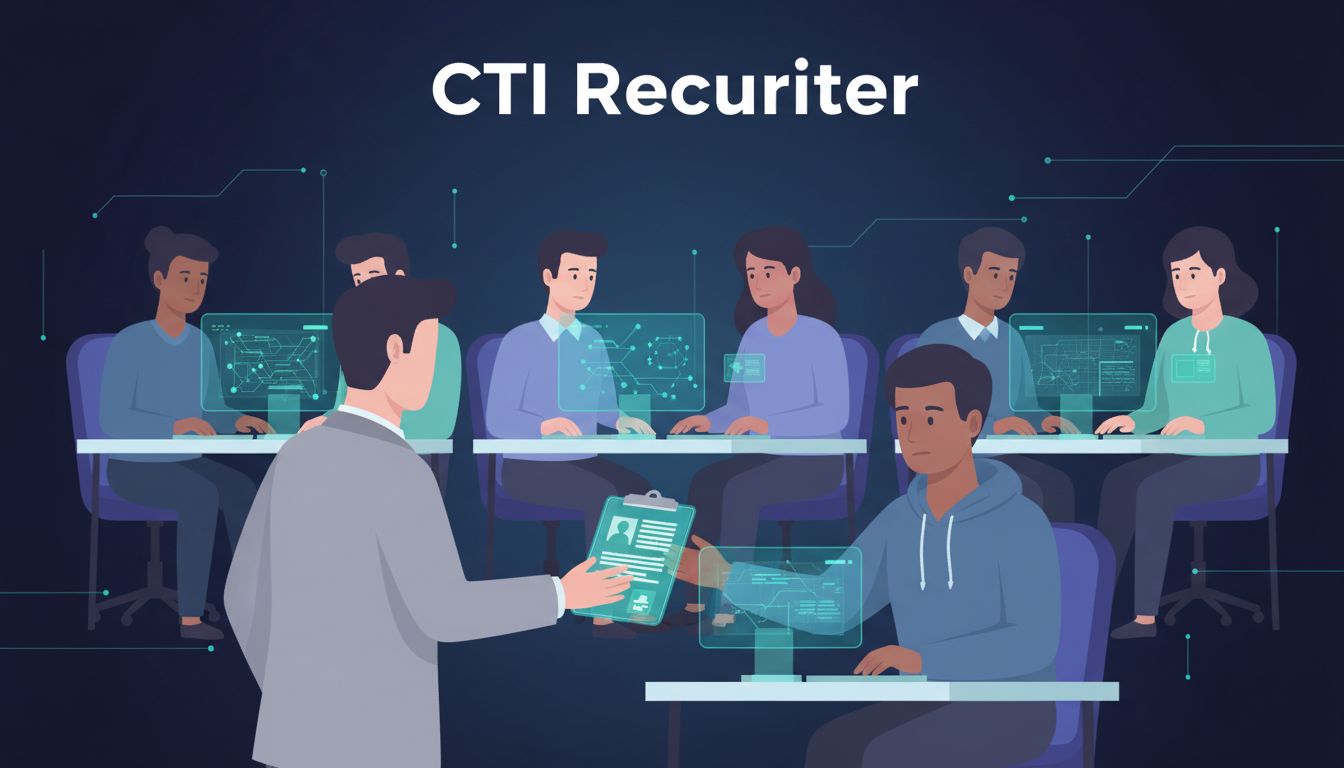
Internal hiring teams struggle with niche roles like CTI analysts. A cyber threat intelligence recruiter knows the field inside out. They source talent that fits your SOC or DFIR needs right away.
Let’s break down why you should hire one now and how to pick the best.
Why You Need a Specialized Cyber Threat Intelligence Recruiter
Talent shortages bite in 2026. About 90% of security teams report gaps, especially in threat intel and incident response. General recruiters post jobs on LinkedIn and wait. They overlook candidates with the right clearances or hands-on threat hunting skills.
A specialized cyber threat intelligence recruiter changes that. They tap hidden networks. For instance, they reach pros from government contractors who handle classified threats daily. These recruiters understand tools like MITRE ATT&CK or SIEM platforms. They vet for real experience, not just resumes.
Consider the costs of delay. Breaches from weak skills affect 27% of teams. Slow hiring stalls projects for 57% of groups. A recruiter speeds things up. They fill senior spots in weeks, not months.

Bud Consulting, for example, focuses on hard-to-fill roles like these. They match your needs with pros who boost your defenses. In short, skip the hassle. Partner with one to build a stronger team.
Check out this cyber directors’ hiring playbook for more on sourcing threat experts.
Key Roles Your Recruiter Can Fill
Demand surges for CTI talent. Roles blend threat analysis with SOC operations and DFIR work. A good recruiter targets these spots first.
Threat intelligence analysts track adversaries. They predict attacks using open-source intel and dark web data. SOC operators triage alerts around the clock. DFIR specialists investigate breaches and recover fast.
Other needs include threat hunters. They proactively find hidden risks. Or CTI leads who brief executives on global trends.
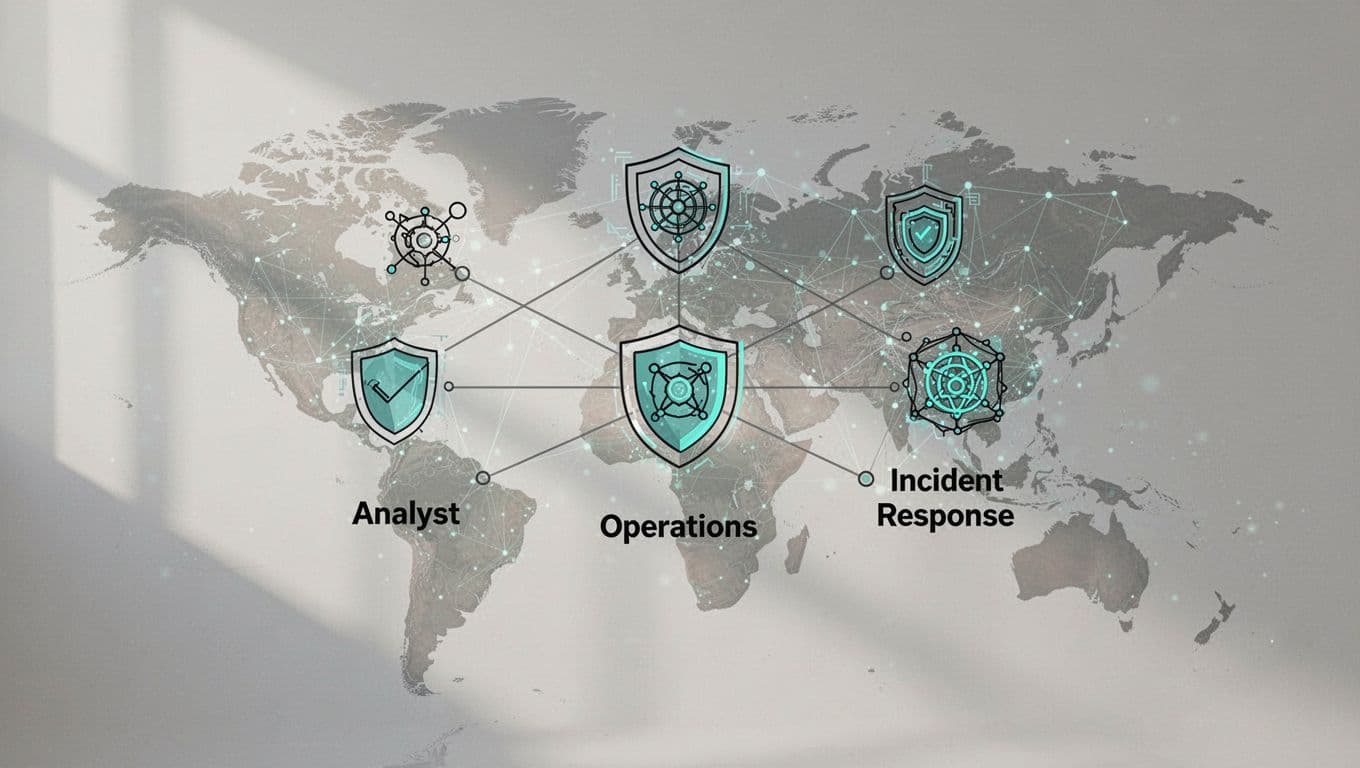
Recruiters know where these pros hide. Many work at MSSPs or defense firms. They also spot rising stars with certs like GCTI or GCFA.
See current cybersecurity talent shortage stats to grasp the scale. Your recruiter fills these gaps before competitors do.
2026 Trends Shaping CTI Hiring
Hiring shifts in 2026. Remote and hybrid setups dominate, but clearances add hurdles. About 65% of leaders find skilled CTI pros tough to snag.
AI threats drive demand. Teams need analysts who secure models and hunt AI-powered attacks. Cloud skills pair with threat intel too. Remote roles fit tech firms, yet defense jobs demand on-site with Secret or Top Secret clearances.
Budget cuts hit 36% of hires, but 61% plan permanent adds. Hybrid wins for SOC shifts. Recruiters handle this. They screen for clearance eligibility early.
For example, a CTI analyst might work remote three days, then onsite for briefings. Your recruiter matches location and lifestyle.
Trends show 4.8 million unfilled cybersecurity jobs. Act now to stay ahead.
How to Choose the Right Cyber Threat Intelligence Recruiter
Pick a recruiter with proven cybersecurity focus. Look for track records in CTI, SOC, and DFIR placements. Ask for case studies. Did they fill cleared roles fast?
Check their network size. Top ones connect with 10,000+ pros. They use tools beyond job boards, like industry forums or conferences.
Evaluate fees and guarantees. Contingency models pay on hire. Retained search suits executives. Ensure they offer trial periods or refunds.

Interview them like candidates. Probe questions: “How do you source cleared CTI talent?” Or “What’s your success rate for hybrid SOC roles?”
This cybersecurity recruitment guide outlines best practices. Firms like Bud Consulting excel here with specialized networks.
Partnering for Quick Wins
Start with a clear job brief. List must-haves like threat modeling experience or Splunk skills. Share your culture and remote policy.
Meet weekly. Review shortlists and feedback. Adjust as needed.
Track metrics. Time-to-hire under 45 days beats averages. Retention over six months shows fit.
Involve your team early. They spot cultural matches.
This approach lands talent amid shortages. Your defenses strengthen fast.
The 4.8 million gap won’t close soon. Skills shortages hit CTI hardest, so hire a cyber threat intelligence recruiter today.
They fill critical roles and cut breach risks. Ready to move? Book a Discovery Call with Bud Consulting to discuss your needs. What roles keep you up at night?