table of contents
Talent shortages hit cybersecurity hard in 2026. Over 4.8 million jobs sit empty worldwide. Companies scramble for skilled pros, but they also scrutinize vendors closely. If you run a staffing firm, your cybersecurity staffing vendor application decides if you fill those gaps.
Buyers demand proof of reliability. They check documents, security measures, and more before approving. A weak application means rejection or delays. This guide breaks down the process. You’ll learn what to prepare and how to shine.
What Goes Into a Cybersecurity Staffing Vendor Application?
The application starts simple. You submit basic info like your firm profile and references. Buyers then dig deeper. They want evidence you can deliver vetted talent fast.
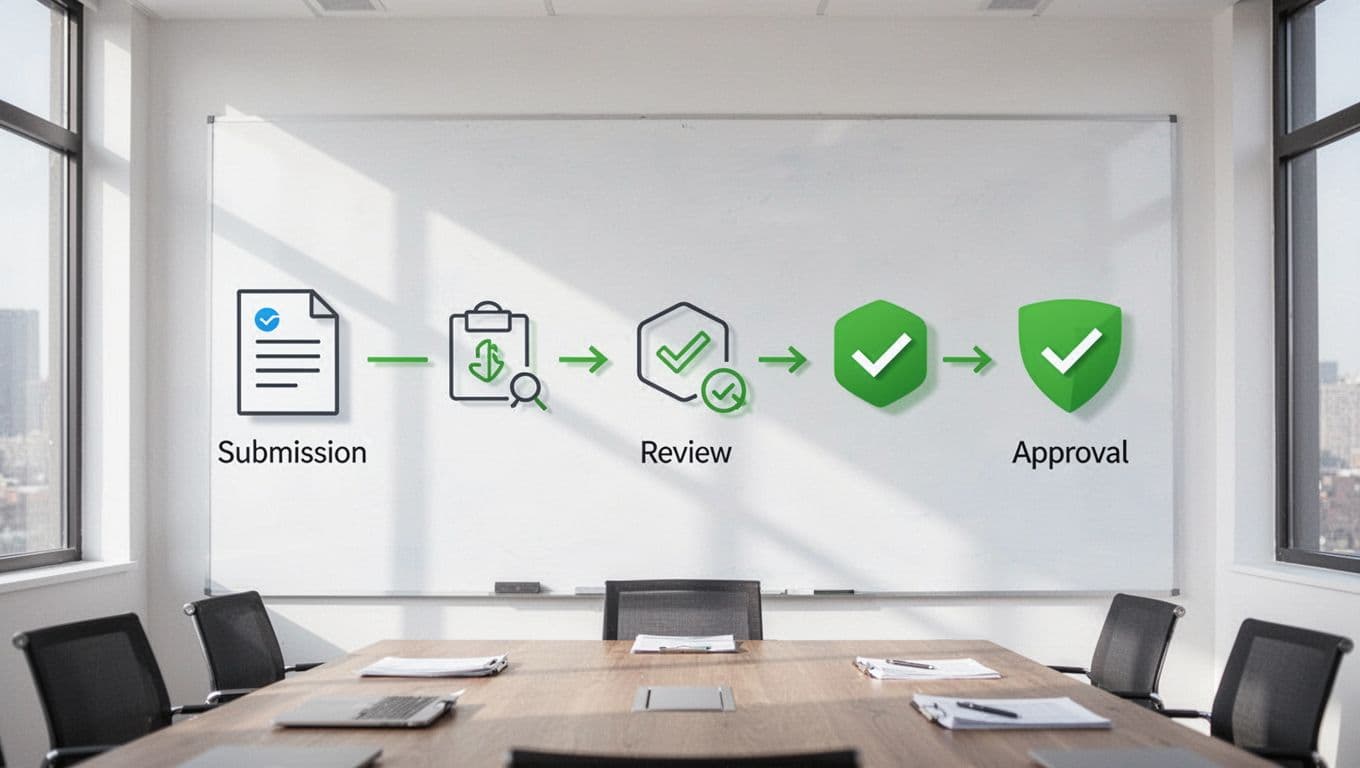
Most processes follow a standard flow. First, a questionnaire covers your experience. Next, they request proofs of compliance. Approval takes weeks, sometimes months, because risks run high. Third-party breaches quadrupled recently, so caution rules.
In 2026, expect focus on cloud skills and remote hires. Demand surges for CISSP holders and incident responders. Firms like KORE1 highlight top agencies based on speed and specialization. Prepare early. Tailor your pitch to their needs, like quick placements under 14 days.
Background checks on your firm come standard. They verify financial stability too. Miss this, and your app stalls.
Key Documents and Certifications You Need
Gather these upfront. Buyers expect a clean packet.
Start with business licenses and tax IDs. Add proof of incorporation. Then list your certifications. Common ones include ISO 27001 for info security management. SOC 2 reports show controls work well.
Talent vetting proofs matter most. Share sample resumes with certs like CEH or CISM. Detail your screening process. For example, do you run skills tests?
Contracts templates help. Include NDAs and MSA drafts. Rate cards outline fees clearly. Vague pricing kills trust.

NIGP offers recommended requirements for vendors. They stress certs tied to roles. In addition, update everything to 2026 standards. Old docs raise red flags.
Insurance, Security Controls, and Background Checks
Security posture defines approval. Start with cyber insurance. Carriers now demand specifics, like coverage for supply chain risks.
Aim for at least $5 million in liability. Proof of active policy goes in your app. Petronella Tech details 2026 cyber insurance asks. They cover pen tests and compliance proofs.
Next, outline controls. Describe encryption, access logs, and audits. Share your NIST framework alignment. Background checks on staff count big. Run criminal, credit, and reference screens on all candidates.
Buyers verify this. They may audit your systems. Weak spots here lead to instant no.

Third-party risk tools help. Use automated platforms for vendor checks. This shows proactive steps.
SLAs, Rate Cards, and Vendor Management Rules
SLAs set expectations. Define response times, like 24-hour candidate subs. Uptime guarantees hit 99.9%. Security Services Authority explains key SLA terms.
Rate cards need transparency. Break down hourly fees by role. Senior architects cost more than analysts. Factor 2026 demand; cloud experts command premiums.
Vendor management adds layers. Expect portals for tracking. Comply with their onboarding. Some require quarterly reviews.
| Requirement | Typical Details |
|---|---|
| SLAs | 99.9% uptime; 48-hour incident response |
| Rate Cards | $150-$300/hour by seniority; volume discounts |
| Management | Weekly reports; performance audits |
This table sums basics. Customize to buyer specs. Clear terms build long-term ties.
2026 Must-Knows: Data Privacy and Third-Party Risks
Privacy rules tighten. GDPR and CCPA evolutions demand skilled handlers. Your app should prove candidate training in these.
Third-party risks dominate. 78% of firms worry about vendor chains. Highlight your risk assessments. Automated tools spot gaps fast.
Talent demand shifts too. Remote pen testers grow 39%. Budgets limit hires, so emphasize value.
Tips to Stand Out and Speed Up Approval
Polish your app. Use checklists first. Respond fast to requests.
Differentiate with data. Share placement stats, like 92% retention. Offer trial periods.
Streamline submissions. Pre-fill common fields. Follow up politely.
Precursor Security covers vetting steps. Adopt them. Network at events. Build buyer rapport early.
Test your package. Get peer reviews. Fix gaps before sending.
A strong app lands contracts amid shortages. Firms win repeat business this way. Ready to boost yours? Book a Discovery Call with Bud Consulting for tailored advice.
Prep now. Talent gaps won’t wait. Your next big placement starts here.